The short version
- The Supreme Court ruled against an executive order that sought to restrict mail-in ballot delivery based on federal eligibility lists, preserving state authority over election administration.
- President Trump responded with intense criticism of the justices who voted against him, accusing them of failing to uphold his vision and questioning their loyalty to his agenda.
- State officials and postal workers warned that implementing the restrictions so close to the midterm elections would have caused widespread chaos and disenfranchisement for millions of voters.
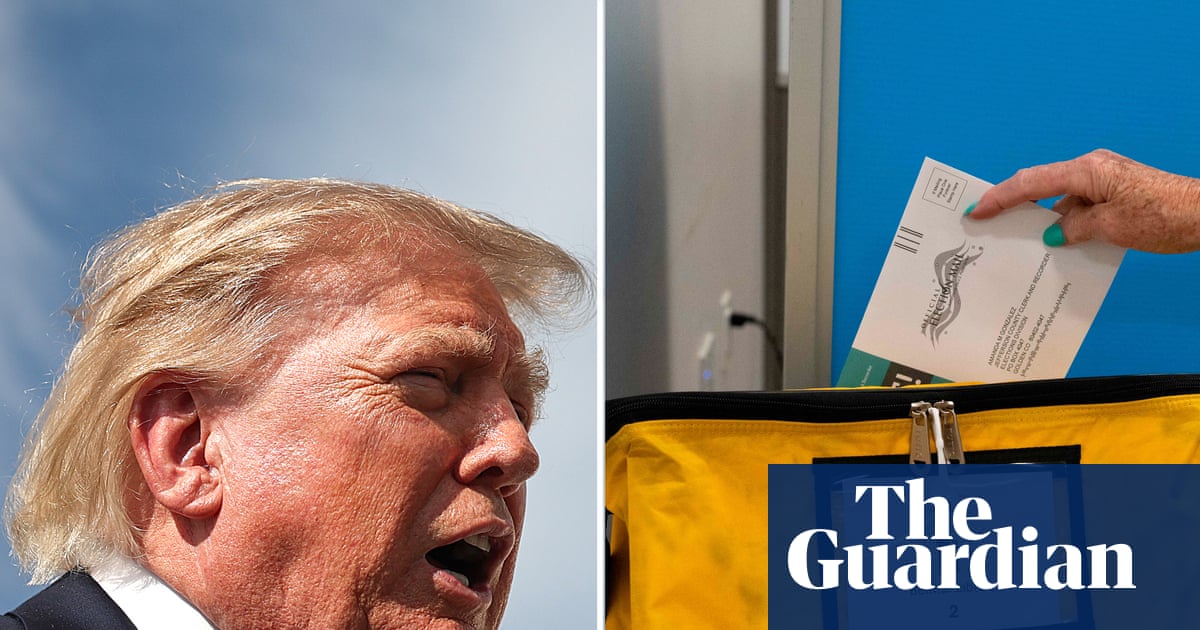
The Supreme Court intervened this week to halt a presidential initiative that threatened to disrupt mail-in voting across the United States just months before the midterm elections. The high court rejected an executive order issued in March by Donald Trump, which had sought to empower federal agencies to identify and block the delivery of ballots for individuals deemed ineligible to vote. This decision restored a degree of stability to the electoral process, preventing what legal scholars and election administrators described as an unconstitutional overreach by the federal government into state-controlled domains.
The executive order in question directed the Department of Homeland Security, in coordination with the Social Security Administration, to compile lists of noncitizen or otherwise ineligible voters. The United States Postal Service was then instructed to withhold mail-in ballots for anyone appearing on these lists. Legal experts immediately challenged the legality of this approach, noting that the Constitution reserves the power to set election rules for individual states rather than the federal executive branch. One analyst characterized the order as wholly unconstitutional, emphasizing that such a fundamental shift in electoral administration could not be accomplished through unilateral presidential decree.
Beyond the constitutional questions, the plan faced severe logistical hurdles that made implementation nearly impossible. A whistleblower revealed to Congress that the Postal Service lacked the technical capacity and operational readiness to execute such a system safely. Senator Richard Blumenthal, who handled the complaint, described the initiative as perilously rushed and potentially unlawful. State election officials echoed these concerns, warning that they had no feasible way to integrate federal restrictions into their existing workflows so close to Election Day. In states like Alabama, North Carolina, and Wisconsin, ballots had already begun circulating before the court’s ruling, meaning any enforcement of the order would have triggered immediate confusion and disenfranchisement.
President Trump reacted with visible anger to the court’s decision, launching a tirade on his social media platform Truth Social. He characterized mail-in ballots as corrupt and out of control, directing his frustration specifically at the conservative justices who voted against his plan. Only Samuel Alito and Clarence Thomas dissented from the majority opinion; Amy Coney Barrett and Neil Gorsuch, both appointed by Trump, joined the ruling that blocked the executive order. Trump accused these justices of being mere shells of their original selves, suggesting they had abandoned the principles he believed defined his judicial appointments. His rhetoric underscored a broader pattern of challenging institutional norms and asserting personal authority over legal constraints.
This episode highlights a growing tension between the presidency and established democratic institutions. Trump has previously tested legal boundaries by appointing his former personal lawyer to lead the Department of Justice while continuing to treat him as a private attorney. Recent events have further blurred these lines, with Attorney General Todd Blanche stepping in to serve as White House press secretary during a media briefing. The following day, Blanche was seen cheering at a campaign rally for a Republican Senate candidate in North Carolina, signaling a deepening alignment between the justice department and the president’s political interests.
The stakes for the upcoming midterms are significant, particularly given the demographic realities of mail-in voting. Research from the Brookings Institution indicates that fraud in mail voting is exceedingly rare, with an average rate of just 0.000043% across recent elections. Despite this evidence, Trump has maintained a persistent focus on mail-in ballots since 2020, when late-counted votes narrowed his lead in key states. Since then, he has voted by mail at least three times himself. Because Democratic voters tend to use mail-in ballots at higher rates than Republicans, restrictions on this method would disproportionately benefit the GOP, altering the competitive landscape of the elections.
State election officials are now working to reassure voters that their ballots will be processed safely and accurately. They aim to mitigate the uncertainty created by the administration’s aggressive posturing and ensure that millions of Americans can participate without fear of disenfranchisement. However, the president’s refusal to accept the court’s ruling as final suggests that further challenges may arise. His insistence on treating himself as above the law poses a continued threat to the integrity of the electoral process, raising concerns among observers about the resilience of democratic norms in the face of executive pressure.
The political fallout extends beyond the immediate legal battle. In Florida, Representative María Elvira Salazar, a Republican who won her district by 15 points in 2024, is distancing herself from Trump’s immigration enforcement tactics. In a new advertisement, she criticized the administration for detaining individuals without criminal records, warning that advisers are pushing policies that have gone too far. Her willingness to challenge the president reflects broader anxieties within the party about the direction of the administration and its impact on electoral prospects. As the midterms approach, these internal divisions may shape the outcome as much as external legal battles.
The Supreme Court’s decision provides a temporary reprieve for mail-in voters, but it does not resolve the underlying conflict between the presidency and institutional checks. Trump’s response to the ruling reveals a determination to continue testing the limits of executive power, regardless of constitutional constraints. With the election rapidly approaching, the focus now shifts to how state officials can maintain order amidst ongoing political pressure. The coming weeks will likely see further attempts to influence the electoral process, making vigilance and adherence to legal standards more critical than ever.
As the nation moves toward the midterms, the integrity of the voting system remains under scrutiny. The combination of legal challenges, logistical concerns, and political rhetoric has created an environment of uncertainty for voters. While the court has blocked the most immediate threat, the broader implications of Trump’s actions continue to resonate. The ability of democratic institutions to withstand such pressure will be a defining feature of this election cycle, with long-term consequences for American governance.
Sources behind this briefing
Go to the original reporting
- The Guardian World↗What Trump’s attacks on mail-in voting mean for the midterms

