The short version
- The Supreme Court allowed New Hampshire to ban student IDs as valid voter identification for the upcoming midterm elections.
- Justices relied on a legal principle prohibiting last-minute changes to election rules, despite a lower court ruling that blocked the state's guidance.
- Justice Ketanji Brown Jackson dissented, arguing the state's directive risked misleading voters and election workers during a critical period.
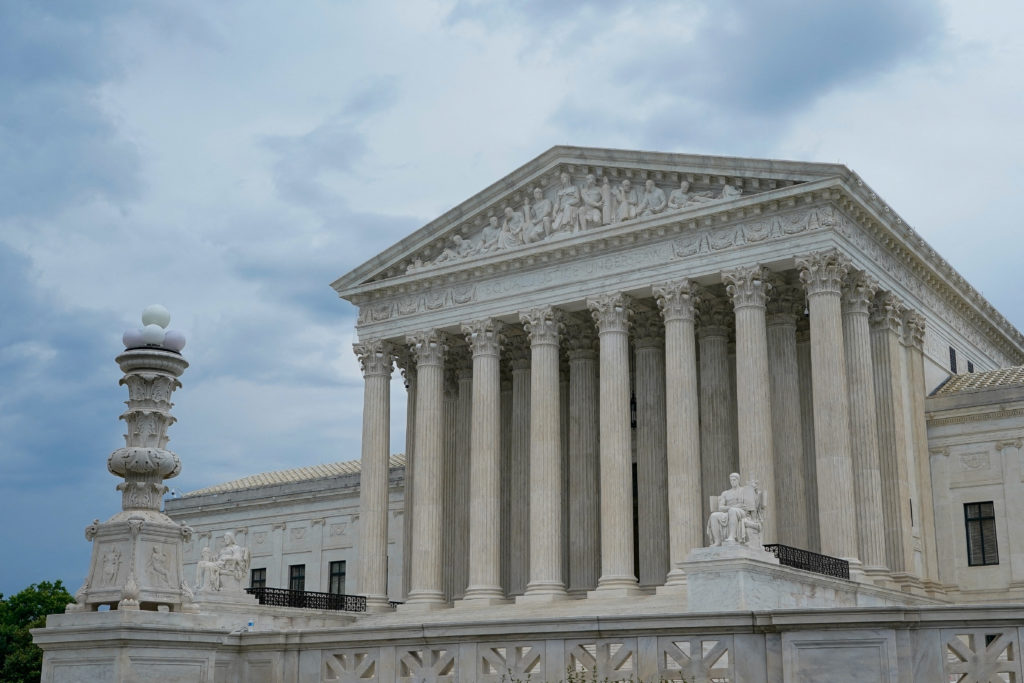
The Supreme Court has permitted New Hampshire to enforce a ban on student identification cards for voting in the upcoming midterm elections. The high court’s decision, issued Thursday, clears the path for state officials to reject these cards even as a backup form of identification. This ruling arrives less than two weeks before voters cast ballots in a tightly contested U.S. Senate race, marking a significant shift in access requirements for residents who rely on university-issued credentials.
The legal conflict originated from legislation passed earlier this year that removed student IDs from the list of expressly accepted forms of identification. Following the law’s passage, the state secretary of state issued guidance prohibiting these cards as a secondary method to prove identity at polling places. A federal judge initially blocked this guidance in early October, ruling that it should not stand. However, the Republican National Committee supported an emergency appeal from state officials, prompting the Supreme Court to intervene.
In an unsigned order, the justices sided with the state’s position. They cited a longstanding legal principle that lower federal courts should avoid altering election rules too close to Election Day. This procedural stance prioritized stability in the electoral process over the lower court’s concerns regarding the specific guidance issued by the secretary of state. The decision effectively reinstates the stricter identification requirements for the November vote.
Justice Ketanji Brown Jackson was the only justice to publicly dissent from the majority’s action. She argued that the lower court judge did not err in blocking the directive. According to Jackson, the state’s guidance had the potential to mislead both voters and local election workers during a critical time. Her dissent highlighted concerns about clarity and consistency in how identification rules are communicated and enforced on the ground.
Supporters of the new restrictions frame the measure as a necessary step to maintain public confidence in elections. State Representative Donald McFarlane, who sponsored the bill eliminating student IDs, described the Supreme Court’s decision as a victory for common sense. He argued that the legislation strengthens voter identity verification by applying a consistent standard. McFarlane noted that colleges do not subject their ID issuance processes to the same controls as government agencies.
Opponents of the ban argue that it disproportionately affects specific demographic groups. Voting rights advocates contend that the directive threatens to disenfranchise young voters who may not possess driver’s licenses or passports. They also raise concerns about low-income individuals who might face financial barriers to obtaining government-issued identification. Additionally, rural residents may struggle to access locations where official documents can be processed.
The dispute underscores a broader national debate regarding voter identification requirements. Top Republicans have long argued that strict ID laws are essential to prevent voter fraud. Despite limited evidence that such fraud significantly impacts election outcomes, this narrative has driven legislative efforts in multiple states. New Hampshire’s case reflects this ongoing tension between security measures and accessibility concerns.
New Hampshire has required voters to present identification since 2012. The recent changes tighten these existing rules by narrowing the scope of acceptable documents. Governor Kelly Ayotte signed the legislation earlier this year, aligning the state with other jurisdictions that have adopted similar restrictions. The move places New Hampshire among states mirroring proposals advanced by Donald Trump and other conservative leaders regarding midterm election procedures.
As Election Day approaches, the practical implications of the ruling will be felt at polling stations across the state. Voters who previously relied on student IDs must now secure alternative forms of identification. Election officials are tasked with implementing the new standards while managing potential confusion among the electorate. The outcome of the Senate race may hinge on how effectively these logistical challenges are navigated in the final days before voting concludes.
The Supreme Court’s intervention does not resolve the underlying policy debate over voter ID requirements. Instead, it defers to state authorities on procedural grounds. Future litigation may address the substantive merits of banning student IDs, but for now, the immediate focus remains on ensuring compliance with the current rules. The decision sets a precedent for how courts handle last-minute challenges to election administration in closely watched contests.
Sources behind this briefing
Go to the original reporting
- PBS NewsHour↗Supreme Court allows New Hampshire to fully ban student IDs for voting in midterms
- The Guardian US Politics↗US supreme court sides with Republicans on rejecting student IDs in New Hampshire midterms