The short version
- The Integrated Food Security Phase Classification reports deteriorating conditions in Sudan's Darfur and Kordofan regions, with some areas facing famine-level risks.
- Severe drought linked to El Niño has damaged crops across more than half the country, compounding the displacement and death toll from the ongoing civil war.
- Violence continues to spill over borders, including a deadly airstrike on miners in North Wadi attributed by rights groups to Egyptian aircraft.
A global monitoring body has issued a stark warning regarding the humanitarian situation in Sudan, noting that food insecurity is deteriorating rapidly across key regions. The Integrated Food Security Phase Classification, known as IPC, identified areas in greater Darfur and Kordofan as being at risk of famine. This assessment highlights a convergence of factors driving the crisis, including active conflict, severe drought conditions, and critical shortages in humanitarian funding. The report underscores that without immediate and substantial intervention, the situation is poised to worsen significantly.
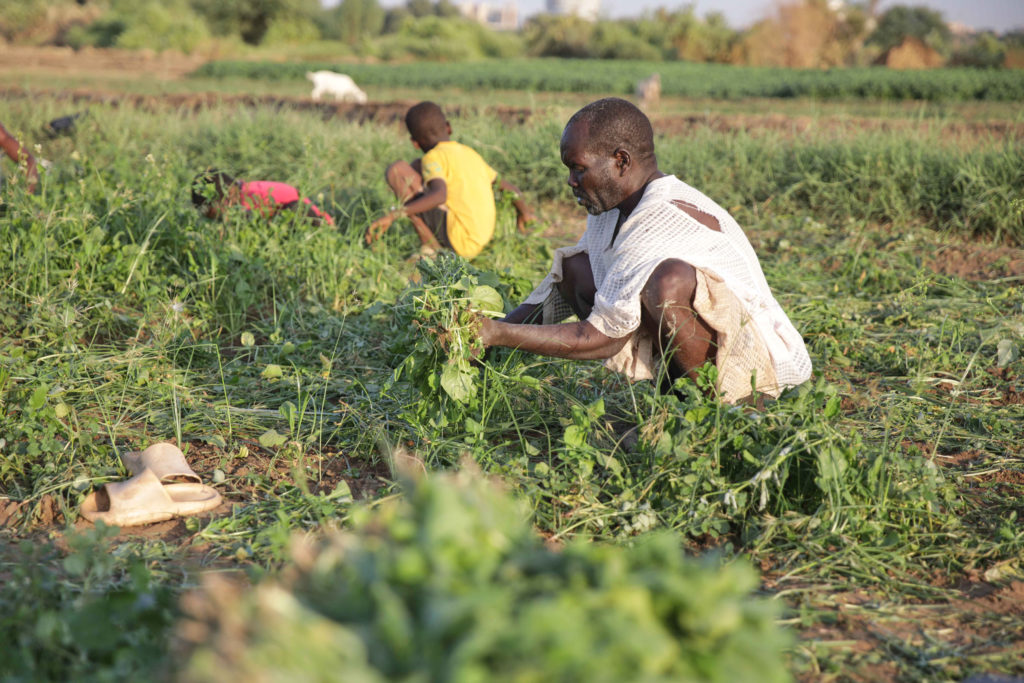
The drought affecting Sudan is linked to El Niño weather patterns and has impacted more than half of the nation's territory. This climatic event has led to localized crop failures, stripping households of both food supplies and income sources. In North Darfur, poor growth rates have affected 64 percent of croplands, while roughly half of the agricultural land in South Darfur, West Kordofan, and South Kordofan has seen similar declines. Delayed rains in North Darfur have further hampered cultivation efforts, leaving food stocks at critically low levels.
Western Kordofan is currently experiencing one of its most severe droughts since 2004, according to rainfall data cited by the IPC. These environmental stresses are exacerbating the vulnerability of populations already displaced by war. Farmers who previously relied on their livelihoods are now increasingly dependent on external assistance. The combination of agricultural collapse and conflict has created a feedback loop where economic instability deepens food insecurity, making recovery difficult even if fighting were to cease temporarily.
The broader context of this crisis is rooted in the civil war that erupted in April 2023. Tensions between the military and the paramilitary Rapid Support Forces escalated into open combat in Khartoum before spreading nationwide. Conflict monitor ACLED estimates that at least 150,000 people have died, though aid organizations suggest the actual death toll is likely higher. The war has displaced approximately 13 million people, disrupting social structures and supply chains across the country.
In May, an IPC assessment found that nearly 19.5 million people, representing more than 40 percent of Sudan's population, were facing high levels of acute food insecurity. Among these individuals, 135,000 were classified in Phase 5, the most severe category. This phase is characterized by extreme food shortages, starvation, very high rates of malnutrition, and deaths resulting from disease or acute nutritional deficiencies. These figures illustrate the scale of suffering within a population already strained by years of instability.
Malnutrition rates are rising sharply in specific locations. In Nyala, the proportion of children admitted for severe acute malnutrition doubled from approximately 5 percent to 11 percent between January and August. Two displacement camps in South Darfur recorded global acute malnutrition rates that exceeded famine thresholds. These statistics indicate that the crisis is not only widespread but also intensifying in severity, particularly among the most vulnerable demographic groups who lack access to adequate healthcare and nutrition services.
Violence continues to extend beyond internal conflict, affecting cross-border dynamics. A recent airstrike killed at least 72 civilian miners in a border area between Sudan and Egypt where artisanal gold mining is common. The local rights group Emergency Lawyers stated that Egyptian warplanes targeted the miners in Sudan's North Wadi area, though they did not provide evidence to support this claim. The Egyptian Armed Forces released a statement describing the action as part of a campaign against illegal mining, noting that warning leaflets had been dropped on citizens.
Egyptian security forces have previously detained hundreds of people, including foreigners, near the Sudanese border on charges of illegal gold mining and smuggling. In a separate incident, the Egyptian Foreign Ministry reported the deaths of two Egyptian truck drivers in Khartoum after a gunman opened fire. Authorities stated that the shooter was apprehended. These events highlight the complex security environment surrounding Sudan, where internal war intersects with regional tensions and cross-border criminal activities.
Humanitarian organizations emphasize that ending the conflict and ensuring safe, sustained access for aid workers are essential steps toward improving conditions. Despite repeated diplomatic efforts, peace remains elusive. The IPC warns that without a quick and significant increase in assistance, food insecurity, acute malnutrition, and excess mortality will likely intensify. The current trajectory suggests that the humanitarian emergency is deepening rather than stabilizing, posing long-term challenges for recovery and stability in the region.
The convergence of environmental disaster and armed conflict has created a scenario where traditional relief measures are insufficient. Funding shortages limit the ability of aid groups to respond effectively to the scale of need. As drought conditions persist and fighting continues, the window for preventing further loss of life narrows. The international community faces pressure to address both the immediate humanitarian needs and the underlying political drivers of the crisis to prevent a deeper catastrophe.
Sources behind this briefing
Go to the original reporting
- PBS NewsHour↗Sudan's famine risk worsened by conflict, drought and funding shortages, report says