The short version
- Research suggests the current system for identifying and managing hypertension in England is inadequate, with significant numbers of cases going unnoticed.
- Among patients already under general practitioner care, only half have their blood pressure levels within target ranges despite medication.
- Experts attribute the stagnation in progress since 2011 to a combination of clinical complexities, social factors, and potential lingering effects from pandemic-era healthcare disruptions.
A comprehensive analysis conducted by researchers at Oxford University has highlighted significant deficiencies in how high blood pressure is managed across England. The study, which examined data from 1.4 million adults enrolled in the Our Future Health programme between 2022 and 2025, suggests that the existing framework for detecting and treating hypertension is no longer effective. Published in BMJ Public Health, the findings indicate a systemic failure to address what medical professionals describe as a silent killer, leaving millions of individuals unaware of their condition and at elevated risk for severe cardiovascular events.
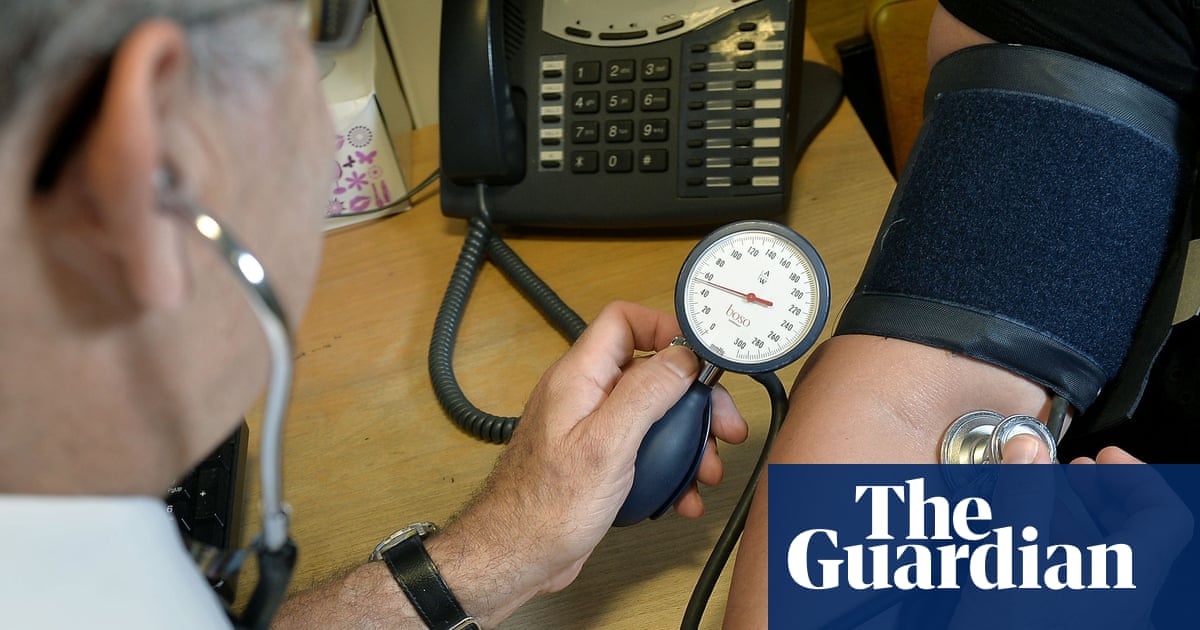
The data reveals that approximately 37 percent of adults in England suffer from high blood pressure, defined as readings of 140/90 mmHg or higher. Of those affected, 59 percent remain undiagnosed. This lack of awareness means that a substantial portion of the population is not receiving necessary interventions to mitigate risks associated with stroke, heart attack, and premature mortality. The sheer volume of undetected cases represents what the researchers identified as the most striking aspect of their findings, underscoring a critical gap in public health surveillance.
Even among individuals who have been diagnosed and are actively receiving medication from their general practitioners, outcomes remain concerning. The study found that only 50 percent of these patients had their blood pressure under control. This statistic suggests that diagnosis alone is insufficient; the subsequent management of the condition faces substantial hurdles. For half of the treated population, current therapeutic strategies are failing to bring readings down to safe levels, indicating a need for more robust treatment protocols or better adherence support.
Demographic analysis within the study showed distinct patterns in hypertension prevalence. The condition was nearly 50 percent more common in men than in women, with 42 percent of men affected compared to 29 percent of women across all age groups. Additionally, the research confirmed that hypertension becomes more prevalent with age. These disparities highlight the importance of targeted screening efforts, particularly for older adults and male populations, who appear to bear a disproportionate burden of the disease.
The trajectory of hypertension management in England has shifted over the past two decades. While the 2000s saw substantial improvements in both detection rates and control levels, progress appears to have stalled around 2011. Researchers noted indications that trends may have worsened following the COVID-19 pandemic. Disruptions to routine healthcare delivery during this period may have had lasting negative effects on patient monitoring and treatment continuity, potentially reversing earlier gains in cardiovascular health management.
Dr. Iain Turnbull, a general practitioner and deputy chief medical officer at Our Future Health, emphasized that the reasons for uncontrolled hypertension among treated patients are multifaceted. He noted that blood pressure varies significantly between individuals, often requiring adjustments in dosage or combinations of multiple medications to achieve stability. Other health conditions and concurrent medications can also interfere with blood pressure regulation, complicating treatment plans.
Beyond clinical factors, social and practical barriers play a significant role in treatment efficacy. Side effects from medication, complex dosing schedules, and competing life pressures can hinder consistent adherence. Lifestyle factors such as weight, diet, salt intake, alcohol consumption, and physical activity levels further influence blood pressure readings. Turnbull cautioned against viewing high readings solely as a reflection of individual or professional failure, pointing out that the interplay of these variables makes management inherently difficult.
The researchers acknowledged certain limitations in their methodology. They did not have access to prescribing records to independently verify medication use, relying instead on patient self-reporting. Furthermore, a single blood pressure measurement may not accurately reflect an individual’s usual baseline. Despite these caveats, the finding that half of treated patients remain uncontrolled is considered unsatisfactory by medical experts. Persistently elevated blood pressure continues to pose a serious threat, and improving control rates remains a priority for reducing preventable cardiovascular disease.
Prof. Bryan Williams of the British Heart Foundation described the study’s findings as concerning, particularly regarding the scale of undetected cases and the challenges in maintaining control among those already in care. He argued that better detection and treatment strategies could help tens of thousands of people avoid preventable heart attacks and strokes. Achieving this will require a fundamental rethinking of how at-risk individuals are identified, treated, and supported to ensure that blood pressure checks and effective therapies benefit the entire population.
Wenyu Liu, the study’s lead author, stressed the need for population-wide prevention strategies alongside targeted treatments for those at high cardiovascular risk. The current approach, characterized by low detection rates and poor control among diagnosed patients, is deemed unfit for purpose. Addressing these issues will likely require systemic changes in healthcare delivery, greater emphasis on preventive care, and improved support mechanisms to help patients manage their condition effectively in the long term.
Sources behind this briefing
Go to the original reporting
- The Guardian World↗Millions in England unaware they have ‘silent killer’ condition, research reveals