The short version
- Researchers identified 485 chemicals in US pesticide formulations linked to breast cancer, including many unregulated inert ingredients.
- Current EPA regulations assess individual chemical risks rather than cumulative exposure or the safety of inactive components used in products.
- Advocates call for stricter oversight and expanded warning labels as early-onset breast cancer rates continue to rise among younger women.
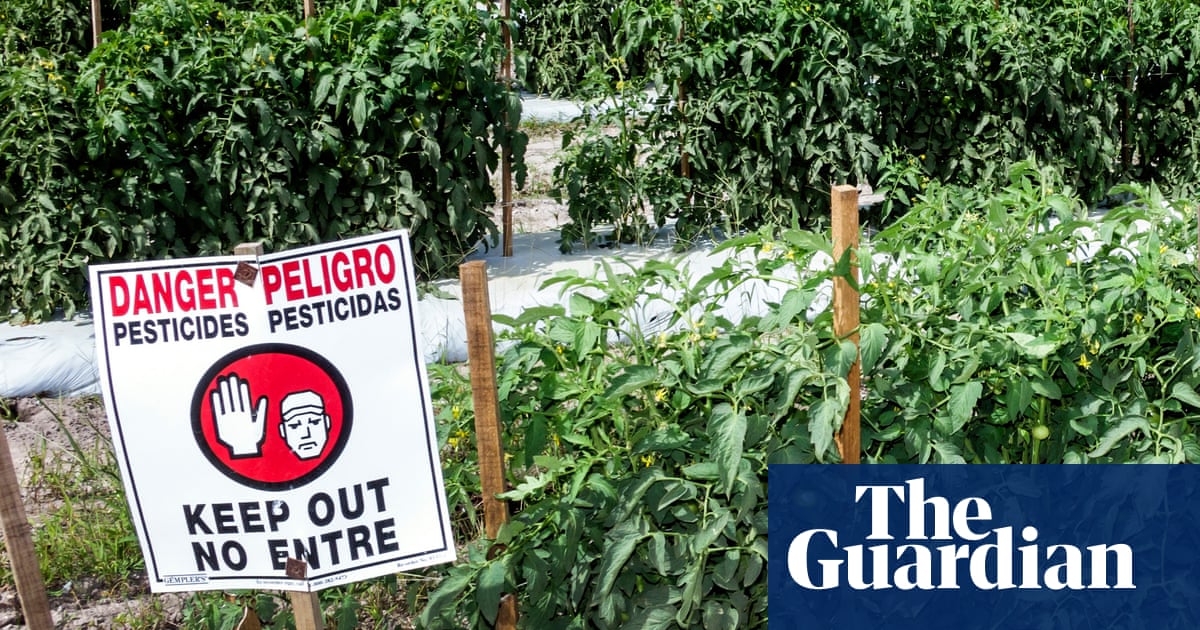
A peer-reviewed study published in Environmental Health Perspectives has identified at least 485 chemicals found in United States pesticide products that are linked to breast cancer. The research, conducted by the Silent Spring Institute, underscores significant concerns regarding the safety of food supplies and consumer goods amid a global surge in early-onset breast cancer cases. The findings suggest that current regulatory frameworks may fail to protect public health adequately by overlooking the cumulative impact of chemical exposures.
The analysis covers both active pesticide ingredients and hundreds of so-called inert substances. While active ingredients are designed to kill pests, inert components are typically added as surfactants or penetrating agents to help disperse the active chemicals or enhance their absorption. Despite the name, these inactive ingredients are not biologically harmless; they can increase toxicity and pose health risks similar to active compounds. The study found that only about 145 of the identified chemicals were registered with the Environmental Protection Agency as active ingredients, indicating that many potentially harmful substances evade thorough safety reviews.
Regulatory oversight in the United States currently focuses on the individual health risks of each pesticide ingredient rather than evaluating entire formulations or combined exposure to multiple pesticides. This approach creates a blind spot for inert ingredients, which number approximately 4,000 approved substances under EPA guidelines. Critics argue that the chemical industry exploits this loophole to avoid scrutiny, as these inactive components often do not undergo rigorous testing. The EPA rejected a legal petition in 2023 to implement more stringent reviews of these inert ingredients, maintaining the status quo.
The implications of these findings are particularly concerning given the rising incidence of breast cancer in the United States. According to the American Cancer Society, overall breast cancer rates have increased by 1 percent annually, with a slightly faster rise of 1.4 percent among women under the age of 50. Federal health data from the National Health and Nutrition Examination Survey indicates that 84 of the specific chemicals identified in the study are present in the general population. However, scientists note this figure is likely an undercount because the survey does not track most of the compounds highlighted by the Silent Spring Institute.
The research is part of a broader systematic effort to map where people encounter breast cancer-linked chemicals in everyday life. Beyond pesticides, the institute identified approximately 500 such chemicals in common consumer goods and 462 in drinking water sources. The study highlights that exposure occurs not only through agricultural crops but also via lice treatments applied to children, home lawn fertilizers, and flea and tick products for pets. This widespread presence suggests that avoiding these chemicals entirely is difficult for many consumers.
Concerns about regulatory capture have been raised by public health advocates who point to the influence of industry lobbyists within the EPA. Top officials in the agency’s pesticide and chemical safety offices are former industry representatives, leading to perceptions that the agency is heavily influenced by corporate interests. Jenny Kay, a co-author of the report, expressed worry about the revolving door between EPA employees and industry professionals, suggesting this dynamic factors into how chemicals are evaluated and regulated.
Another scientific challenge identified in the report involves hormone-disrupting chemicals that cause disease at lower levels of exposure but not higher ones. This phenomenon, known as a non-monotonic dose response, has led the EPA to dismiss risks associated with certain chemicals, ignoring evidence that they can cause cancer even at low concentrations. The study argues that this regulatory stance fails to account for the complex ways in which endocrine disruptors affect human biology.
In response to these findings, the Silent Spring Institute is calling for an expansion of California’s Proposition 65, which mandates warnings for chemicals known to cause cancer or reproductive harm. The study identified 16 pesticides not currently listed under the proposition, and authors suggest that adding them could discourage companies from using these substances. For individuals seeking to reduce exposure, experts recommend buying organic produce or consulting guides on pesticide residues. Water filtration systems using activated carbon or reverse osmosis can also help remove certain contaminants, though no system is perfect.
The report serves as a stark reminder of the gaps in current environmental health protections. As early-onset breast cancer rates continue to climb, the identification of nearly 500 linked chemicals in pesticide products raises urgent questions about the safety of everyday items. Without significant changes to how inert ingredients are reviewed and how cumulative exposures are assessed, public health advocates warn that consumers will remain vulnerable to hidden risks in their food, water, and household products.
Sources behind this briefing
Go to the original reporting
- The Guardian US↗New research finds 485 chemicals in US pesticide products linked to breast cancer

