The short version
- Spotify has eliminated approximately fifty million songs from its recommendation algorithms over the last year, categorizing them as low-quality artificial intelligence output.
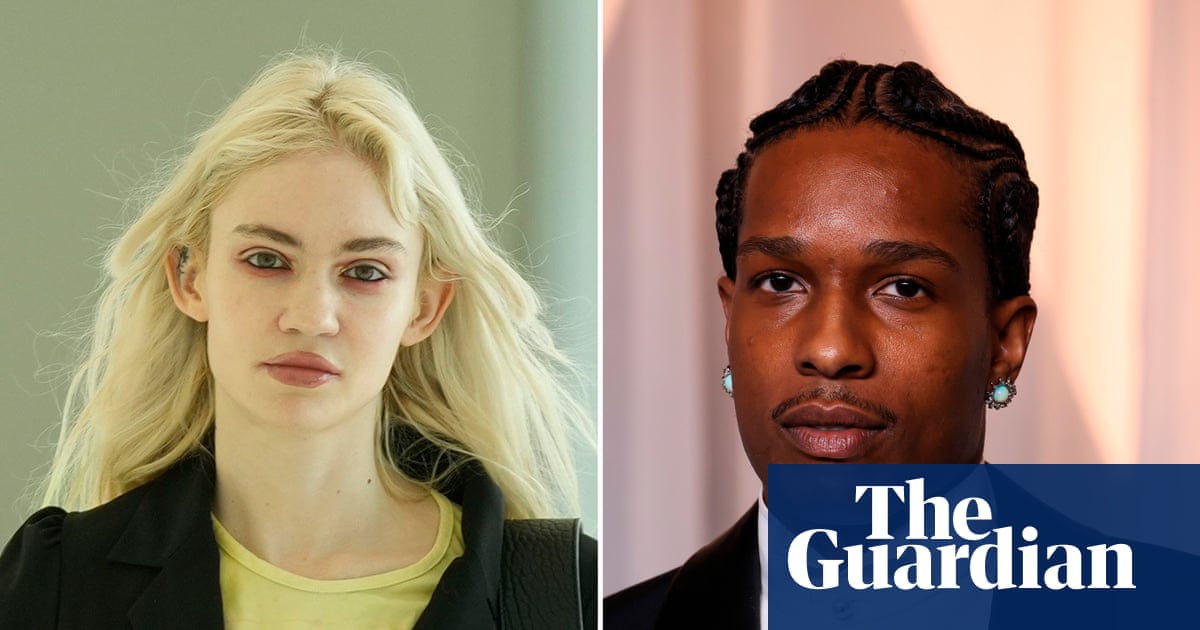
- Prominent artists including Grimes and A$AP Rocky have publicly stated they will not produce music using generative tools, despite acknowledging the technology's existence in the broader industry.
- Consumer listening habits currently favor analog instrumentation and traditional vocal performances, with chart data showing a decline in popularity for heavily modified or synthetic tracks.
The music industry is experiencing a significant recalibration regarding artificial intelligence, as major streaming platforms and influential artists establish firm boundaries around synthetic content. Spotify announced on Tuesday that it had removed roughly fifty million songs from its recommendation systems over the past twelve months. The company characterized these tracks as low-quality output or spam, stating that its editorial teams maintain standards that exclude such material from user suggestions. This move signals a shift in how digital distributors manage the influx of machine-generated audio, prioritizing curation quality over sheer volume.
While Spotify has taken steps to filter out what it considers inferior content, the platform maintains a complex relationship with generative technology. The service continues to allow users to create playlists using AI tools and has promised future features for generating remixes and cover songs. However, it now requires artist profiles that do not represent real human beings to display specific badges identifying them as artificial personas. Individual songs generated by machines are not required to carry similar labels, creating a distinction between the identity of the creator and the nature of the audio file itself.
Other streaming services have adopted even stricter approaches to this emerging landscape. The varying policies across platforms reflect an industry-wide struggle to define acceptable uses of automation in music production. As these companies adjust their algorithms and guidelines, they are responding to both internal quality control measures and external pressure from listeners who are increasingly skeptical of synthetic artistry. The removal of millions of tracks suggests that the initial wave of unregulated AI music generation has reached a point where platforms feel compelled to intervene.
Prominent musicians who were once viewed as early adopters of artificial intelligence are now clarifying their own limits. Grimes, known for her interest in futuristic technology and her association with Elon Musk, has declared that she will not produce music using generative tools. Similarly, rapper A$AP Rocky has stated a preference for practical, hands-on creation methods. Both artists acknowledge the existence of AI-generated music but draw a clear line at participating in its production themselves. This stance indicates a growing consensus among creators that while the technology may have a place in the industry, it should not replace human artistic effort.
Grimes recently promoted her album Psy Opera, describing it as capturing the emotional experience of entering the future. Critics and the artist herself have emphasized that the work was inspired by artificial intelligence concepts but not generated by machines. She insisted that her team of seventy collaborators receive proper credit, rejecting the notion that their contributions could be reduced to algorithmic outputs. This distinction highlights a desire among artists to maintain agency and recognition for human labor, even when engaging with themes related to technological advancement.
A$AP Rocky expressed a similar sentiment in an interview, noting that while he does not judge others who choose to use prompts to create songs, he prefers to make music in a practical manner. He emphasized his commitment to doing things the right way for himself, suggesting that personal integrity and artistic process are paramount. These comments from high-profile figures provide insight into how musicians are navigating the tension between innovation and tradition. They are not necessarily opposing technology outright but are resisting its use as a substitute for creative skill.
Listener behavior is also reflecting a rejection of synthetic content. Data from Billboard charts shows a strong preference for music featuring analog instrumentation and traditional vocal performances. Albums and singles that highlight simple voice-and-guitar arrangements or foreground singers over complex production are dominating the rankings. Artists such as Olivia Rodrigo, Taylor Swift, Noah Kahan, and Morgan Wallen have seen their works rise in popularity, suggesting that audiences are seeking authenticity and emotional connection in their music consumption.
The resurgence of interest in older recordings further underscores this trend. The Beatles’ 1965 album Rubber Soul recently appeared on the Billboard rankings, indicating that some listeners are looking back to eras when artificial intelligence was not a factor in music production. This nostalgia for analog sounds and human-centric creation methods contrasts sharply with the initial hype surrounding generative AI. As fans vote with their streams, the industry is being forced to reconsider the role of automation in shaping cultural output.
The current landscape suggests that while artificial intelligence will remain a part of the music ecosystem, its application is becoming more constrained. Streaming services are filtering out low-quality content, artists are setting personal boundaries, and consumers are favoring traditional methods. This convergence of factors points toward a future where AI serves as a tool rather than a replacement for human creativity. The industry is still evolving, but the initial enthusiasm for unrestricted generative music appears to be giving way to more nuanced and regulated approaches.
What comes next remains uncertain, as technology continues to advance and consumer preferences shift. However, the current trend indicates a demand for transparency and quality in digital music distribution. As platforms refine their algorithms and artists clarify their stances, the music industry is likely to see a continued emphasis on human artistry. The challenge will be balancing innovation with the preservation of creative integrity, ensuring that technology enhances rather than diminishes the musical experience.
Sources behind this briefing
Go to the original reporting
- The Guardian US↗As fans reject AI-generated music, even boosters are drawing the line