The short version
- The Environment Agency issued forty flood alerts across multiple regions as intense storms followed a prolonged period of drought.
- Residents in Birmingham and Nottinghamshire reported rapid water accumulation that damaged homes and overwhelmed local drainage systems.
- Officials warn that dry, compacted ground prevents rain absorption, creating conditions where severe flooding can occur simultaneously with regional drought.
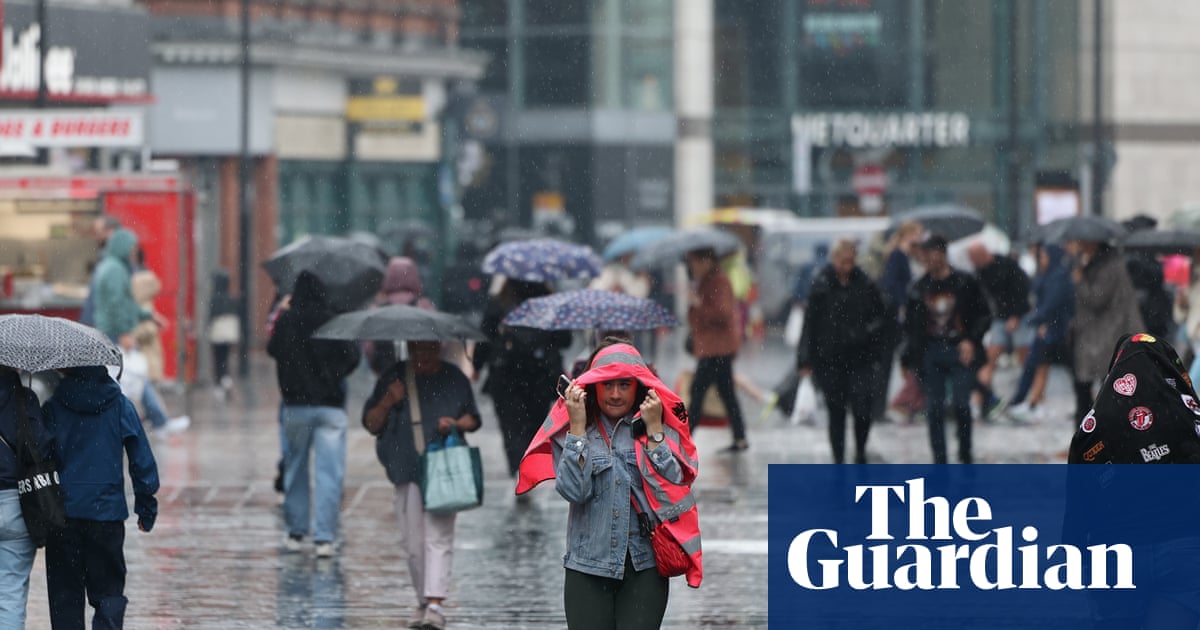
Severe weather has struck parts of England and Wales, bringing heavy rainfall and thunderstorms to regions still grappling with the aftermath of a prolonged summer drought. The sudden shift in conditions has resulted in dozens of damaged homes and prompted emergency services to respond to flooding incidents across the Midlands, Yorkshire, and the south-east. This event underscores the increasing volatility of the UK climate, where extreme dryness is rapidly followed by intense precipitation that the landscape cannot absorb.
The Environment Agency issued forty flood alerts on Thursday morning, indicating a significant risk of water overflow in vulnerable areas. These warnings cover a broad geographic spread, including Nottinghamshire, where specific concerns were raised about rising river levels at gauging stations near Mansfield. The agency identified Old Rufford Road as particularly at risk due to the rapid increase in water volume within the local catchment area. This widespread alert system reflects the scale of the threat posed by the incoming storm systems.
Meteorological forecasts predicted that thundery showers could deliver up to 75 millimeters of rain in just twelve hours in certain locations. To manage the public safety risks, the Met Office implemented yellow warnings for thunderstorms across several regions, including the Midlands, east and south of England, north-west England, Yorkshire, Humber, and Wales. These initial warnings were set to expire at 10 pm on Thursday, with a second round of alerts scheduled for Lincolnshire, Kent, Medway, and parts of Yorkshire and the east of England, lasting from late Thursday evening into Friday morning.
In Birmingham, residents experienced the immediate impact of these storms on Wednesday night. The Environment Agency had issued a flood warning for the Perry Barr area prior to the deluge. Local fire services responded to reports of flooding at thirty-two properties near the Tame Valley canal, dispatching seven engines to assist with the situation. The speed at which water accumulated caught many off guard, turning streets into fast-moving channels that overwhelmed standard drainage infrastructure.
One resident in Birmingham described returning home to find his street transformed by rising waters. He noted that within thirty minutes of arriving, what appeared to be large puddles escalated into a river-like flow moving down the road. His conservatory filled with approximately one meter of water, while his living room suffered damage as water seeped under laminate flooring and disrupted electrical systems. Although the water level remained below the main house floor, the incident required immediate attention to salvage belongings and assess structural integrity.
The physical damage extended beyond individual properties to include neighboring homes where carpets and furniture were soaked. The resident attributed part of the problem to blocked drains caused by leaves that had accumulated during the dry months, compounded by runoff from nearby motorways. He expressed uncertainty about the timeline for repairs while focusing on contacting insurance providers and removing wet items. His father-in-law echoed concerns about the velocity of the water, noting how quickly the situation deteriorated without warning.
Staffordshire also recorded significant rainfall, with 60 millimeters falling in a twelve-hour period, leading to lower-level flood alerts in the region. This pattern of intense, short-duration rain is characteristic of the volatile weather systems affecting the UK this summer. Climate scientists have long warned that global heating contributes to such instability, creating cycles of extreme heat followed by severe storms. Five distinct heatwaves were recorded in the UK during this summer season, exacerbating soil dryness before the rains arrived.
Despite the recent flooding, the broader drought conditions persist across much of the country. Following a meeting on Thursday morning, the National Drought Group confirmed that 71.3% of England remains under drought status. Only 34% of the rainfall typically expected for August had been received up to that point. Philip Duffy, chief executive of the Environment Agency, emphasized that a few days or even weeks of wet weather cannot reverse months of exceptional dryness. He explained that heavy rain falling on compacted soils creates a paradoxical situation where drought and flood occur simultaneously, as the ground lacks the capacity to absorb the sudden influx of water.
The current crisis highlights the challenges facing infrastructure and emergency services in adapting to increasingly erratic weather patterns. As residents deal with immediate property damage and insurance claims, authorities continue to monitor river levels and issue warnings for upcoming storm systems. The coexistence of widespread drought and localized flooding illustrates the complex environmental pressures shaping the UK's climate landscape, requiring sustained attention from both policymakers and communities affected by these extreme events.
Sources behind this briefing
Go to the original reporting
- The Guardian World↗Homes damaged as storms follow heatwaves in England and Wales

