The short version
- Democrat Haley Stevens endorsed Republican Mike Rogers, prompting Donald Trump to welcome her into the party at an Iowa rally.
- Trump used the platform to launch Islamophobic attacks against Abdul El-Sayed, labeling him a 'jihadist.'
- The incident highlights the volatile nature of the Michigan Senate race and its potential implications for the 2028 election cycle.
A significant political shift occurred in Michigan’s Senate race when Democrat Haley Stevens endorsed Republican candidate Mike Rogers, a move that has drawn intense national attention. The endorsement marks a notable defection from the Democratic party and has been met with immediate praise from former President Donald Trump, who welcomed Stevens to join the Republican party during a rally in Iowa.
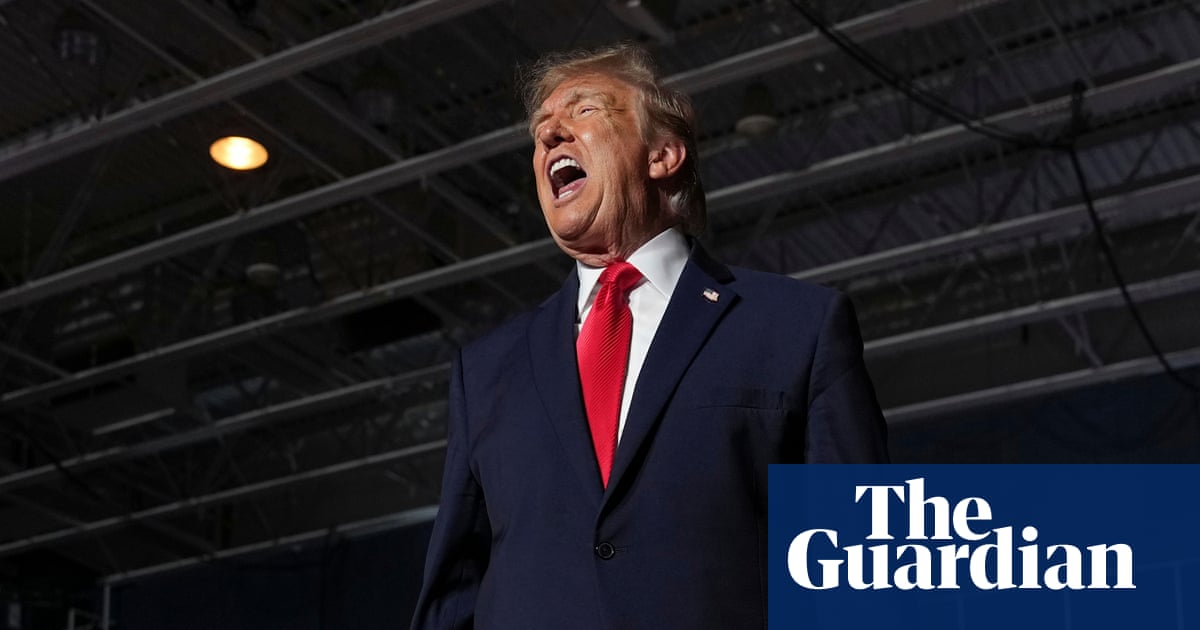
Trump’s response to Stevens’ switch was swift and public. On stage in Iowa, he celebrated her decision to support Rogers, framing it as a victory for his political agenda. However, the event quickly turned toward aggressive rhetoric directed at Abdul El-Sayed, the Democratic nominee for Senate in Michigan. Trump used the platform to launch what observers have described as an Islamophobic diatribe against El-Sayed.
During the rally, Trump referred to El-Sayed, a Muslim candidate, as a 'jihadist.' This characterization continues a pattern of attacks against the progressive Democratic nominee, leveraging religious identity to undermine his candidacy. The comments have sparked widespread discussion and concern regarding the tone of political discourse in the upcoming election.
The endorsement by Stevens is not merely a personal political shift but a strategic move that has implications for the broader landscape of the Michigan Senate race. By supporting Rogers, Stevens has effectively split the Democratic vote or signaled dissatisfaction with El-Sayed’s campaign, potentially altering the dynamics of the contest. The Guardian reported on this development, highlighting the significance of Stevens’ defection in the context of the tight race.
The incident has also drawn attention to the broader implications for the 2028 election cycle. Political analysts, including Shane Goldmacher of The New York Times, have noted that a victory for El-Sayed could have significant repercussions for future Democratic strategies. Conversely, the endorsement of Rogers by a prominent Democrat like Stevens may embolden Republican efforts to capitalize on internal divisions within the opposing party.
The backlash from Trump’s comments has been immediate and severe. Critics have condemned the use of Islamophobic language in political campaigns, arguing that it undermines democratic values and fuels division. The incident has also raised questions about the role of former presidents in shaping current political narratives and the impact of their rhetoric on public discourse.
As the election approaches, the focus remains on how these developments will influence voter behavior in Michigan. The endorsement by Stevens and Trump’s subsequent attacks on El-Sayed have created a charged atmosphere that could sway undecided voters. The race is seen as a bellwether for future political trends, with both parties investing heavily in securing victory.
The situation underscores the high stakes involved in the Michigan Senate race. With national attention focused on the state, every move by candidates and endorsers is scrutinized for its potential impact on the outcome. The endorsement by Stevens and Trump’s response have added a layer of complexity to an already contentious campaign, highlighting the deep divisions within American politics.
What remains unresolved is the long-term effect of these events on the political landscape. While the immediate reaction has been one of outrage and debate, the ultimate impact on voter turnout and candidate support will only become clear as the election nears. The incident serves as a reminder of the power of endorsements and rhetoric in shaping public opinion and influencing electoral outcomes.
In the coming weeks, both campaigns are likely to intensify their efforts to mobilize supporters and counteract the effects of these developments. The race between El-Sayed and Rogers is not just about local issues but also reflects broader national trends and ideological battles. As such, the outcome will have significant implications for the future of American politics.
Sources behind this briefing
Go to the original reporting
- The Guardian US Politics↗Trump praises Haley Stevens' defection while lobbing Islamophobic insults at El-Sayed – video
- The New York Times↗Inside the Abdul El-Sayed-Haley Stevens Meltdown in Michigan
- Facebook↗Dr. Abdul El-Sayed is the Democratic Senate candidate in Michigan. Our national political correspondent Shane Goldmacher explains why a victory for El-Sayed could have broader implications for 2028.
- The Guardian↗Democrat Haley Stevens endorses Abdul El-Sayed’s Republican rival Mike Rogers