The short version
- Stephen Miller replaces Susie Wiles as White House chief of staff after Republicans suffered significant midterm election losses.
- The appointment contradicts recent presidential comments suggesting the administration's deportation policies were excessively harsh.
- Further personnel changes are expected, including the departure of Deputy Chief of Staff Richard Walters and potential press secretary shifts.
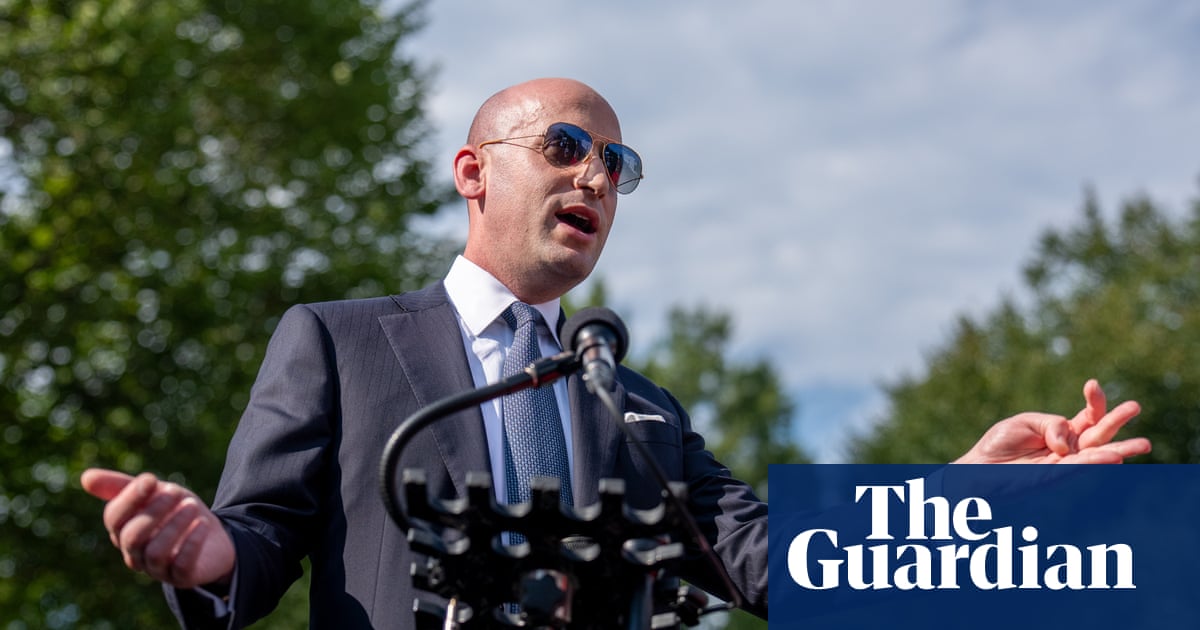
Stephen Miller has assumed the position of White House chief of staff, replacing Susie Wiles in a move that marks a significant shift in the administration's leadership structure. The appointment was announced on Friday by President Donald Trump via his social media platform Truth Social, with Miller officially beginning his duties on Monday. This transition occurs against the backdrop of substantial electoral setbacks for Republicans during the recent midterm elections, prompting a reevaluation of strategic direction within the executive branch.
Miller, aged 41, previously served as deputy chief of staff and is widely recognized for designing the administration's aggressive immigration enforcement strategies. His elevation to the top administrative post positions him as the president's primary advisor on policy implementation and internal management. The decision has drawn immediate attention from political observers who note that Miller represents one of the most polarizing figures in the current government, particularly regarding his role in shaping mass deportation initiatives.
The timing of this personnel change highlights a tension between electoral feedback and administrative continuity. Voters recently rejected key elements of the president's agenda, yet the White House has chosen to promote an official closely associated with those controversial measures. Critics argue that elevating Miller demonstrates a disregard for public sentiment expressed through the ballot box, especially given the widespread disruption caused by recent immigration crackdowns across the nation.
Internal communications prior to the announcement suggested stability in the chief of staff role, with administration officials denying rumors that Wiles was departing. This denial created surprise among political analysts when the promotion was revealed. The abrupt nature of the change underscores the fluidity of White House staffing during periods of political pressure, as the administration seeks to consolidate power and redefine its operational priorities following the midterm results.
President Trump recently acknowledged in a televised interview that his deportation policies might have been overly aggressive. Speaking on CBS's 60 Minutes program, he admitted that many Americans viewed the measures as too tough, even while noting that others supported them strongly. This admission contrasts sharply with the decision to place Miller, the primary architect of those policies, in a position of greater influence and authority within the White House hierarchy.
The restructuring extends beyond the chief of staff office, indicating broader adjustments within the administration. Richard Walters, a deputy chief of staff and close ally of Susie Wiles, has announced his departure from the White House. His exit suggests that Miller's rise may trigger further realignments among senior staff members who were aligned with previous leadership structures or policy approaches.
Recent weeks have seen a pattern of turnover among female officials in high-ranking positions. Harmeet Dhillon, a senior justice department official, has stepped down, as has Katie Zacharia, who served only five days as press secretary before replacing Karoline Leavitt. These departures contribute to an atmosphere of instability and rapid change within the executive branch, raising questions about long-term strategic planning and personnel retention.
Speculation continues regarding other potential staffing changes, particularly in the communications office. President Trump mentioned offering the press secretary role to Dana White, head of the Ultimate Fighting Championship, though he later characterized the offer as a joke. Despite this clarification, reports indicate that the two men are scheduled to meet, suggesting that the possibility of unconventional appointments remains under consideration as the administration navigates its post-midterm landscape.
The appointment of Stephen Miller signals a commitment to maintaining hardline policy positions despite electoral challenges. By placing a key architect of controversial immigration measures in charge of daily operations, the White House appears determined to pursue its agenda with renewed intensity. This move sets the stage for increased scrutiny from both political opponents and the public as the administration attempts to balance ideological goals with practical governance demands.
As the new chief of staff settles into his role, the focus will likely shift toward implementing specific policy directives and managing internal dynamics. The coming weeks will reveal how Miller's leadership style influences decision-making processes and whether the administration can stabilize its operations amid ongoing personnel transitions. The broader implications of this appointment will depend on how effectively it addresses the concerns raised by recent electoral outcomes while advancing the president's core objectives.
Sources behind this briefing
Go to the original reporting
- The Guardian World↗Hardline Trump aide Stephen Miller takes over as White House chief of staff


