The short version
- Justice Gregory Carro postponed the September start date for the state murder trial after Mangione pleaded guilty to federal stalking charges.
- Defense counsel moved to dismiss state charges, citing double jeopardy concerns, though legal experts suggest the distinct elements of the crimes may allow both cases to proceed.
- Federal prosecutors are seeking a life sentence in the federal case, while a conviction in New York state court could add twenty-five years to life.
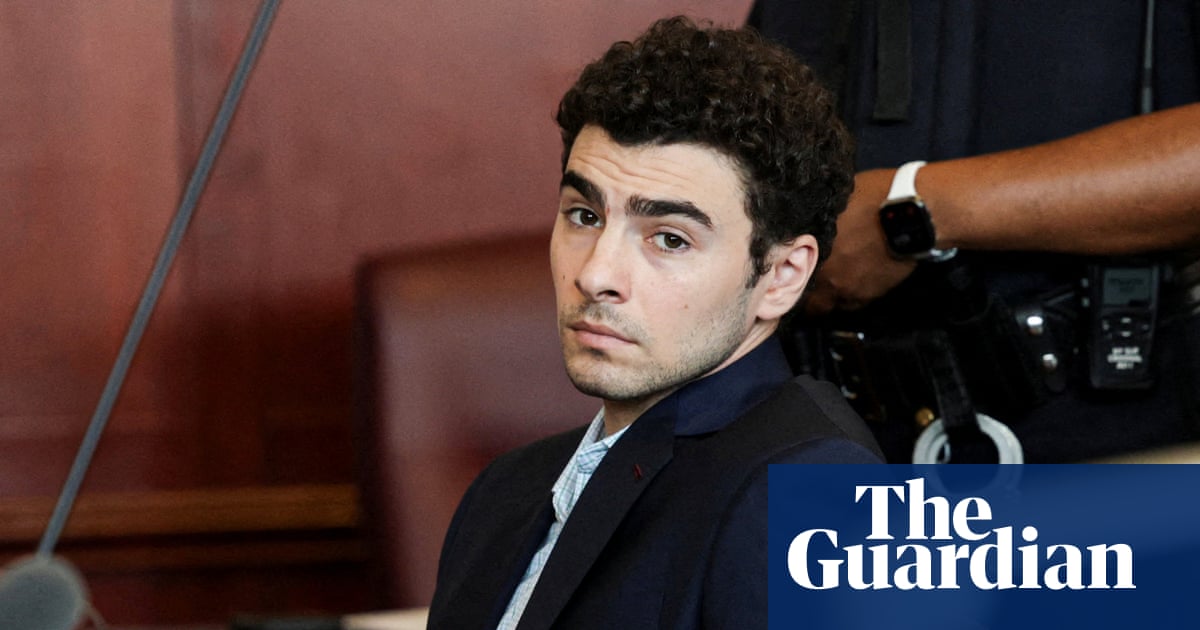
The scheduled commencement of Luigi Mangione’s trial in New York state court has been effectively halted following his guilty plea in a separate federal proceeding. Justice Gregory Carro, who is overseeing the state charges related to the December 2024 killing of UnitedHealthcare chief executive Brian Thompson, issued an order on Monday that pushes back the next court appearance to December 10. This decision means the trial, which was originally set to begin on September 8, will not move forward in the immediate future.
The procedural shift stems from a motion filed by Mangione’s defense attorneys on Friday. They requested that Justice Carro dismiss the state charges entirely, arguing that prosecuting Mangione for the same conduct after he has already pleaded guilty in federal court violates New York’s prohibition against double jeopardy. The defense contends that subjecting him to two separate punishments for actions arising from the same incident is legally impermissible under state law.
In response to the motion, Justice Carro granted prosecutors until October 9 to file a formal reply. By setting the next appearance for December, the court has created a significant pause in the state litigation process. This delay allows both sides to address the legal arguments regarding whether the federal and state cases constitute separate offenses or overlapping punishments for identical conduct.
Mangione, who is 28 years old, entered his guilty plea in the federal case last week without reaching a negotiated agreement with prosecutors. He confessed to shooting Thompson outside a New York City hotel. During the federal proceedings, Mangione described a longstanding dispute with UnitedHealthcare regarding his treatment for severe back pain. He stated that he had struggled with navigating the health insurance system and cited witnessing similar difficulties experienced by others as motivating factors.
The federal charges to which Mangione pleaded guilty were limited to stalking. Other potential federal charges, including murder, were dropped as part of the resolution. However, his acceptance of responsibility in the federal court does not guarantee leniency at sentencing. Federal prosecutors have indicated their intention to seek a life sentence, which represents the maximum penalty allowable under the law for the stalking conviction.
The stakes remain high in the parallel state case. If convicted of second-degree murder in New York state court, Mangione faces a potential sentence of twenty-five years to life in prison. The outcome of Justice Carro’s ruling on the dismissal motion will determine whether these sentences could be served consecutively. A dismissal would eliminate the possibility of additional state imprisonment, while a rejection would keep the threat of consecutive terms alive.
Legal experts suggest that the defense’s double jeopardy argument faces significant hurdles. Bennett Gershman, a law professor at Pace University in New York, noted that it is unlikely Justice Carro will dismiss the case on these grounds. He explained that New York’s double jeopardy statute includes exceptions for crimes that possess different legal elements or are designed to prevent distinct types of harm.
According to Gershman, the elements required to prove stalking differ substantially from those needed to prove murder. While the federal stalking charges require proof of intent to kill, they do not require proof that a death actually occurred. Conversely, the state murder charge hinges on the fact of the killing itself. This distinction suggests that the two offenses are legally distinguishable enough to withstand a double jeopardy challenge.
Manhattan District Attorney Alvin Bragg’s office has signaled its readiness to contest the defense motion. A spokesperson for the district attorney referred to a statement indicating that the prosecution is prepared to litigate the issue vigorously. Meanwhile, Mangione’s defense team has declined to provide further comment on the developments. The federal sentencing hearing is currently scheduled for December 18.
The resolution of these legal motions will clarify whether Mangione faces compounding penalties from both jurisdictions. Until Justice Carro rules on the dismissal request, the state case remains in limbo, with no trial date set and significant uncertainty regarding the final scope of his punishment. The coming months will likely focus on this legal battle rather than the presentation of evidence regarding the killing itself.
Sources behind this briefing
Go to the original reporting
- The Guardian US↗Luigi Mangione New York murder trial postponed after guilty plea in federal case

