The short version
- Judge Gregory Carro has indefinitely postponed the state murder trial scheduled for September, ordering a hearing on double jeopardy claims in December.
- Defense attorneys argue that Mangione’s federal guilty plea to stalking charges covers the same conduct as the state murder case, invoking New York’s unique protections against dual prosecution.
- Manhattan District Attorney Alvin Bragg’s office intends to contest the motion, asserting that state homicide charges involve distinct legal elements and serve independent public interests.
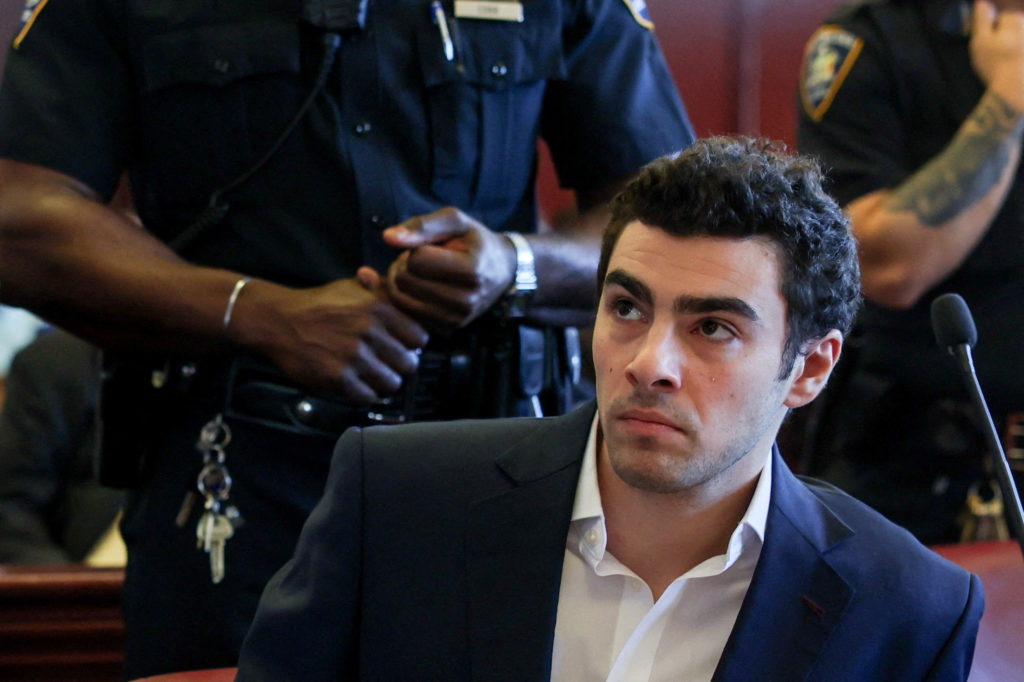
The state-level murder trial of Luigi Mangione, accused of killing UnitedHealthcare CEO Brian Thompson, has been suspended indefinitely. Manhattan Criminal Court Judge Gregory Carro issued an order on Monday canceling the proceedings that were set to commence on September 8. The delay allows the Manhattan District Attorney’s office until October 9 to respond to a legal challenge filed by Mangione’s defense team. A hearing to address these claims is scheduled for December 10, occurring just days before Mangione faces sentencing in federal court.
The procedural pause stems from a conflict between state and federal jurisdictions following Mangione’s recent guilty plea in Manhattan federal court. On Friday, the 28-year-old defendant admitted to two counts of stalking related to the 2024 shooting of Thompson outside a Manhattan hotel. During his plea, Mangione acknowledged trailing Thompson to an investor conference for UnitedHealth Group before opening fire. Federal prosecutors have indicated they will seek a life sentence when he is sentenced on December 18, although federal sentencing guidelines suggest a term between 24 and 30 years.
Immediately after entering the federal plea, Mangione’s legal representatives filed motions to dismiss the parallel state case. They argued that proceeding with both prosecutions violates double jeopardy protections and due process rights. The defense characterized Mangione as a pawn in overlapping government efforts, accusing prosecutors of attempting to punish him twice for identical conduct. They maintain that the stalking charges he pleaded guilty to encompass the same course of action as the murder charge pending in state court.
New York State law provides defendants with unusually robust protections against multiple prosecutions compared to federal statutes and laws in other jurisdictions. Under these rules, a state prosecution may be barred if a federal case involving the same criminal transaction concludes with a guilty plea or if a jury has been sworn in. The defense contends that the full scope of the stalking offense is coterminous with the murder offense, arguing that traveling across state lines to commit the shooting does not separate the stalking from the homicide.
Manhattan District Attorney Alvin Bragg’s office has signaled it will vigorously oppose efforts to terminate the state case. In a statement, the DA’s office noted that Mangione’s federal sentence has not yet been determined, leaving uncertainty about whether justice has been fully served. Assistant District Attorney Joel Seidemann previously objected to the notion that a federal plea should extinguish state charges, emphasizing the need to account for the seriousness of the offenses.
Prosecutors argue that the state charges involve different legal elements and distinct criminal conduct than those addressed in the federal indictment. Seidemann highlighted the sanctity of life principle underlying state homicide laws as a critical interest separate from federal stalking statutes. The prosecution maintains that allowing a federal plea to wipe out the state case would undermine the state’s authority to address violent crimes committed within its borders.
Judge Carro must now determine whether New York’s double jeopardy protections apply to Mangione’s specific circumstances. His ruling will hinge on whether the federal stalking charges and the state murder charge arise from the same criminal transaction or if they represent separate offenses requiring independent adjudication. Regardless of the judge’s initial decision, either side retains the right to appeal, potentially prolonging the legal battle for months or years.
Mangione has pleaded not guilty to the state charges, which also carry the possibility of a life sentence. The outcome of this double jeopardy dispute will set a significant precedent for how New York courts handle concurrent federal and state prosecutions involving violent crimes. As the December hearing approaches, attention remains focused on whether the state can proceed with its own version of justice or if the federal resolution will stand as final.
The case has drawn intense public scrutiny since the shooting in December 2024. Mangione’s admission of guilt in federal court provided a rare moment of clarity regarding his actions, but it simultaneously triggered complex legal questions about jurisdictional boundaries. The indefinite postponement leaves victims’ families and the public awaiting further developments while the courts navigate these competing legal frameworks.
Legal experts note that such conflicts between state and federal authorities are not uncommon but often result in protracted litigation. The unique nature of New York’s double jeopardy statute adds another layer of complexity, as it offers broader defendant protections than many other jurisdictions. The coming months will reveal how strictly the courts interpret these protections in high-profile cases involving interstate conduct and violent felonies.
Sources behind this briefing
Go to the original reporting
- PBS NewsHour↗Luigi Mangione's state murder trial postponed indefinitely as double jeopardy fight plays out

