The short version
- An investigation reveals that Secretary of State Marco Rubio has utilized government aircraft for numerous personal trips to Florida, costing taxpayers over $1.2 million.
- Critics argue the frequency of these flights exceeds historical norms for the position and warrants closer examination of how public funds are managed.
- Officials defend the travel as necessary for operational continuity, while Rubio maintains that attending family events is a personal priority.
A recent investigation has brought renewed attention to the use of taxpayer-funded military aircraft by high-ranking government officials, specifically focusing on the travel habits of US Secretary of State Marco Rubio. Reports indicate that Rubio has spent more than $1.2 million in public funds on flights between Washington DC and Gainesville, Florida, primarily to attend University of Florida football games. These trips coincide with the college career of his son, Anthony, who serves as a walk-on running back for the Gators.
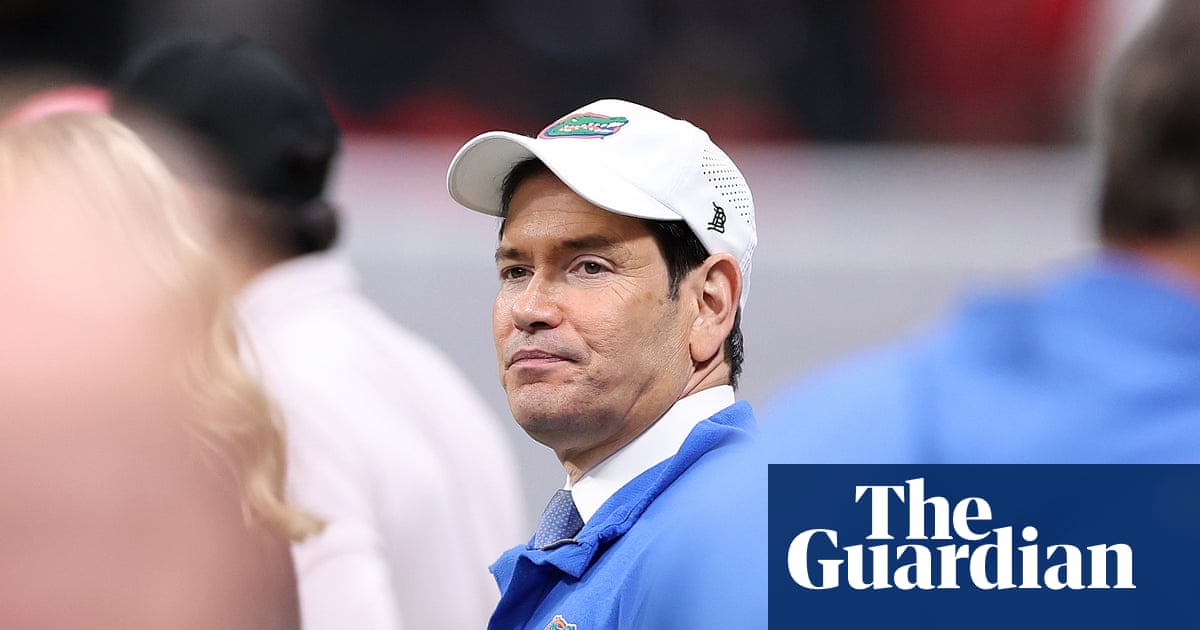
The scrutiny stems from data showing that Rubio has attended at least ten games over the past two seasons, including five this fall. Of the twenty-three total trips made to Gainesville on military aircraft during this period, fifteen were classified as personal in nature. The most recent instance occurred in early November, when Rubio arrived via an Air Force C-37 plane to watch a game that ended in a loss for his son’s team. His son did not participate in that specific match.
Calculations based on published Department of Defense rates suggest the flights alone account for the significant financial burden. While security protocols prohibit Rubio from using commercial airlines, similar restrictions apply to other top officials such as the secretary of defense and directors of the FBI and CIA. However, analysts note that the volume of Rubio’s travel appears to significantly outpace that of his predecessors in the role.
Comparisons with previous administrations highlight this disparity. Former Secretary of State Antony Blinken reportedly took personal trips on government aircraft only a few times annually. In contrast, Rubio’s frequent shuttling has drawn comparisons to past controversies involving government jet usage. Notably, Rubio himself previously called for an investigation into then-Transportation Secretary Pete Buttigieg’s use of government jets, arguing that taxpayers deserve assurance against waste. That probe ultimately cleared Buttigieg of wrongdoing.
Ethics watchdogs have weighed in on the situation, noting that while the travel may not constitute a technical violation of law, it raises concerns about optics and fiscal stewardship. Cynthia Brown, senior ethics counsel at Citizens for Responsibility and Ethics in Washington, described the issue as potentially undermining the integrity of public service. She emphasized the importance of scrutinizing how officials manage taxpayer dollars, particularly when they act as sole arbiters of their travel frequency.
Government officials have defended the practice by citing operational necessities. Dylan Johnson, assistant secretary of state, stated that the use of military aircraft ensures continuity of operations and access to secure communications at all times. This justification aligns with standard protocols for high-level diplomats who require secure transport regardless of the trip’s primary purpose.
Financial reimbursement rules require officials using military transport to pay the government an amount equivalent to an economy-fare ticket. However, this reimbursement is far less than the actual cost of operating the aircraft. The State Department and Rubio’s office have declined to disclose how much he has reimbursed for these specific trips, leaving a gap in public accounting regarding the net cost to taxpayers.
The controversy underscores broader tensions around government transparency and resource allocation. As debates continue over the appropriate use of official assets for personal matters, Rubio’s travel record serves as a focal point. Critics argue that shining a light on such expenditures is essential for maintaining public trust, while supporters maintain that family obligations remain a valid reason for utilizing available secure transport options.
Looking ahead, the incident may prompt further review of travel policies within the executive branch. While no formal charges have been filed, the persistent questioning from ethics groups and media outlets suggests that the issue will remain under scrutiny. The balance between personal convenience and public responsibility continues to be a contentious topic in American political discourse.
Ultimately, the situation reflects ongoing challenges in defining acceptable boundaries for government spending. Whether viewed as a minor optics issue or a significant misuse of resources, the travel expenses associated with Rubio’s trips have sparked a wider conversation about accountability in high office. The lack of detailed reimbursement data adds to the uncertainty surrounding the true financial impact on the public purse.
Sources behind this briefing
Go to the original reporting
- The Guardian US↗Marco Rubio spent over $1.2m of taxpayer money traveling to son’s football games