The short version
- The State Department allocated over $175 million in human rights funding to conservative and far-right organizations hours before the fiscal deadline, bypassing congressional holds.
- Major grants include a $40 million award to an anti-communist foundation and support for white Afrikaner rights groups in South Africa, marking a sharp departure from traditional democracy promotion.
- Critics argue these awards undermine US alliances and violate the bipartisan intent of the Human Rights and Democracy Fund, while administration officials defend them as necessary for defending Western civilizational norms.
In a move that has drawn sharp criticism from lawmakers and foreign policy experts, the Trump administration directed more than $175 million in federal funds to a series of grants supporting conservative and far-right causes abroad. The State Department obligated these funds on Wednesday, just hours before the fiscal deadline, despite explicit concerns raised by members of Congress regarding the intended recipients. This action represents a significant pivot in how the United States defines and supports human rights initiatives, shifting focus from traditional democracy promotion to ideological alignment with specific political movements.
The controversial awards constitute the majority of the $205 million appropriated by Congress for the Human Rights and Democracy Fund. Among the most notable allocations is a $40 million grant awarded to a consortium led by the Victims of Communism Memorial Foundation, an organization that has received only minimal funding from the State Department in recent years. Other grants include support for groups advancing white Afrikaner rights in South Africa, campaigns targeting Brazil’s supreme court, and programs designed to bolster ideological allies in Europe who advocate for what they describe as Western civilizational norms.
Sources familiar with the grant process indicate that these awards were personally lobbied for by senior members of the Trump administration. The selections appear to reflect specific policy interests held by high-ranking officials, including Vice President JD Vance’s concerns about the erosion of traditional values in Europe and Stephen Miller’s focus on immigration issues and support for white minorities in nations like South Africa. One individual involved in the discussions noted that these programs received direct attention from the White House, suggesting a coordinated effort to reshape US foreign assistance priorities.
This reallocation marks a stark departure from previous administrations’ approaches to supporting dissidents and civil society groups under authoritarian regimes. The new slate of grants includes projects in wealthy democracies, focusing on opposition to regulation, Brexit-related initiatives, migration control, anti-communism, Christian protection, and resistance to gender ideology. Critics argue that this shift redefines the scope of human rights work, moving away from universal principles toward a narrower, ideologically driven agenda that may alienate traditional US partners.
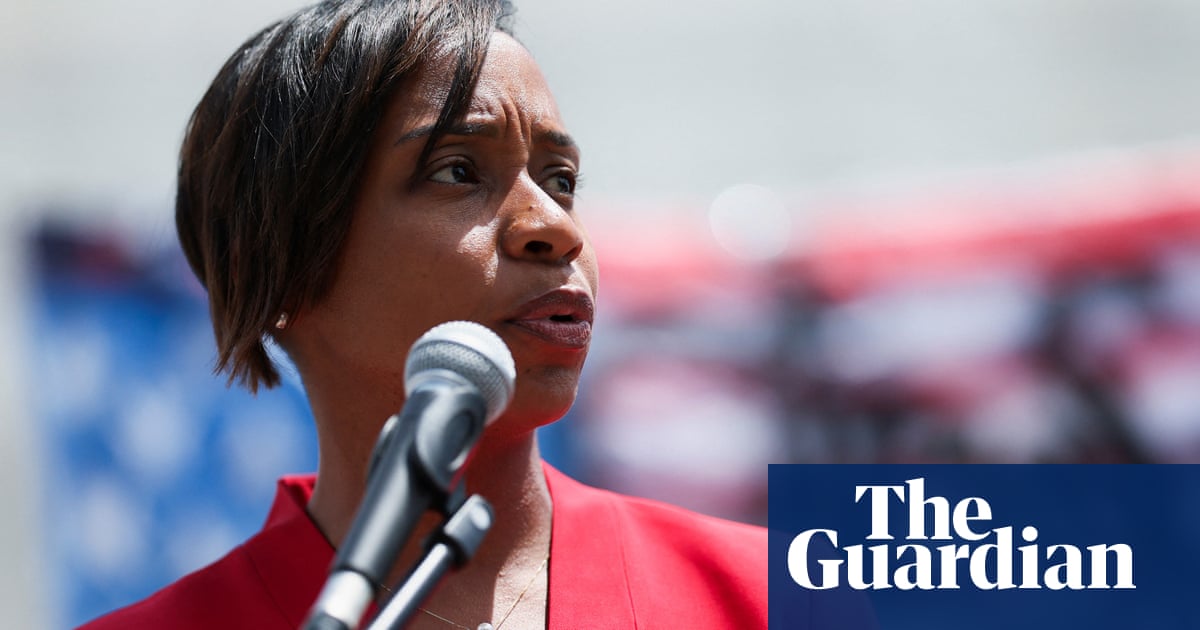
Senator Jeanne Shaheen, the top Democrat on the Senate Foreign Relations Committee, condemned the move as a misuse of taxpayer resources. She emphasized that Congress had appropriated the funds on a bipartisan basis to support human rights defenders and victims of violations, not to promote far-right organizations in established democracies. According to Shaheen, these actions undermine United States values and strain relationships with democratic allies in Europe, potentially damaging long-standing diplomatic ties.
The largest grant, totaling $40 million, was directed to the Victims of Communism Memorial Foundation. A State Department vetting document reviewed by journalists shows that the foundation had previously received only small contracts from the department, all occurring in fiscal year 2022. The document also identifies Andrew Bremberg, a former White House domestic policy adviser and US ambassador to the UN European office, as a senior leader of the foundation. This connection has raised questions about potential conflicts of interest and the influence of personal networks on federal funding decisions.
Samuel Samson, a deputy assistant secretary overseeing the new grants, has been linked to senior members of the Victims of Communism Memorial Foundation through his educational background at Hillsdale College, a Christian conservative institution. While a State Department official previously dismissed any connection between this relationship and the grant award, Samson’s public statements align closely with the foundation’s mission. He has described the US and Europe as partners in a shared civilizational struggle and criticized non-governmental organizations for promoting concepts he views as radical, including gender theory and diversity initiatives.
The State Department declined to comment on specific grants but stated that all programming undergoes standard vetting processes by grant professionals. Officials maintained that awardees meet federal guidelines and that the programs are still in active deliberation. However, the timing of the fund obligation—just hours before the deadline and in defiance of congressional holds—has fueled speculation about the administration’s intent to bypass oversight. As the fiscal year closes, the implications of these grants for US foreign policy and international relations remain a subject of intense debate.
Looking ahead, the impact of these funding decisions will likely be felt across multiple regions where US assistance has traditionally supported democratic institutions and human rights defenders. The shift toward ideological allies may alter the landscape of civil society support, particularly in Europe and South Africa, where local groups have long relied on US aid for advocacy and protection. Whether this strategy strengthens or weakens US influence abroad remains uncertain, but it undoubtedly signals a new direction in American foreign policy under the current administration.
Sources behind this briefing
Go to the original reporting
- The Guardian World↗Trump administration diverts human rights funds to push far-right agenda abroad