The short version
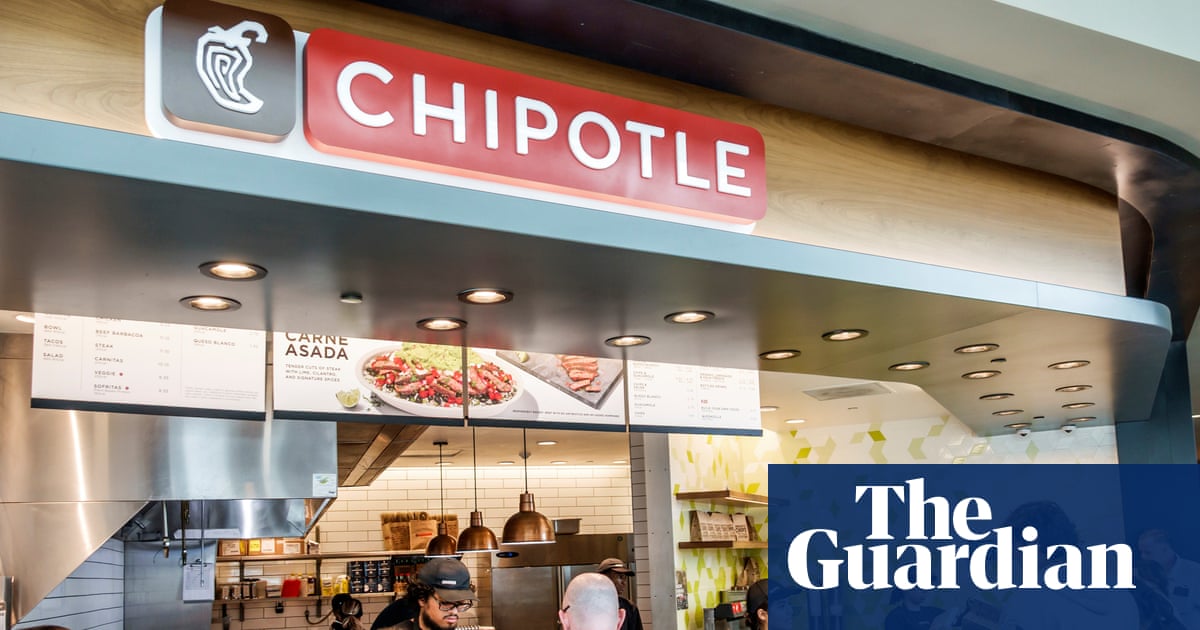
- Starbucks has reportedly engaged advisers to explore a potential takeover of Chipotle Mexican Grill, a move that would bring former CEO Brian Niccol back to the company he previously led.
- The proposed acquisition faces skepticism from market analysts who question the financial logic given Starbucks' current heavy investment in labor and store improvements aimed at restoring profitability.
- While Chipotle has struggled with declining traffic and margin pressure, a merger could theoretically leverage Starbucks' global footprint to accelerate international expansion for the burrito chain.
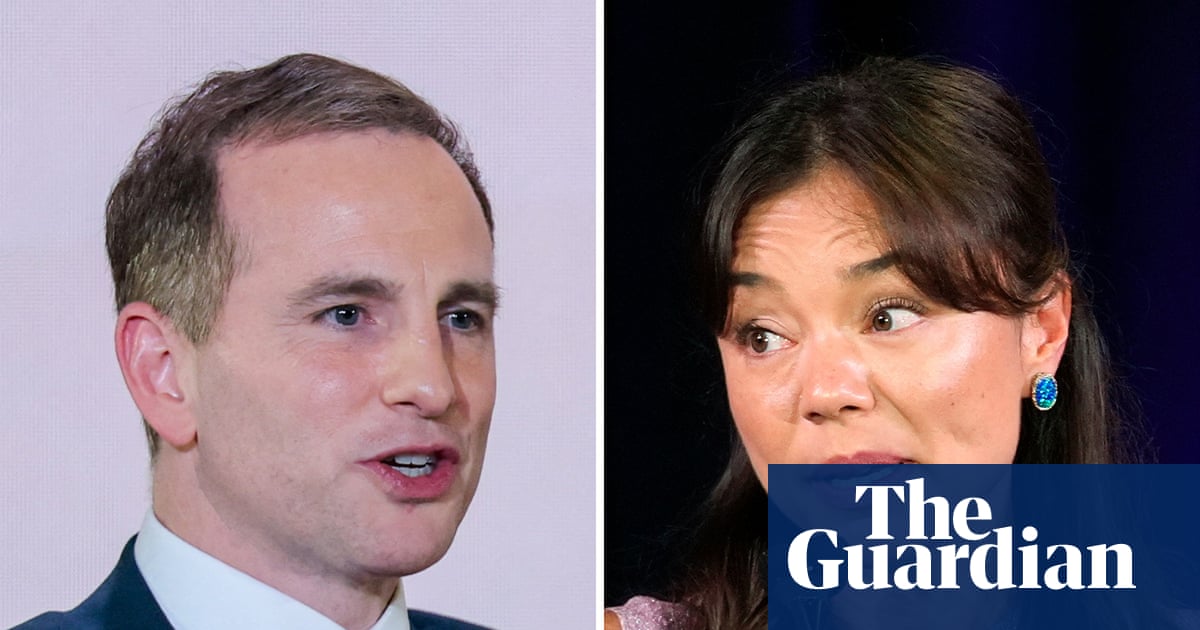
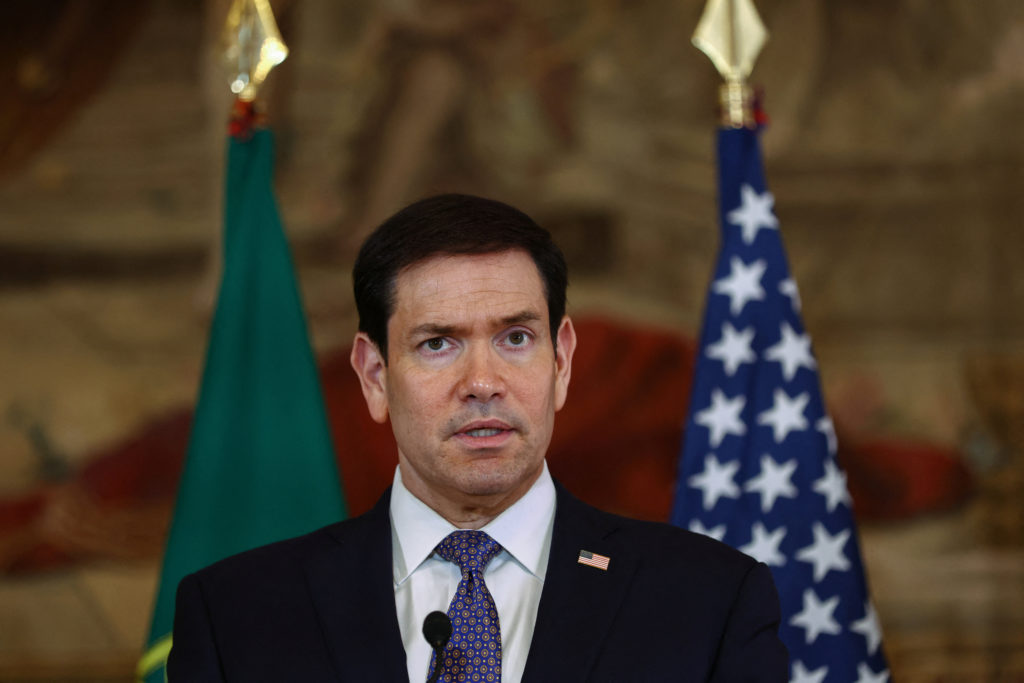
Starbucks is reportedly considering a significant strategic shift by exploring the acquisition of Chipotle Mexican Grill, according to reports from the Financial Times. This potential transaction would mark a dramatic reversal of roles for Brian Niccol, who departed Chipotle in September 2024 after six years as chief executive to lead the coffee giant. The move comes at a time when both companies are navigating a challenging economic landscape characterized by inflation-weary consumers and rising operational costs.
The suggestion that Starbucks might buy its former leader’s previous employer has sparked immediate reaction in financial markets. On Thursday, shares of Chipotle rose approximately six percent, while Starbucks stock declined by about three percent. The valuation gap between the two entities is substantial; Chipotle holds a market capitalization nearing $39 billion, whereas Starbucks is valued at roughly $107 billion based on data from LSEG. Neither company immediately responded to requests for comment regarding the rumors.
Niccol’s tenure at Starbucks has been defined by an aggressive effort to restore the brand’s core identity and improve customer satisfaction. Since taking the helm, he has prioritized investments in staffing and store infrastructure designed to reduce wait times and revive the coffeehouse atmosphere that originally drove the company’s global success. These initiatives have required significant capital expenditure, with the company committing at least $500 million to labor-related investments as part of its broader reorganization strategy.
Despite these efforts, the financial results have shown mixed signals. While Starbucks has reported four consecutive quarters of comparable sales growth under Niccol’s leadership, profitability metrics have softened. Adjusted operating margins fell to 14.4 percent in the fiscal third quarter, down from 16.7 percent during the same period two years prior. Niccol acknowledged in July that further work is needed to fully realize the turnaround goals, suggesting that the internal transformation is not yet complete.
Market analysts have expressed caution regarding the timing and rationale of such a large-scale acquisition. Lale Akoner, a global market strategist at eToro, noted that any deal would likely require heavy borrowing or the issuance of new shares. Without a compelling financial case demonstrating clear synergies or cost savings, investors may view the acquisition as an expensive distraction from Starbucks’ primary mission of stabilizing its own operations.
Brian Jacobsen, chief economic strategist at Annex Wealth Management, described the potential timing as unusual given that Starbucks is still in the midst of its transformation. He suggested that rather than jump-starting the company’s recovery, the move might appear premature or misaligned with current investor expectations for margin improvement. The concern is that diverting resources to manage a complex merger could hinder the progress already made in restoring operational efficiency.
Chipotle itself has faced headwinds since Niccol’s departure. The burrito chain has contended with softer customer traffic as consumers pull back on discretionary spending, while higher food and labor costs have squeezed margins across the restaurant industry. Consequently, Chipotle’s shares have nearly halved in value since Niccol left the company. The contrast between Starbucks’ recent sales growth and Chipotle’s struggles highlights the divergent paths the two companies have taken under different leadership conditions.
Proponents of the deal argue that it could offer strategic advantages beyond immediate financial metrics. Jim Sanderson, an analyst at Northcoast Research, pointed out that Niccol could leverage Starbucks’ extensive network of licensed partnerships in Europe to expand Chipotle’s international presence more aggressively. Currently, Chipotle operates nearly 4,000 restaurants in the United States and approximately 100 locations internationally, whereas Starbucks boasts roughly 40,000 stores globally, including about 18,000 in North America.
The potential merger represents a high-stakes gamble for both brands. For Starbucks, it offers an opportunity to diversify its portfolio and potentially stabilize growth through cross-brand synergies. For Chipotle, it could provide access to capital and global distribution channels that might accelerate expansion efforts. However, the success of such a union would depend heavily on integrating two distinct corporate cultures and operational models while maintaining the unique appeal of each brand.
As speculation continues, investors are closely watching for official statements from both companies. The outcome of these discussions will likely influence broader perceptions of how major restaurant chains adapt to economic pressures. Whether the deal proceeds or remains a rumor, it underscores the intense scrutiny facing corporate leaders as they balance long-term strategic goals with short-term financial realities in an uncertain market environment.
Sources behind this briefing
Go to the original reporting
- The Guardian US↗Starbucks reportedly exploring Chipotle takeover