The short version
- Approximately 65,000 residents were evacuated from Spokane as fires breached natural barriers and destroyed nearly 900 structures.
- Police have charged a man with arson after he allegedly confessed to starting one of the blazes on a day chosen for its dry, windy conditions.
- Firefighters remain less than 40 percent contained on three major fronts while residents begin navigating the complex process of recovery.
The scale of destruction in Spokane, Washington, has shocked even residents accustomed to the region’s annual fire season. What began as a typical summer threat escalated into an unprecedented crisis when flames jumped the Spokane River, a natural barrier that had historically protected the city from such devastation. The breach allowed fires to race up hillsides with alarming speed, catching many off guard despite the presence of dark smoke columns and evacuation orders.
Nearly a quarter of the city’s population, approximately 65,000 people, were forced to leave their homes since the fires began. For those whose properties survived, officials warn that it may be weeks before neighborhoods are deemed safe for return due to lingering hazards. The speed and intensity of the blaze left little time for preparation, turning what many expected to be a brief evacuation into a prolonged displacement.
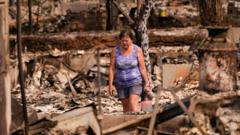
The human toll is evident in the stories of residents who returned to find their lives reduced to smoldering ruins. Chris Matthews, who had previously fled a brushfire threat only to return home after a few hours, faced a starkly different reality this time. He and his family expected to recover quickly, but instead found nothing left of their house. The psychological impact was immediate for others as well, with some residents reporting physical distress upon seeing the extent of the damage.
City Councilman Zack Zappone described the dual challenge facing local authorities: actively fighting three large fires that remain less than 40 percent contained while simultaneously initiating recovery efforts for those who have lost everything. The situation has created significant tension and uncertainty within the community. Shelters are filling up, and the frustration among residents is palpable as they grapple with the loss of property and the instability of their living situations.
Anger has intensified following the arrest of a local man, Aaron Farinacci, 37, who allegedly confessed to sparking one of the fires. Investigators stated that he specifically chose a dry, windy day to ignite the blaze, hoping for maximum spread. Local media reports indicate he had been questioned for arson previously and holds a conviction for killing his father in Arizona in 2010. A judge has ordered a mental competency evaluation, and Farinacci has not yet entered a plea.
For some residents, the identification of an arsonist provided a strange sense of closure. Melissa Matthews, whose home was destroyed, noted that knowing the fire was intentional rather than purely natural offered a small comfort. This sentiment reflects a broader desire for accountability in a disaster that felt both inevitable and preventable. However, this does not diminish the anger directed at what some see as negligence by others who may have contributed to spark risks through activities like mowing lawns.
Residents like Chrissy Goodrich and her father Scott Hansen are navigating the aftermath from within mandatory evacuation zones. They ride mountain bikes through burned-out neighborhoods to retrieve groceries, highlighting the logistical challenges faced by those unable or unwilling to leave completely. Hansen expressed surprise at how easily the wind carried flames across the river, emphasizing the power of the weather conditions that fueled the disaster.
Looking ahead, the forecast includes more dry and windy days, raising concerns about further escalation. Firefighters continue to battle the remaining hotspots while residents begin the long process of rebuilding. Chris Matthews urges neighbors to take the threat seriously, noting that past experiences should not dictate future expectations. He regrets not having a generator to power sprinklers when electricity failed, a lesson he hopes others will heed as they prepare for potential renewed threats.
Sources behind this briefing
Go to the original reporting
- BBC World↗Scale of devastation shocks US city's fire-seasoned residents

