The short version
- Charles Spencer insists King Charles told him the public would soon forget Diana after her death in 1997.
- Buckingham Palace responded by suggesting that grief can cloud judgment and alter recollections of past events.
- The controversy stems from excerpts of Spencer’s upcoming memoir, which details conflicts over funeral arrangements.
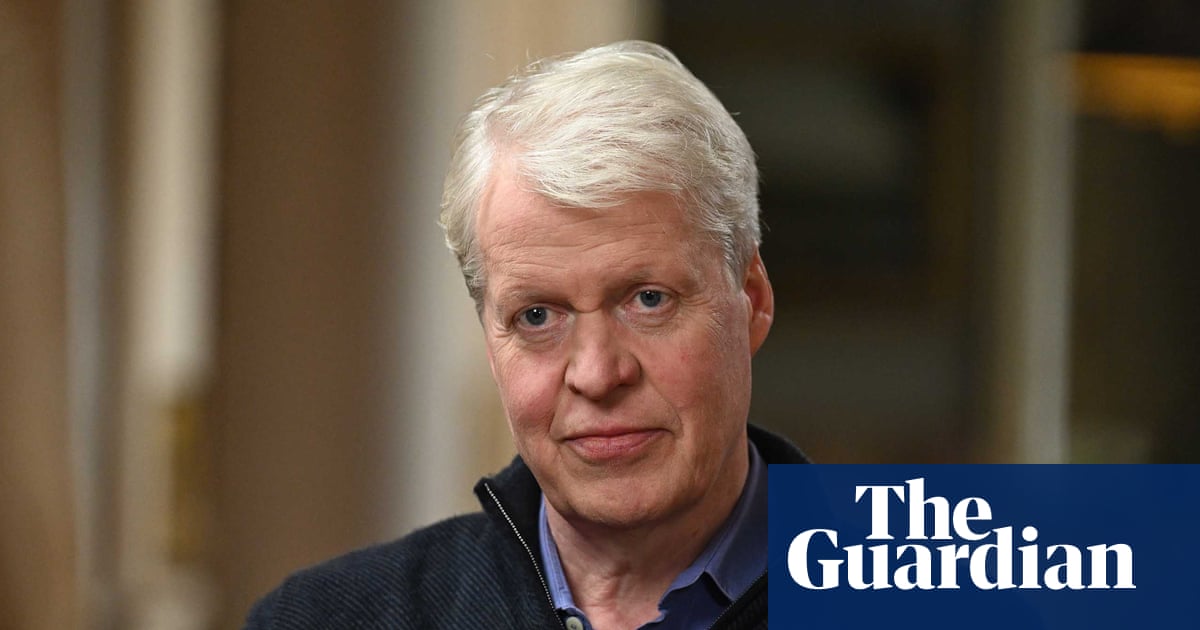
A significant dispute has emerged regarding the private interactions between King Charles and his late sister-in-law’s brother, Charles Spencer, in the days following Diana, Princess of Wales, died in 1997. Spencer has firmly reiterated claims made in his forthcoming memoir that the then-Prince of Wales told him during a heated telephone conversation that the public would soon forget Diana. This assertion stands in direct contrast to the position held by Buckingham Palace, which has suggested that the Earl’s memory of the event may be unreliable due to the intense emotional trauma surrounding the loss.
The controversy centers on specific allegations detailed in Spencer’s book, Swan Song: Diana, My Sister. According to excerpts released recently, the phone call occurred amidst a disagreement over funeral logistics, specifically regarding whether Prince William and Prince Harry should walk behind their mother’s coffin. Spencer claims he argued against the boys participating, believing it was too traumatic for them at ages fifteen and twelve. He alleges that Charles insisted they take part, leading to an argument during which the monarch allegedly hissed that rest assured, the world would forget Diana soon enough.
Spencer has described the alleged remark as monstrous and indicative of pent-up contempt from Charles toward Diana. In a recent interview with the BBC, he stood by his account without hesitation. He stated that he shared his shock at the comment with friends and family immediately after the call because it was so disturbing. Spencer emphasized that this was one of only two phone calls he ever had with Charles in his lifetime, lending weight to his recollection of the specific words used during their exchange.
Buckingham Palace has not directly denied the quote but has issued a statement addressing the broader context of Spencer’s claims. A spokesperson noted that while the institution does not typically comment on books, His Majesty is aware that fraternal grief can cloud reason and affect judgment. The palace suggested that such emotional pain can color memory in ways that others do not recognize, even decades after the event. This response implies that Spencer’s recollection may be distorted by his own grief rather than reflecting an accurate transcript of the conversation.
The memoir also touches on other aspects of the royal family’s dynamics during that period. Spencer writes that Prince Philip advised him to look ahead while walking alongside his nephews and former brother-in-law during the funeral procession. He described the experience as hellish, noting the difficulty of processing the public grief while being unable to connect with individuals in the crowd. These details paint a picture of a fractured family unit struggling to navigate unprecedented public scrutiny and personal loss simultaneously.
Additional claims in the book suggest that Diana was aware of Charles’s lack of romantic feelings for her prior to their wedding. Spencer alleges that Diana told a friend on the eve of their marriage that Charles was happy to wed her but did not love her. These revelations add another layer of complexity to the narrative surrounding the couple’s relationship and the eventual breakdown of their marriage, which culminated in Diana’s death nearly two decades later.
The publication of Swan Song has generated significant interest, with reports indicating that copies of the Dutch edition were stolen from a truck en route to a warehouse. The book is scheduled for worldwide release by Penguin Random House. As the memoir gains traction, the conflicting accounts between Spencer and the royal household highlight the enduring difficulty in establishing a single, agreed-upon narrative about one of the most scrutinized periods in modern British history.
This dispute underscores the challenges faced by public figures when private memories are subjected to public examination. While Spencer maintains his version of events is accurate, the palace’s refusal to engage directly with the specific quote leaves room for continued speculation. The situation illustrates how personal grief and institutional protocol can clash, resulting in divergent interpretations of historical moments that continue to resonate years later.
Sources behind this briefing
Go to the original reporting
- The Guardian World↗Earl Spencer doubles down on claims about ‘monstrous’ call with King Charles after Diana’s death

