The short version
- The village of Somosierra expects up to 2,000 visitors for the August 12 total solar eclipse, far exceeding its population of 93.
- Local officials are recruiting volunteers and coordinating with police to manage parking, water supplies, and safety concerns regarding eye protection.
- The Spanish government forecasts the eclipse will generate €342 million in revenue and contribute to a record-breaking year for tourism.
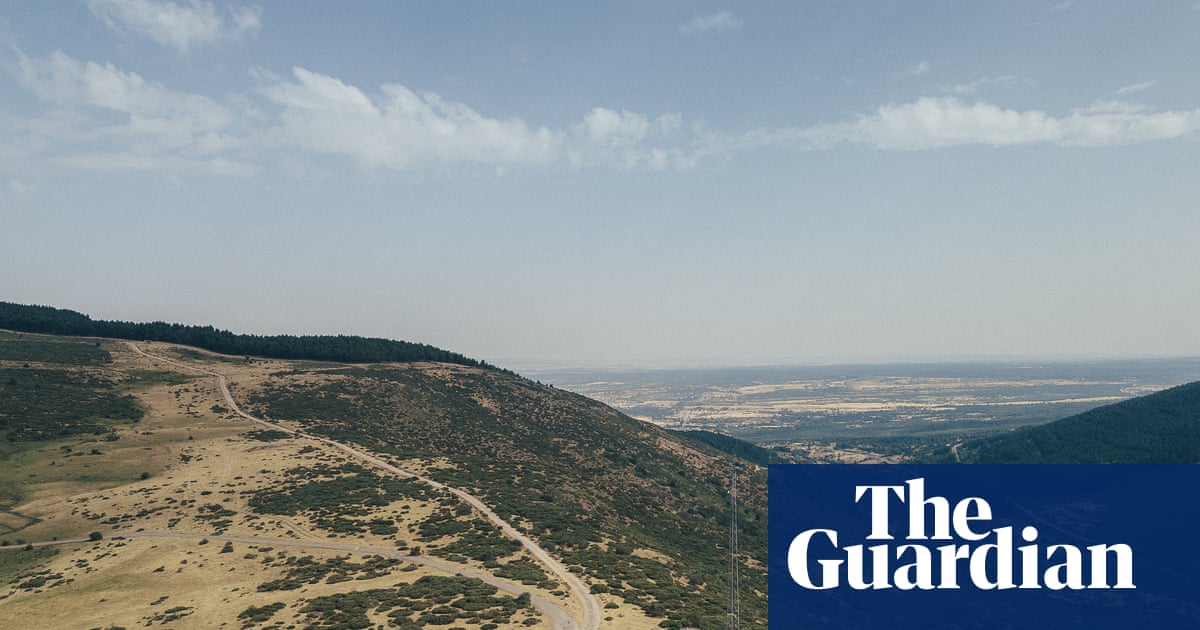
A quiet mountain community in central Spain is preparing for an unprecedented influx of visitors as it positions itself as a premier viewing location for a total solar eclipse. Somosierra, a village with fewer than one hundred residents, sits at an altitude that offers clear skies and optimal visibility for the celestial alignment scheduled for August 12. This event marks the first time in over a century that northern and eastern Spain will experience such a phenomenon, drawing attention from both domestic and international observers.
The sudden spotlight has created immediate logistical challenges for local authorities. While the village council has allocated four hundred official registration slots for the event, officials anticipate that actual attendance could reach five times that number. With estimates suggesting up to two thousand people may arrive, the small community faces pressing questions regarding infrastructure capacity. Key concerns include adequate parking spaces, sufficient water supplies, and the ability of local businesses to handle the demand for food and services.
Irma López Muñoz, the tourism manager for Somosierra, noted that extensive media coverage has generated significant interest among residents of Madrid and visitors from abroad. The proximity to a major European capital means many potential attendees may arrive without prior planning or information. This unpredictability complicates efforts to manage crowd control and ensure public safety, as spontaneous arrivals are difficult to forecast or regulate effectively.
To address these risks, local leaders have begun coordinating with police and civil protection agencies well in advance of the eclipse. A primary focus has been on educating the public about the dangers of viewing the sun without proper equipment. Volunteers are being recruited and trained by El Nocturnario, a company specializing in astrotourism, to help steward the event. These training sessions cover not only the scientific aspects of eclipses but also practical logistics such as crowd management and emergency response protocols.
María Gradaille, one of the volunteers participating in the preparation efforts, expressed enthusiasm for contributing to what she described as a historic scientific milestone. She emphasized the importance of understanding the potential hazards associated with solar observation, particularly the risk of severe eye damage from improper viewing methods. The training aims to equip local residents with the knowledge necessary to assist visitors safely and responsibly during the brief period of totality.
On a national level, the Spanish government has recognized the broader economic implications of this astronomical event. A special committee has been established to oversee a series of eclipses occurring over the next few years, including a major event in August 2027 and another in January 2028. Officials believe these occurrences will position Spain as a central hub for global astronomical observation and tourism. The current eclipse is projected to attract approximately 446,000 additional visitors, contributing to a potential record year for the country's tourism sector.
Economic forecasts suggest that the August event alone could generate an extra €342 million in tourist revenue. This financial boost comes as Spain approaches the milestone of one hundred million annual tourists for the first time. Government spokesperson Elma Saiz Delgado highlighted the strategic importance of these events, noting their potential to elevate the country's profile in the global travel market. The anticipated influx represents a significant opportunity for regional economies that may not typically benefit from large-scale tourism.
Despite the optimism surrounding economic gains, local experts note that authorities were initially skeptical about the scale of interest. Sarai de la Hoz, co-founder of El Nocturnario, recalled that early discussions about the eclipse's impact were met with doubt regarding visitor numbers. However, as the date approaches, demand for professional guidance and logistical support has increased substantially. This shift reflects a growing awareness among officials of the complexities involved in hosting large crowds for rare natural phenomena.
The preparation efforts in Somosierra serve as a microcosm of the broader challenges facing regions experiencing sudden surges in astrotourism. Balancing the desire to capitalize on economic opportunities with the need to maintain public safety and preserve local tranquility requires careful planning. As the eclipse date nears, the village remains focused on managing expectations and ensuring that the event proceeds smoothly for both residents and visitors.
Looking ahead, the success of this event will likely influence how other Spanish communities prepare for future astronomical occurrences. The lessons learned from coordinating volunteer efforts, managing infrastructure limits, and engaging with emergency services could provide a template for handling similar situations. For now, Somosierra stands ready to welcome the sky-gazers, hoping that the temporary disruption will yield lasting benefits for its small but resilient community.
Sources behind this briefing
Go to the original reporting
- The Guardian World↗Spanish mountain village braces for astrotourists lured by total solar eclipse