The short version
- Spanish Prime Minister Pedro Sánchez stated there is no intelligence evidence linking the Moroccan government to the recent mass border crossing into Ceuta.
- Approximately 70,000 people entered the enclave in late July, resulting in at least 141 deaths and a lingering humanitarian crisis with hundreds remaining.
- Political opposition accuses the government of negligence, while Sánchez blames criminal gangs and foreign disinformation campaigns for orchestrating the event.
Spanish Prime Minister Pedro Sánchez has firmly rejected suggestions that the Moroccan government orchestrated the massive border incursion into the Spanish enclave of Ceuta last month. Speaking to Cadena Ser radio, Sánchez emphasized that intelligence agencies have provided no information indicating state involvement from Rabat. He described current bilateral cooperation as positive and stressed that resolving the crisis requires trust rather than suspicion, which he argued would only exacerbate the complex situation in North Africa.
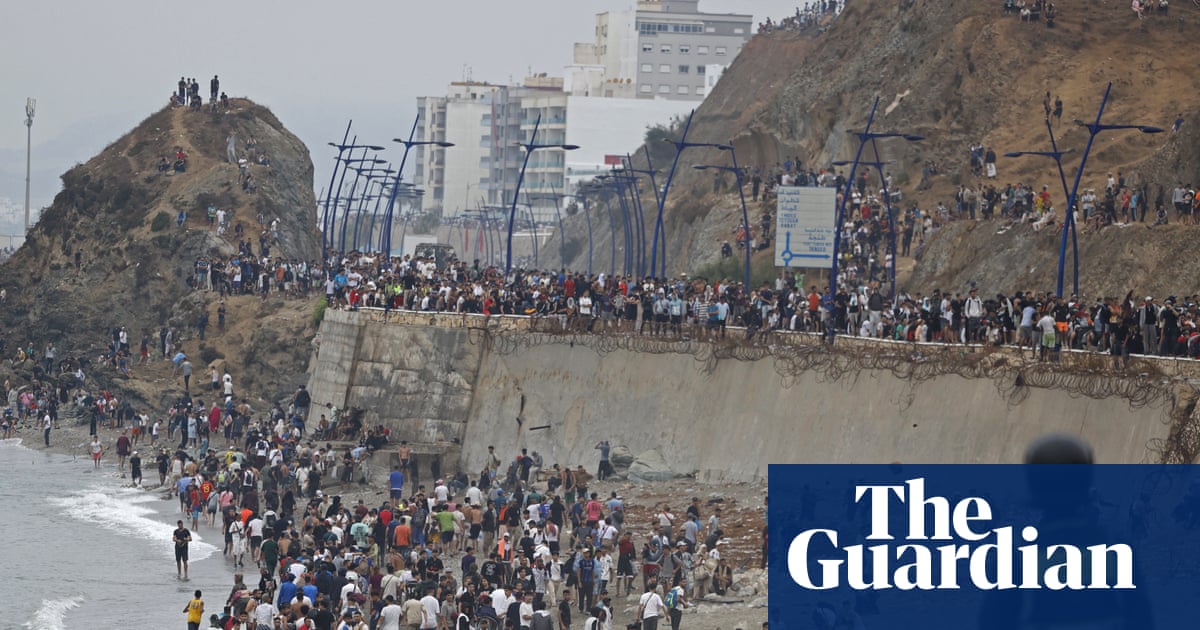
The incident, which occurred at the end of July, involved approximately 70,000 men, women, and children attempting to enter Ceuta. The scale of the movement triggered a severe political crisis within Spain and reignited broader debates over immigration policy across the European Union. Tragically, as many as 141 individuals are believed to have died during the attempt to cross the border fence, marking one of the deadliest migration events in recent memory.
While the vast majority of those who crossed have since returned to Morocco, a significant number remain in Ceuta. Sánchez reported that roughly 1,500 migrants are still present in the enclave, including 1,200 minors. Authorities indicate that sufficient accommodation capacity will soon be available for all remaining individuals. However, their continued presence on the streets has created friction with local residents and strained public order.
Tensions have escalated into physical confrontations between some Ceuta residents and police forces. Reports indicate that migrants sleeping rough on beaches have had their belongings burned by locals. In a recent incident, four Moroccan nationals were arrested for throwing stones at Spanish soldiers. These clashes highlight the growing social strain in the city as it grapples with the aftermath of the influx.
Sánchez attributed the incursion to criminal gangs that exploited disinformation to manipulate potential migrants. He claimed these groups falsely spread rumors that a ruling by Spain’s supreme court prevented the deportation of anyone who entered Ceuta by swimming. This misinformation, according to the prime minister, was amplified by social media accounts linked to Russia, Israel, and international far-right movements, which he accused of using migration issues to attack both Spain and Europe.
The political fallout in Madrid has been intense. The conservative People’s Party has criticized the government for failing to prevent the breach on July 30 and for inadequately managing the subsequent public order crisis. Alberto Núñez Feijóo, leader of the PP, asserted that the administration did nothing to avoid the invasion or stop the worsening situation, framing the response as a failure of governance.
Far-right Vox party leader Santiago Abascal offered even sharper criticism, characterizing the events as an act of war promoted by Morocco and enabled by Sánchez. Abascal accused the prime minister of being subservient to Rabat and incapable of responding effectively. These accusations reflect deep divisions within Spanish politics regarding migration policy and diplomatic relations with North African neighbors.
Despite the domestic political pressure, Sánchez maintains that cooperation with Morocco is essential for a resolution. He warned against narratives that undermine trust between the two nations, arguing that such approaches would aggravate an already difficult scenario. The focus remains on managing the humanitarian aspects of the crisis while addressing the security concerns raised by the mass movement.
The situation in Ceuta continues to evolve as authorities work to house remaining migrants and restore order. The incident has underscored vulnerabilities in border management and the potential for disinformation to drive large-scale migration movements. As Spain navigates this diplomatic and humanitarian challenge, the emphasis remains on collaborative solutions rather than assigning blame to neighboring states.
International observers note that the crisis highlights broader tensions within the EU regarding migration pressures on southern borders. The death toll and the scale of the incursion have prompted renewed scrutiny of border control measures and international cooperation frameworks. Spain’s response will likely influence future policy discussions both domestically and across European institutions.
Sources behind this briefing
Go to the original reporting
- The Guardian World↗Morocco not to blame for Ceuta border breach, says Spanish PM

