The short version
- Sixty-nine people died in a recent collision near Urda, adding to forty-six fatalities from a similar crash in Adamuz earlier this year.
- Transport Minister Oscar Puente resigned amid growing public outrage and accusations of systemic negligence regarding rail safety infrastructure.
- The ruling socialist coalition faces severe political headwinds as opposition parties exploit the tragedies to challenge Prime Minister Pedro Sanchez’s leadership.
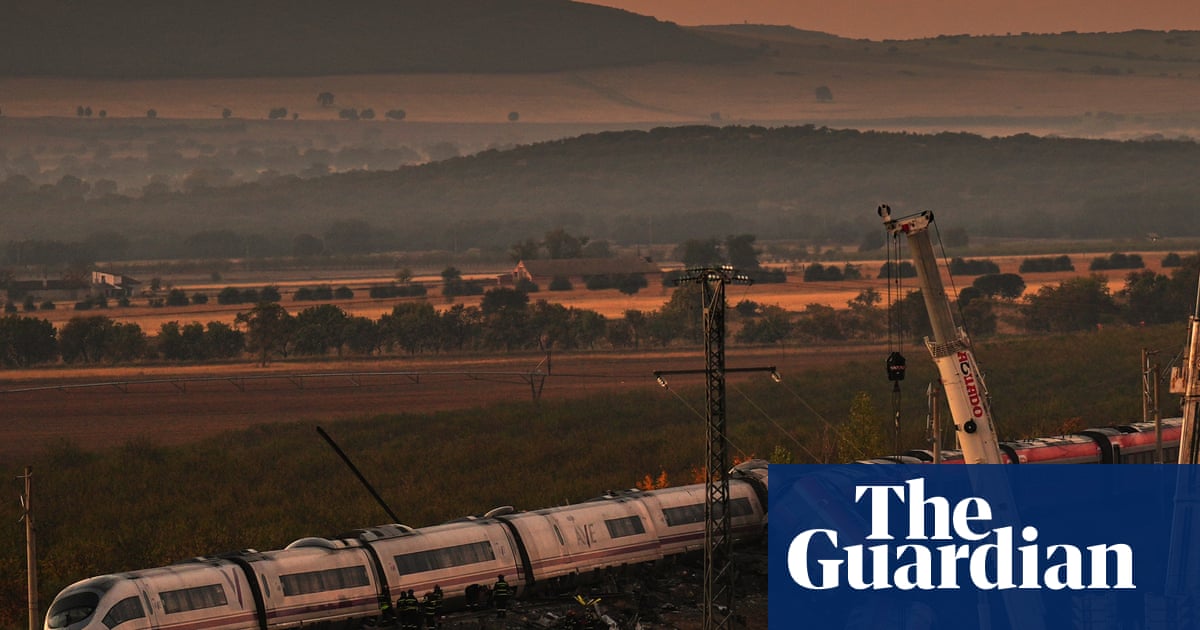
Spain is grappling with a profound crisis of confidence in its high-speed rail network following two deadly collisions within nine months. The latest incident occurred on Wednesday morning when a state-operated Renfe train struck a stationary private Iryo service near the town of Urda in Castilla-La Mancha. This accident claimed sixty-nine lives and injured more than one hundred others, compounding the trauma from a January derailment near Adamuz that killed forty-six people. The recurrence of such catastrophic failures on the same Madrid-to-Seville line has triggered widespread grief and anger across the country.
The immediate aftermath in Urda mirrored scenes from the earlier disaster, with local residents rushing to assist victims and municipal buildings quickly converted into emergency triage centers. Survivors described harrowing conditions inside the wreckage, including severe injuries and fatalities that shocked even those accustomed to emergency response. One passenger recounted helping an American traveler escape the debris while witnessing others suffer mutilations and fatal trauma. These visceral accounts have underscored the human cost of the systemic failures now under intense scrutiny.
Prime Minister Pedro Sanchez acknowledged that public trust in the high-speed system has been irreparably damaged. His socialist-led coalition government is now attempting to rebuild credibility, a task made significantly more difficult by the proximity of a snap general election scheduled for less than a month away. The political atmosphere has become increasingly volatile as citizens demand accountability for what many view as long-neglected safety standards. The government’s ability to project competence and stability is being tested by these consecutive tragedies.
In response to the mounting pressure, Transport Minister Oscar Puente announced his resignation on Tuesday evening. He stated that neither he nor the nation could bear the weight of one hundred deaths in less than a year. While Puente has denied allegations of mismanagement and maintained that the railway system remains safe, his departure marks a significant concession to public outrage. The resignation does not resolve the underlying questions about infrastructure maintenance and regulatory oversight that have plagued the sector for years.
Opposition parties are seizing on the disasters to intensify their attacks on the ruling administration. Alberto Nunez Feijoo, leader of the conservative People’s Party, accused Sanchez’s government of failing to ensure citizen safety and suggested moral failings within the leadership. He argued that the current administration lacks both competence and integrity, framing the rail crashes as evidence of broader governance issues. With polls indicating his party may lead in the upcoming vote, Feijoo is leveraging the public’s anger to consolidate support.
The far-right Vox party has been even more aggressive in its rhetoric, accusing the government of effectively killing the victims through incompetence and corruption. Vox leaders have called for a Supreme Court investigation into Puente, alleging manslaughter and gross negligence regarding infrastructure improvements. They argue that years of insufficient investment in maintenance have created a dangerous environment for passengers. These accusations reflect a broader narrative of systemic neglect that resonates with many voters disillusioned by recent political scandals.
The rail tragedies come at a particularly vulnerable time for Sanchez’s government, which has already faced criticism over corruption scandals involving his inner circle and its handling of the mass migration crossing into Ceuta this summer. While there were signs of modest recovery in public support prior to the Urda crash, the latest incident has likely derailed any momentum toward re-election. The combination of economic concerns, security challenges, and now transportation safety failures presents an formidable obstacle for the ruling coalition.
As the election approaches, the focus remains on how these disasters will influence voter behavior and policy priorities. There is concern that the politicization of the tragedies may overshadow necessary technical solutions to rail safety issues. The government must balance immediate political survival with long-term reforms to restore faith in public infrastructure. Until then, Spain’s rail network remains a symbol of both national pride and profound vulnerability.
Sources behind this briefing
Go to the original reporting
- The Guardian World↗Spain’s deadly train crashes have damaged public confidence in the system


