The short version
- At least 68 people died and over 100 were injured when a state-owned Renfe train struck a stationary private Iryo train near Madrid on Wednesday morning.
- Officials report that a computer failure halted traffic, but control centers inexplicably cleared the path without speed restrictions, leading to the collision.
- The incident marks Spain’s second major rail tragedy this year, sparking protests, calls for resignations, and demands for an independent infrastructure review ahead of national elections.
Spain has entered a three-day period of official mourning following a catastrophic high-speed rail collision that killed at least 68 people and injured more than 100 others. The accident occurred on Wednesday morning when a train operated by the state-owned company Renfe struck from behind another train run by private operator Iryo. Both trains were traveling south from Madrid toward Andalusia on the same line where a deadly crash took place earlier this year. The impact was severe enough to knock several carriages off the tracks and down an embankment near the municipalities of Mora and Orgaz, approximately 140 kilometers south of the capital.
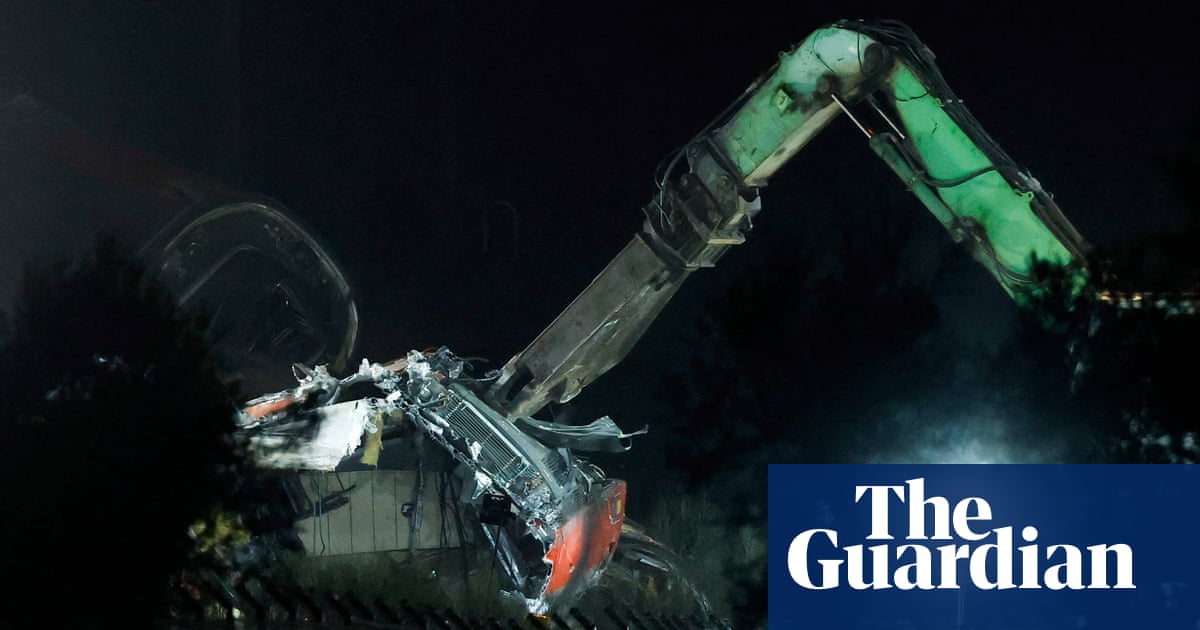
Emergency responders worked through the night under floodlights to cut open mangled metal carriages and search for survivors. Rescue teams utilized drones and helicopters to locate victims trapped in the wreckage, while hospitals in the region suspended planned surgeries to accommodate the influx of casualties. Authorities reported that 15 injured passengers were in critical condition, with dozens more requiring treatment for serious injuries. The Spanish Civil Guard established identification centers in Madrid, Toledo, Córdoba, and Seville to collect DNA samples from relatives seeking information about missing loved ones. A local school in Urda was converted into a support hub where Red Cross workers assisted grieving families.
Preliminary investigations point to a systemic failure in the railway’s control mechanisms. Transport Minister Óscar Puente stated that a computer error initially caused six moving trains, including the two involved in the crash, to halt. Under standard protocol, a 24-hour control center in Madrid assumes command during such failures. However, officials described the subsequent decision by controllers to allow traffic to resume without imposing speed restrictions as inexplicable. Audio recordings suggest that one train was given clearance to proceed despite another vehicle remaining stationary on the tracks ahead. This lapse appears to have directly enabled the Renfe train to collide with the stopped Iryo service.
The disaster has reignited urgent debates about the safety of Spain’s rail network, particularly because it is the second fatal high-speed accident in less than a year. In January, 46 people died when trains collided near Córdoba on the same Madrid-to-Seville route. Prime Minister Pedro Sánchez visited the crash site and declared it unacceptable for the country to suffer two such tragedies in a single year. He promised that any negligence or security system failures would be addressed with utmost severity. The opposition People’s Party leader, Alberto Núñez Feijóo, demanded an immediate and independent review of the entire national rail infrastructure, asserting that citizens have a right to know the condition of public transport systems.
Public reaction has been volatile, with thousands gathering outside the Transport Ministry in Madrid to demand accountability. Protesters called for the resignations of Prime Minister Sánchez and Transport Minister Puente. Police used tear gas to disperse crowds after demonstrators threw bottles and flares, though no arrests were reported. Political campaigning for next month’s parliamentary elections was largely suspended by major parties as a sign of respect, although the far-right Vox party continued its activities, arguing that mourning should not silence criticism of infrastructure management. Rail drivers also announced they would proceed with a planned strike, framing their action as a defense of railway safety standards.
The human toll extends beyond the immediate casualties, with reports indicating that prominent figures were among those missing or killed. A former minister for the People’s Party and several foreign tourists were listed among the victims. José Manuel Chacón, a 31-year-old Civil Guard agent, was among the first identified deceased. The Spanish Confederation of Business Organizations confirmed that Fátima Báñez, who heads its foundation, was on board one of the trains. Blood donation centers in Madrid and Castilla-La Mancha issued urgent appeals for supplies, anticipating increased medical needs as rescue operations continued.
International solidarity has been expressed through diplomatic channels. The European Union lowered flags to half-mast in Brussels, with the European Commission describing the gesture as a sign of support during Spain’s mourning period. EU officials stated they were ready to assist Spain if necessary. As recovery efforts persist, authorities acknowledge that identifying all victims will be a complex and lengthy process due to the severity of the wreckage. Psychologists warn that the trauma for survivors and families will be profound, noting that many are still in shock or struggling to comprehend the scale of the loss.
The coming days will likely focus on determining the precise technical and administrative failures that led to the collision. Investigators are examining why control centers failed to enforce speed limits after a system outage, a critical safeguard designed to prevent exactly this type of accident. The outcome of this inquiry could reshape regulations for Spain’s high-speed rail network and influence public trust in transportation safety ahead of the national elections. For now, the nation remains focused on the immediate aftermath, with communities holding vigils and families waiting for news about their missing relatives.
Sources behind this briefing
Go to the original reporting
- NPR↗Spain reckons with 2nd deadly train crash of the year ahead of national election
- The Guardian World↗Spain begins mourning period after deadly train crash
- BBC World↗What we know so far about deadly Spain train crash
- BBC News↗Spain begins three days of mourning after train crash kills dozens


