The short version
- Spain has initiated temporary border inspections for visitors arriving from Italy, a direct response to Rome's refusal to remove its own entry restrictions.
- The diplomatic dispute stems from Italy's decision to screen third-country nationals entering from Spain after tens of thousands crossed into Ceuta from Morocco in late July.
- While Spanish officials condemn the measures as discriminatory and damaging to European unity, Italian leaders maintain that security concerns justify the continued controls.
Spain has announced the implementation of temporary border checks on visitors arriving from Italy, marking a significant escalation in tensions between two key European Union and NATO allies. The Spanish interior ministry confirmed that these reciprocal measures will commence at midnight on Saturday and remain in effect until September 7. This decision follows a diplomatic standoff in which Madrid threatened countermeasures if Rome did not swiftly lift its own border controls, a demand that Italian officials firmly rejected.
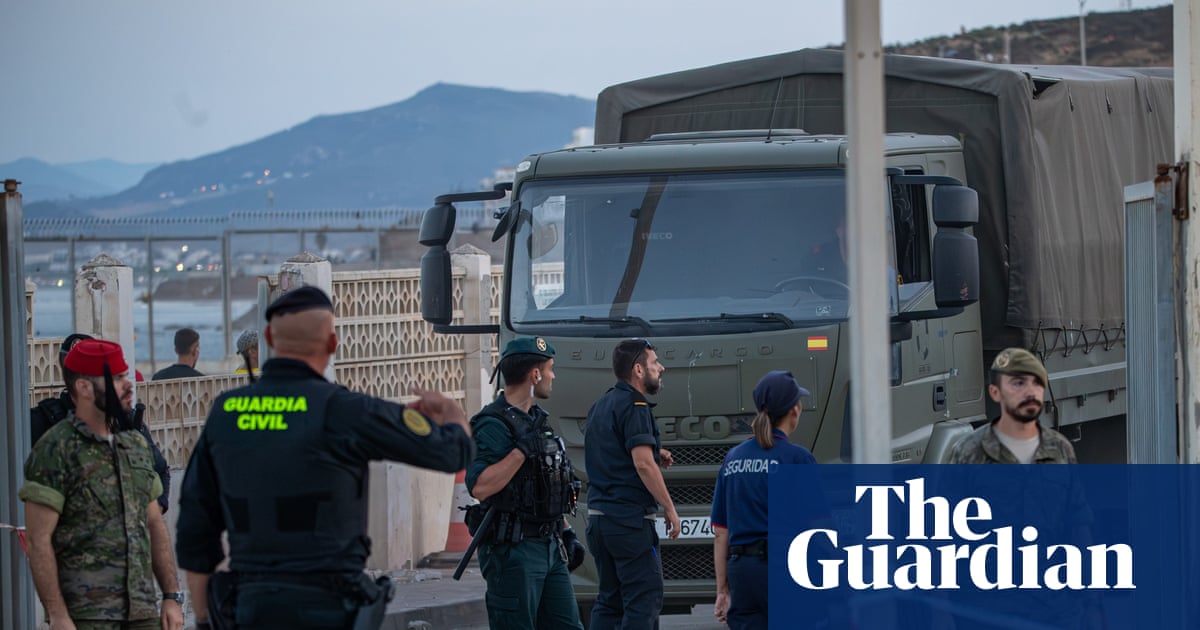
The conflict originates from the unprecedented migration crisis that unfolded in late July, when tens of thousands of people rushed from Morocco into Spain’s North African territory of Ceuta. The event, described by authorities as deadly and chaotic, prompted several EU leaders to call for stricter immigration enforcement. Italy, facing its own persistent irregular migration pressures, responded by imposing border checks on travelers arriving from Spain. These controls, announced on July 31, were characterized by Italian Prime Minister Giorgia Meloni as an extraordinary measure necessary to safeguard national security.
Italian authorities specified that their border controls target third-country nationals entering via maritime and air routes from Spain. The restrictions are intended to prevent potential repercussions for Italy amid fears of a new wave of migration. Meloni’s office stated that the government had no intention of revising the decision before August 15, a date when Spanish authorities reportedly expected further arrivals in Ceuta. Italian officials emphasized that they do not accept ultimatums regarding national security and border control matters.
Spanish leadership has strongly criticized Italy’s actions, describing them as unfair and contrary to the interests of the European Union. Foreign Minister José Manuel Albares characterized the Italian measures as a torpedo fired at the hull of European unity, urging Rome to treat Spanish citizens like other Europeans. The Spanish government warned against creating rifts driven by internal electoral motives and expressed hope that pro-European sentiment and good faith would ultimately prevail in resolving the dispute.
Despite the diplomatic friction, both nations remain committed to ensuring ease of movement for their own citizens and other European nationals not affected by the checks. Italian border authorities stated they would do their utmost to facilitate travel for those exempt from the controls. Meanwhile, Spanish police have been monitoring social media and online rumors regarding potential fresh arrivals in Ceuta during mid-August, although officials have not explicitly confirmed expectations of a repeat of the previous week’s events.
The human toll of the initial crisis remains a point of contention between official figures and independent estimates. Spanish authorities reported that 80 people died during the crossings into Ceuta, with approximately 70,000 of the 72,000 entrants having returned to Morocco. However, Moroccan rights groups, including the Moroccan Association for Human Rights and the European Coordination for Human Rights in Morocco, estimate the death toll to be at least 141, suggesting the number may rise further. Morocco’s interior ministry confirmed 11 deaths on its side of the border, with all but one resulting from drowning.
Those who remain in Ceuta face severe humanitarian challenges, including hundreds of unaccompanied children living in dire conditions with limited access to food, water, and shelter. The situation underscores the complex interplay between migration pressures, national security concerns, and European solidarity. As both countries navigate this diplomatic impasse, the temporary border checks serve as a tangible symbol of the strain on Schengen-area cooperation.
The dispute highlights broader challenges within the EU regarding irregular immigration and the balance between open borders and national sovereignty. While Italy seeks to prevent any potential influx of migrants through Spanish territory, Spain views the restrictions as discriminatory and damaging to regional unity. The coming weeks will likely see continued diplomatic efforts to resolve the issue, with both sides maintaining their positions on security and cooperation.
As the temporary measures take effect, travelers between Spain and Italy should anticipate additional scrutiny at border points. The situation remains fluid, with both governments monitoring developments closely. The outcome of this standoff could have lasting implications for European migration policy and the integrity of the Schengen zone, reflecting deeper divisions over how member states manage shared security challenges.
In the absence of a swift resolution, the reciprocal checks represent a rare breach in the seamless travel framework that has defined much of modern Europe. The incident serves as a reminder of the fragility of European unity when confronted with acute migration crises and differing national priorities. Both nations now face the task of managing immediate security concerns while preserving long-term diplomatic relations.
Sources behind this briefing
Go to the original reporting
- The Guardian World↗Spain to introduce temporary border checks on visitors from Italy

