The short version
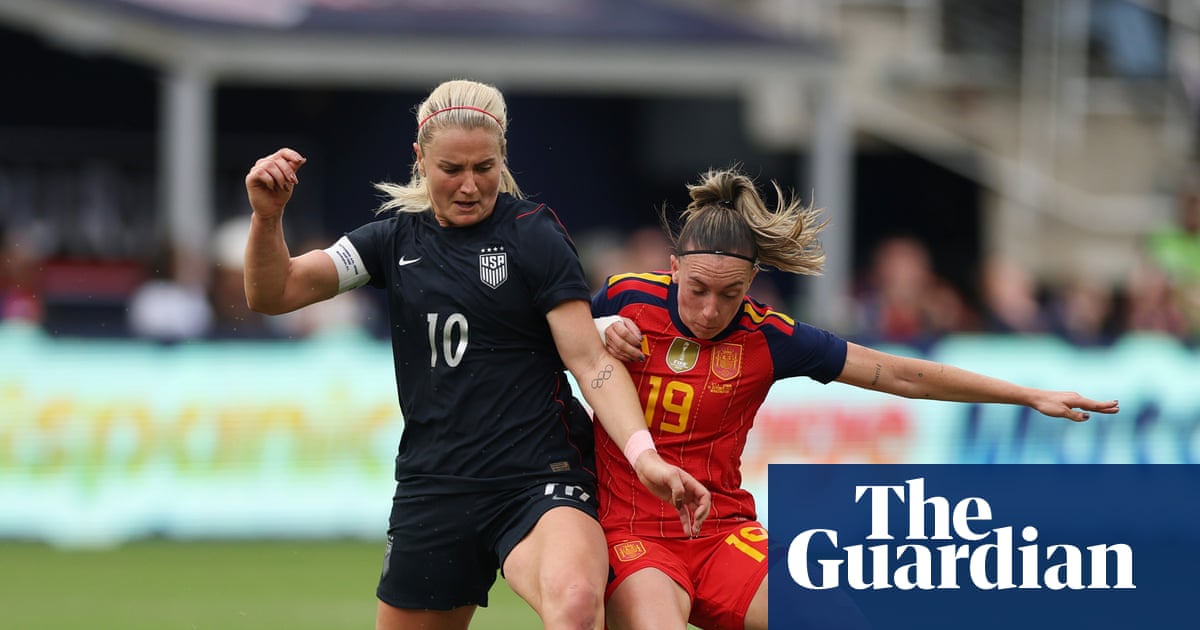
- Spain defeated the United States women's national team 2-0 in Washington DC, scoring twice within the first fourteen minutes of play.
- Both squads fielded incomplete rosters due to significant injuries and withdrawals, limiting the match's value as a direct preview of upcoming World Cup contention.
- The US team struggled with midfield control and defensive positioning early on but increased their shot volume in the second half without converting chances.
The United States women's national soccer team faced a challenging test against Spain in Washington DC, falling to a 2-0 defeat that underscored persistent tactical vulnerabilities. The match served as the first of two scheduled friendlies between the nations, occurring less than a year before the Women’s World Cup in Brazil. While both teams are projected to be top contenders for the tournament, with Spain holding the number one FIFA ranking and the US securing gold at the 2024 Paris Olympics, this encounter was marked by significant roster limitations rather than full-strength competition.
Spain established dominance early, capitalizing on defensive lapses to score twice in the opening fourteen minutes. Patri Guijarro opened the scoring in the third minute with a long-range effort after the US failed to maintain shape following a turnover. Just eleven minutes later, Eva Navarro added a second goal, finishing a cross from Salma Paralluelo who had isolated defender Tierna Davidson. These early concessions forced the American squad into a reactive posture, with players huddling above the penalty area in an attempt to regroup after conceding for the first time under head coach Emma Hayes.
The absence of key personnel on both sides complicated the narrative of the match. The US team was without central defender Naomi Girma and midfielder Sam Coffey, two figures critical to their defensive structure. Spain also fielded a depleted roster, missing star player Aitana Bonmatí along with Vicky Lopez, Mariona Caldentey, and Cata Coll due to injury. Additionally, Clàudia Pina and Mapi León withdrew from the camp shortly before the game. Despite these gaps, Spain maintained composure and precision, while the US struggled to find rhythm in their passing and positioning during the initial phase of play.
Midfield coordination proved particularly problematic for the Americans in the first half. Players such as Rose Lavelle, Lily Yohannes, and Lindsey Heaps faced difficulties in linking up effectively, leading to turnovers and missed opportunities. Sophia Wilson attempted several forward runs but often mistimed her movements or saw passes go astray. The lack of cohesion allowed Spain to control the tempo and exploit spaces behind the US defensive line. Coach Emma Hayes acknowledged the severity of the early deficit, noting that falling behind against the world’s top-ranked team requires immediate correction and learning.
The second half saw a marked improvement in American performance as they adjusted their pressing strategy. The US increased their shot volume significantly, outshooting Spain 13-6 for the match, while preventing any further shots on target by the Spanish side. However, converting these chances into goals remained elusive. Sophia Wilson thought she had equalized in the 53rd minute, but the goal was disallowed after a video review confirmed an offside position. The team’s inability to capitalize on created opportunities highlighted a gap between possession and execution.
A critical moment occurred in the 67th minute when the US earned a penalty kick after Natalia Ramos fouled Sophia Wilson inside the box. Lily Yohannes was selected to take the spot-kick, a surprising choice given her limited experience in such situations compared to regular takers like Wilson or Lindsey Heaps. Yohannes’s attempt was saved by Spanish goalkeeper Adriana Nanclares, keeping the scoreline unchanged. The miss underscored the high stakes of individual moments in tight matches and the pressure placed on younger players to deliver under scrutiny.
The match also featured notable returns for veteran players. Mallory Swanson made her first appearance in 710 days following maternity leave, while Ashley Sanchez was recalled to the national team amid a strong season with her club side. Their inclusion signaled efforts to blend experience with emerging talent as the team prepares for future competitions. Forward Trinity Rodman emphasized the importance of treating these friendlies as stress tests rather than definitive judgments, suggesting that lessons learned now will be crucial before the World Cup qualifiers begin next month.
Looking ahead, the US must navigate a regional qualifying tournament to secure their spot in Brazil, whereas Spain has already booked their place. The upcoming rematch in Chester, Pennsylvania, offers another opportunity for both teams to refine their strategies and assess player form. While the current results may raise concerns about defensive stability and finishing efficiency, the controlled environment of friendlies allows coaches to experiment without the immediate consequences of competitive play. The focus now shifts to addressing these issues before higher-stakes matches commence.
Sources behind this briefing
Go to the original reporting
- The Guardian US↗USWNT exposed by ruthless Spain as early goals settle heavyweight friendly