The short version
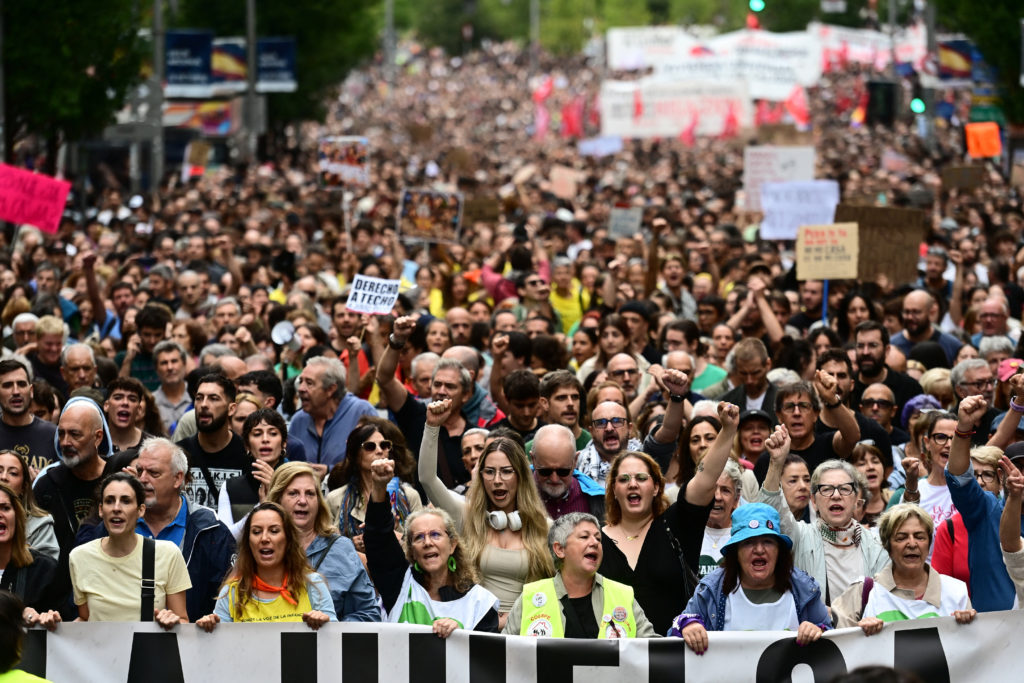
- Tens of thousands of demonstrators marched across Spain after lawmakers blocked emergency measures designed to curb rising rents and restrict evictions.
- The protests were catalyzed by the highly publicized removal of an 87-year-old woman from her long-term residence, which intensified public anger over housing affordability.
- Prime Minister Pedro Sánchez has scheduled early general elections for late November, aiming to capitalize on voter frustration with the current housing crisis.
A wave of mass demonstrations has swept through major Spanish cities following the parliamentary rejection of emergency legislation intended to address the nation's severe housing affordability crisis. Tens of thousands of citizens took to the streets in Madrid, Valencia, and other urban centers, demanding immediate government intervention to protect renters. The political fallout from these events prompted Prime Minister Pedro Sánchez to announce early general elections scheduled for November 29, a move widely interpreted as an attempt to leverage public anger against conservative opposition parties who voted down the proposed measures.
The immediate catalyst for this surge in civil unrest was the eviction of María del Carmen Abascal, an 87-year-old woman who had lived in her downtown Madrid apartment for seven decades. Images of Abascal being carried on a stretcher by police after authorities cordoned off the street sparked widespread outrage and became a symbol of the broader struggle against soaring rental costs. Although a real estate company involved in the case eventually reached an agreement allowing her to return to her home, she remains hospitalized, and protesters have maintained encampments in key public squares such as Madrid's Puerta del Sol and Barcelona's Plaza Catalunya.
Demonstrators have vowed to remain in these encampments until the government implements concrete steps to safeguard tenants. The protests escalated significantly when lawmakers from conservative opposition parties joined forces to reject the ratification of emergency measures on Friday. These proposed policies included restrictions on evictions, curbs on property speculation, and provisions for indefinite leases. The rejection has placed immense pressure on Sánchez's progressive administration, which had sought to address the entrenched issues affecting household budgets.
The housing crunch in Spain has been developing over several years, disproportionately impacting young people and low-income residents who are unable to purchase homes due to a limited stock of rental properties. Data from real estate platforms indicates that average rents have nearly doubled over the past decade. The price per square meter rose from approximately 8.20 euros in 2016 to 15.10 euros this year, reflecting a steep increase in housing costs that has outpaced income growth for many citizens.
Government statistics highlight the severity of the financial burden on renters. Approximately 26% of Spaniards who rent housing spend an average of 40% of their income on rent and utilities. This figure stands in stark contrast to the European Union average, where only 18% of renters face such high costs. The disparity underscores the unique challenges within the Spanish market, where government-owned rental properties represent less than 2% of the available stock, compared to an EU average of 8%.
Violence erupted in Valencia during a real estate summit held at the City of Arts and Sciences. Police used tear gas, rubber bullets, and batons to disperse protesters who breached security perimeters. Demonstrators responded by throwing barriers, leading to altercations between law enforcement and civilians. While there were no immediate reports of serious injuries, the use of force drew criticism and added to the tense atmosphere surrounding the housing debate.
Critics of the current system blame real estate speculators and short-term rental platforms for driving up prices and reducing long-term availability. The eviction of Abascal, who uses a wheelchair, resonated deeply because it highlighted the vulnerability of elderly residents facing displacement for profit. Her statement from a hospital bed, expressing hope that her struggle would inspire others to defend their homes, has been widely circulated among protesters carrying signs with slogans demanding an end to such evictions.
As the election date approaches, the housing crisis remains a central issue in Spanish politics. The government's decision to call early elections suggests a strategic calculation that voter dissatisfaction with housing policies could translate into electoral support. However, the effectiveness of this strategy depends on whether the proposed emergency measures can be revived or replaced with viable alternatives before the vote. The coming weeks will likely see intensified political maneuvering as both sides attempt to frame the narrative around housing affordability and tenant rights.
The situation illustrates the broader tension between market forces and social welfare in modern European economies. Spain's low ranking in government-owned rental housing exacerbates the problem, leaving many citizens exposed to volatile market conditions. The protests reflect a growing demand for structural reforms that prioritize access to affordable housing over speculative investment. Whether the upcoming elections will result in meaningful policy changes remains uncertain, but the public outcry has clearly shifted the political landscape.
International observers note that Spain's housing crisis mirrors trends seen in other countries, but the specific combination of high rental costs and low public housing supply creates a unique pressure point. The government's previous attempts to address the issue through emergency measures were blocked by opposition parties, highlighting the deep ideological divides on how to manage real estate markets. As tensions continue to simmer, the outcome of the November elections may determine the direction of housing policy for years to come.
Sources behind this briefing
Go to the original reporting
- PBS NewsHour↗What to know about Spain's housing protests sparked by an 87-year-old woman's eviction