The short version
- Lab-grown brain models will help scientists understand cellular responses to spaceflight stress.
- New testing equipment allows for rapid on-orbit analysis of biological samples without returning to Earth.
- Studies on plant diseases and superbugs aim to improve agricultural yields and infection control both in space and on the ground.
A SpaceX cargo spacecraft is set to launch from Cape Canaveral Space Force Station in Florida, carrying a suite of scientific investigations designed to address critical health challenges for astronauts. This mission, designated as the 35th Commercial Resupply Services flight for NASA, focuses on human physiology, plant biology, and microbial evolution. The experiments are intended to provide data that will support long-duration missions to the Moon and beyond, while also offering insights applicable to medical and agricultural practices on Earth.
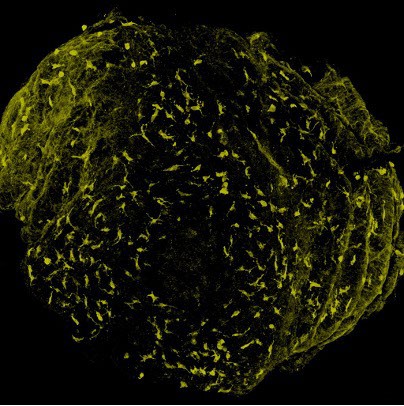
One of the primary investigations involves sending small, laboratory-grown models of the human brain into orbit for a five-week period. Researchers will compare these tissue samples with identical models kept on Earth to observe how microgravity affects brain cells at a fundamental level. This study seeks to clarify how the human brain responds to the physiological stressors of spaceflight. Understanding these cellular changes is considered essential for developing countermeasures that protect astronaut cognitive health during extended journeys away from Earth.
The mission also includes a new precision health investigation aimed at improving diagnostic capabilities in remote environments. A compact microplate reader, which arrived on the station earlier this year, will undergo its first operational test. This device is designed to detect and measure specific biomarkers, including antibodies, antigens, and proteins. By enabling scientists to analyze samples directly aboard the orbital laboratory, the technology eliminates the delay associated with returning physical specimens to Earth for processing.
Rapid on-orbit analysis offers significant advantages for monitoring astronaut health in real time. The ability to quickly identify infections or other medical issues allows for immediate intervention, which is crucial when resupply missions are infrequent or impossible. This capability expands the scope of scientific inquiry in isolated locations, supporting future exploration efforts where timely medical diagnostics could determine mission success and crew safety.
In addition to human health studies, the cargo includes research focused on crop resilience in space. An experiment will examine whether plant diseases progress more rapidly or severely under microgravity conditions. Scientists will compare molecular and structural changes in plants infected with a disease-causing fungus, contrasting those grown on the station with Earth-based counterparts. The goal is to identify vulnerabilities in plant biology that may be exacerbated by the space environment.
The findings from the crop study have implications for both space agriculture and terrestrial farming. In orbit, healthy crops provide essential nutrition, dietary variety, and psychological benefits for crews on long missions. Plants also play a vital role in life support systems by absorbing carbon dioxide, producing oxygen, and recycling water. On Earth, understanding how fungi interact with plants in altered gravity could inform breeding programs aimed at developing more disease-resistant varieties, potentially reducing yield losses in global agriculture.
A fourth investigation addresses the persistent threat of antibiotic-resistant bacteria. This precision health study marks its final planned deployment on the space station. Astronauts will repeatedly sample various surfaces throughout the laboratory to monitor how drug-resistant organisms survive and evolve in microgravity. Tracking these pathogens helps researchers understand the mechanisms behind bacterial adaptation in isolated, closed environments.
The data collected from monitoring superbugs in space could lead to improved infection control strategies for future missions. Furthermore, these insights may shed light on how antibiotic resistance develops on Earth, particularly in relation to the overuse of medications. By studying these organisms in a unique environment, scientists hope to identify new ways to protect human health against bacterial threats, benefiting both space explorers and populations on the ground.
These investigations are part of NASA’s broader Biological and Physical Sciences division efforts, which leverage the extreme conditions of space to conduct research that is not feasible on Earth. The agency aims to advance fundamental scientific knowledge required for sustained human presence in deep space. By addressing immediate health and safety concerns, these studies lay the groundwork for safer, more efficient exploration while generating valuable data with applications for life on our home planet.
Sources behind this briefing
Go to the original reporting
- NASA↗NASA’s SpaceX CRS-35 Mission to Launch Health Research

