The short version
- Thailand has paused construction on dozens of datacenter projects due to insufficient regulatory frameworks and resource concerns.
- Indonesia halted a major facility in West Java over missing permits and incomplete environmental assessments.
- Malaysia’s Johor state faces potential grid bottlenecks as datacenters consume nearly a quarter of local power.
The rapid expansion of artificial intelligence infrastructure across Southeast Asia has encountered significant regulatory headwinds, with several nations pausing or halting major datacenter projects. This shift marks a departure from the aggressive growth trajectory observed earlier in 2026, when the region appeared poised to become a primary hub for global tech capacity. Authorities in Thailand and Indonesia have intervened directly, citing inadequate oversight mechanisms and severe strain on local utilities as primary reasons for the slowdown.
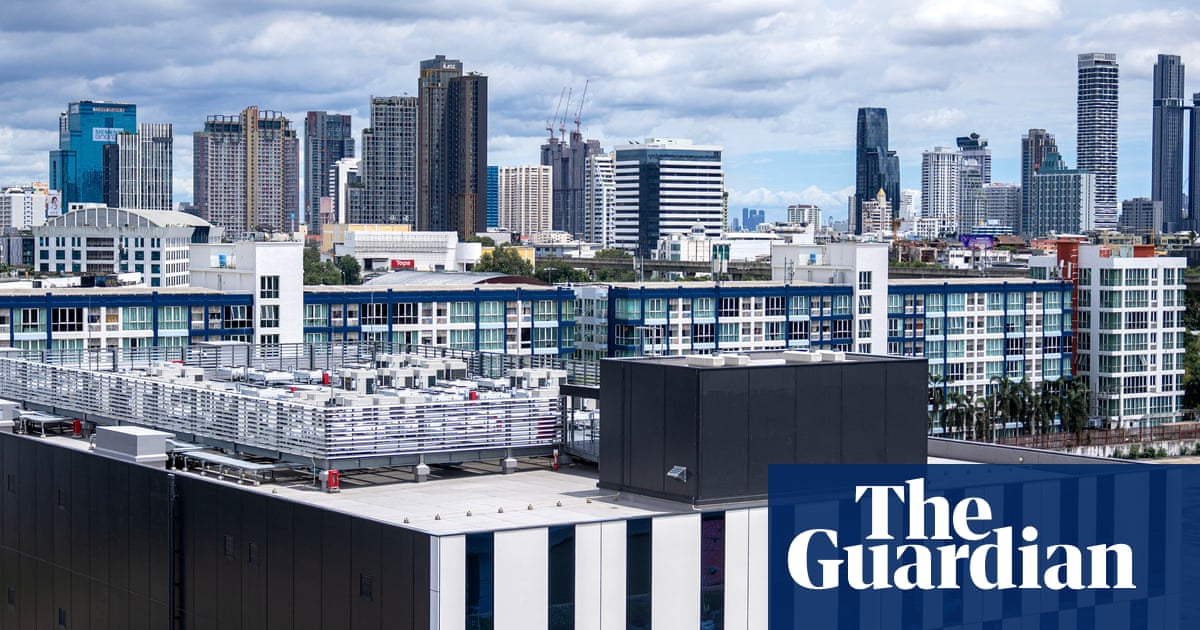
In Thailand, the government suspended construction on forty-nine datacenter initiatives and delayed decisions on one hundred seventeen additional proposals in September 2026. Officials expressed concern that existing regulations lacked sufficient detail to monitor the environmental and operational impact of these facilities. This regulatory freeze follows a period of intense investment activity earlier in the year, which included approved projects from major technology firms totaling twenty-seven billion dollars.
Indonesia has taken similar action, with the governor of West Java stopping construction on a datacenter due to permit violations and an unfinished environmental assessment process. The province is home to significant development pipelines, including nearly one thousand seven hundred megawatts of planned capacity in greater Jakarta. These interventions suggest that local governments are prioritizing procedural compliance and environmental safeguards over rapid industrial expansion.
The region’s surge in datacenter construction has been driven by the global demand for AI processing power, which requires substantial computational resources. While China holds the largest operational capacity in Asia Pacific, Southeast Asia accounts for approximately half of all under-construction facilities in the region. Malaysia and Thailand represent a large portion of this pipeline, attracting billions in investment as companies seek alternatives to Singapore’s restrictive policies.
Singapore, once the dominant datacenter hub in Southeast Asia, imposed a moratorium on new facilities between 2019 and 2022 due to high water and electricity consumption. Since then, approvals have remained selective, with only ninety-five megawatts of operational capacity added between 2023 and 2026. This constraint has pushed developers to neighboring countries, particularly Malaysia’s Johor state, which has seen its operational capacity grow more than tenfold in recent years.
Johor has emerged as the largest datacenter hub in Southeast Asia, attracting forty billion dollars in investment by 2026. Major operators, including Microsoft and AirTrunk, have announced multi-billion dollar expansions in the state. However, this growth is placing unprecedented pressure on local infrastructure. Energy consultancy Wood Mackenzie estimates that datacenters currently account for twenty-four percent of Johor’s total power consumption, a figure projected to rise to forty percent by 2035.
The strain on energy resources has prompted calls for policy changes. Thailand’s energy minister highlighted the reliance on expensive imported gas to power these facilities and proposed a new electricity user category with higher tariffs to reflect the true cost of demand. Analysts warn that rapid development could create localized grid bottlenecks, necessitating significant upgrades to transmission networks and new power supply capacity.
Water scarcity presents another critical challenge, particularly in regions prone to droughts like Johor. Current operational datacenters in the state are estimated to require approximately six hundred seventy-five million cubic meters of water daily. In Indonesia, many facilities use water-cooling systems in hot, humid lowland environments, leading to elevated consumption rates compared to facilities in cooler climates.
Community concerns are mounting in areas where water reservoirs are already depleted. In Thailand’s Eastern Economic Corridor, residents have raised alarms about the impact of datacenter projects on local water supplies, with the Khlong Luang Reservoir identified as a key point of contention. These social and environmental pressures are likely to influence future regulatory decisions across the region.
As Southeast Asian governments grapple with the balance between economic growth and resource sustainability, the pace of datacenter development is expected to slow. The pause in Thailand and Indonesia signals a broader regional trend toward stricter oversight. Future expansion will likely depend on the ability of local authorities to upgrade infrastructure and implement effective monitoring systems to mitigate environmental impact.
Sources behind this briefing
Go to the original reporting
- The Guardian US↗The datacentre arms race hits pause in south-east Asia


