The short version
- The episode focuses on the financial strain of pay-to-play youth sports organizations.
- Characters Craig and Tweek navigate club sports fees to improve college prospects.
- Recent midterm election outcomes are briefly acknowledged at the start of the program.
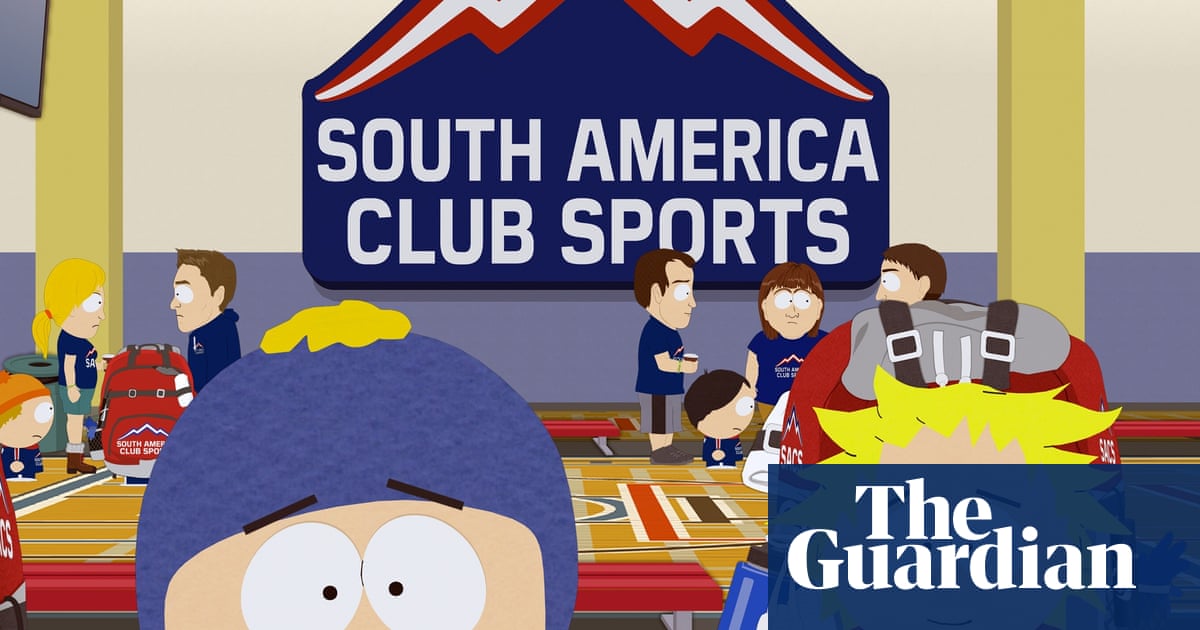
A recent installment of South Park addresses the growing financial demands placed on families participating in youth athletic programs. The episode, titled We Be Clubbin’, centers on the characters Craig and Tweek as they engage with a pay-to-play sports organization. This narrative choice reflects broader concerns about the commercialization of childhood activities and the pressure to secure future educational opportunities through expensive extracurricular involvement.
The storyline begins with a brief reference to the recent United States midterm elections. The show notes a significant political shift but quickly moves past the topic, suggesting that further commentary on the defeated party would lack comedic value. This decision allows the narrative to pivot toward its primary subject matter without lingering on political analysis. The return of PC Principal marks another shift in tone, with the character adopting an emboldened stance on diversity and tolerance.
Craig and Tweek, a couple of elementary school students, have been absent from major storylines for several years. Their return coincides with Craig’s involvement in club sports, which consumes much of his time and attention. Tweek, seeking to reconnect with his partner, decides to join the same athletic program. This decision sets off a chain of events that highlights the logistical and financial challenges associated with competitive youth sports.
The episode illustrates the various fees required for participation in these programs. Costs include try-out fees, assessment charges, parking expenses, spectator tickets, and hotel accommodations for travel games. These expenditures accumulate rapidly, placing a significant burden on the families involved. The narrative suggests that such financial commitments are often justified by the promise of improved college application prospects, similar to other forms of academic tutoring.
Tweek’s experience in the club sports program reveals the competitive nature of these organizations. He is initially placed in a lower tier due to his athletic abilities. However, his status changes when the program owner discovers his relationship with Craig. This revelation leads to their promotion to an elite group, partly influenced by references to the television series Heated Rivalry. The decision underscores the arbitrary nature of advancement within these systems.
The financial strain on Tweek’s family becomes evident as they travel extensively for games and tournaments. Credit card usage increases significantly to cover the mounting costs. The episode portrays this lifestyle as exhausting and unfulfilling, with little tangible benefit beyond the appearance of commitment. The narrative critiques the notion that such investments guarantee future success or happiness.
Craig eventually expresses frustration with the pressure to participate in these programs. He realizes that the stress has negatively impacted his relationship with Tweek and their overall well-being. The two decide to leave the club sports organization, choosing instead to focus on their personal connection and normal childhood experiences. This resolution emphasizes the importance of balance and mental health over competitive achievement.
The episode draws parallels between the anxieties surrounding youth sports and broader societal pressures. A comment made by Tweek suggests that participants are often manipulated by those who exploit their fears for financial gain. While the metaphor is not explicitly extended, it invites viewers to consider the underlying motivations driving such systems. The narrative concludes with a sense of relief as the characters reclaim their autonomy.
Critics note that while the episode effectively highlights the issues with pay-to-play sports, it relies heavily on repetitive jokes about financial costs. The resolution between Craig and Tweek feels somewhat rushed, lacking the depth seen in previous storylines. Nevertheless, the program succeeds in bringing attention to a real-world phenomenon that affects many families across the country.
The inclusion of recent political events adds a layer of topical relevance to the episode. By briefly acknowledging the midterm results, the show situates itself within the current cultural landscape. However, the focus remains firmly on the personal struggles of the main characters and their critique of institutional pressures. This approach allows for a nuanced exploration of modern parenting challenges.
Sources behind this briefing
Go to the original reporting
- The Guardian US↗South Park takes on the expensive, confusing world of club sports – with a nod to Heated Rivalry