The short version
- South Korean police raided Starbucks Korea headquarters and searched executives' residences as part of an investigation into a marketing campaign deemed offensive to victims of the 1980 Gwangju massacre.
- The controversy centered on reusable tumblers named 'SS Tank' and a slogan widely interpreted as referencing the torture death of student activist Park Jong-chul, prompting immediate backlash.
- Shinsegae Group, the majority owner of Starbucks Korea, canceled the promotion, dismissed the chief executive, and issued a televised apology before closing all stores for mandatory historical training.
South Korean law enforcement officials conducted raids on the headquarters of Starbucks Korea in southern Seoul on Tuesday, marking a significant escalation in the fallout from a marketing campaign that drew sharp criticism for trivializing the nation’s pro-democracy history. Police confirmed the search operation on Wednesday, noting that investigators also examined the private residences of company executives. While authorities have not released specific details regarding the scope of the investigation or any potential charges, the move signals serious scrutiny of corporate conduct in relation to sensitive historical events.
The police action follows a wave of public anger triggered by the coffee chain’s promotional efforts tied to May 18, the anniversary of the 1980 Gwangju uprising. During that period, pro-democracy demonstrators were violently suppressed by the military-backed government, an event that remains a pivotal and painful chapter in South Korea’s transition to democracy. Official records indicate that approximately 200 people lost their lives during the crackdown, which was overseen by then-President Chun Doo-hwan. The subsequent national protests eventually forced constitutional reforms in 1987, including the introduction of direct presidential elections.
At the center of the controversy was a product line featuring stainless-steel reusable tumblers branded as 'SS Tank.' The company also designated May 18 as 'Tank Day,' a choice that many observers found deeply insensitive given the historical context. Critics argued that the branding appeared to mock or minimize the suffering endured by those who fought against authoritarian rule. The campaign’s messaging further inflamed public sentiment, particularly due to a slogan that read, 'Thwack it on the table!'
This specific phrase carried heavy historical weight for many South Koreans. It was widely interpreted as an allusion to a notorious incident in 1987 involving student activist Park Jong-chul. Authorities at the time claimed that Park died after investigators struck a desk, using the phrase 'hit the desk with a thwack' to describe the event. However, it was later revealed that this explanation was false and served to conceal the fact that Park had actually died from torture during interrogation. The use of such language in a commercial context was seen by many as a profound disrespect to the victims and their families.
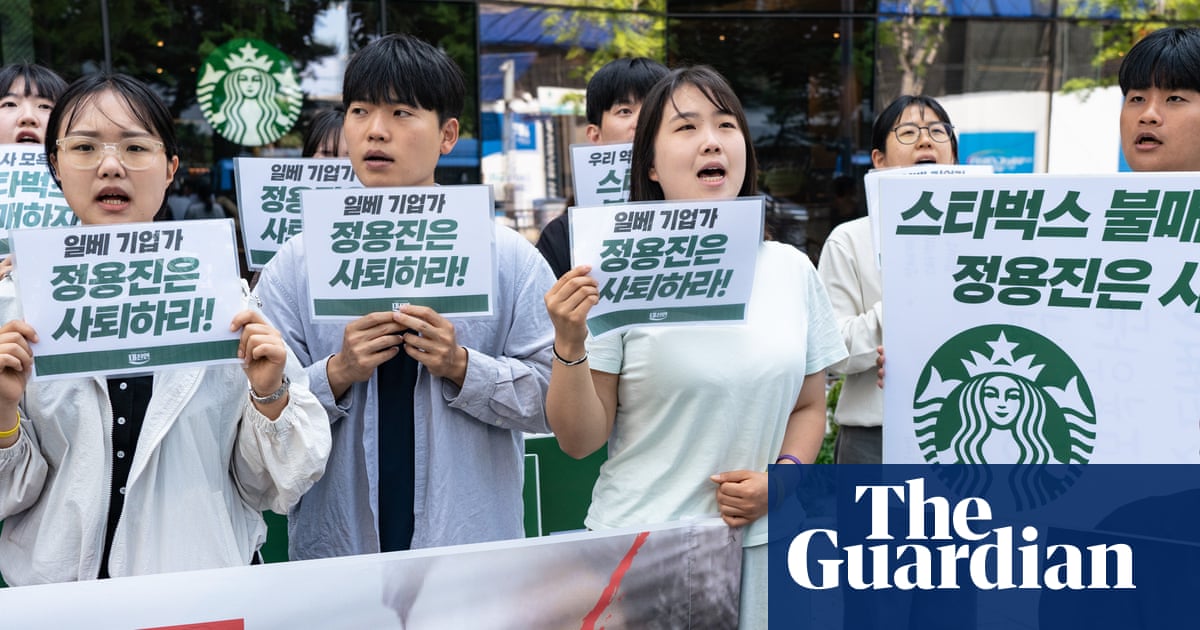
The backlash prompted swift action from Shinsegae Group, which holds a 67.5% stake in Starbucks Korea. Within hours of the public outcry, the parent company canceled the promotion entirely. In addition to halting the campaign, Shinsegae dismissed the chief executive of Starbucks Korea. The chair of Shinsegae, Chung Yong-jin, later appeared on television to issue a formal apology for the incident, acknowledging the offense caused by the marketing strategy.
In an effort to address the internal failures that led to the controversy, Starbucks Korea closed all its locations nationwide on June 22. The company mandated training sessions focused on history and social awareness for its employees. This step was intended to ensure that staff members better understand the cultural and historical sensitivities surrounding key dates and events in South Korean history. The closure represented a significant operational pause, underscoring the severity of the reputational damage incurred.
The investigation was initiated following formal complaints from relatives of those who were killed or injured during the Gwangju crackdown. These families have long advocated for respect and remembrance regarding the uprising, viewing any attempt to commercialize or trivialize the event as an affront to their loved ones’ memory. The police raids reflect the growing intersection between corporate accountability and historical justice in South Korea, where public sentiment remains highly attuned to issues of democracy and human rights.
As the investigation proceeds, it remains unclear what legal consequences may follow for Starbucks Korea or its executives. The case highlights the challenges multinational corporations face when navigating local cultural sensitivities, particularly in markets with complex political histories. For now, the focus remains on the ongoing police inquiry and the broader implications for how businesses engage with historical narratives in public campaigns.
The incident serves as a stark reminder of the enduring impact of South Korea’s democratic transition. While the country has moved forward politically, the memories of past struggles remain vivid and potent. Any perceived disrespect toward these events can quickly ignite public fury, demonstrating that historical awareness continues to play a critical role in shaping social and commercial interactions in modern South Korea.
Sources behind this briefing
Go to the original reporting
- The Guardian US↗Starbucks Korea raided by police after ‘Tank Day’ campaign sparks public outrage

