The short version
- Seoul has firmly declined to send troops or assets that could engage in combat during the US-led conflict in Iran, defying pressure from Washington.
- The decision comes amid strained relations with the Trump administration, which recently scaled back joint military exercises and criticized Seoul's support levels.
- While ruling out war involvement, South Korea is reviewing limited naval roles to protect commercial shipping and crude oil imports in the region.
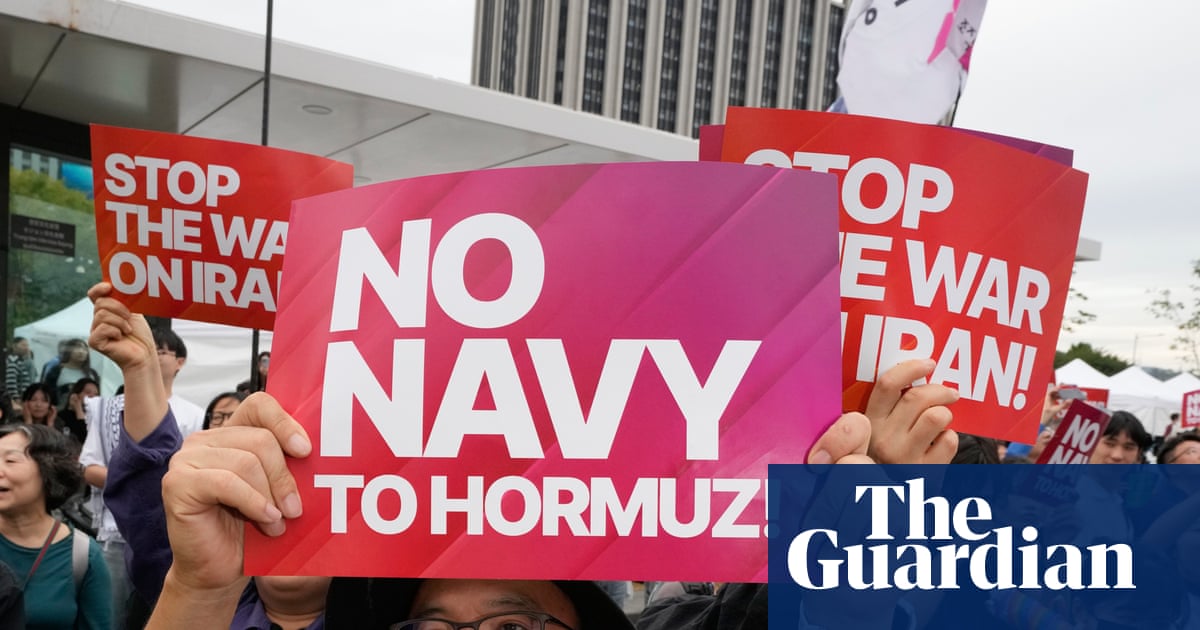
South Korea has officially ruled out deploying military forces to the Middle East in a manner that would involve the country in active combat, marking a significant divergence from United States expectations regarding the ongoing conflict with Iran. President Lee Jae Myung addressed this issue directly during a press conference on Friday, stating unequivocally that there will be no deployment of assets intended for war entry. This stance resolves weeks of speculation concerning whether Seoul would contribute to security operations in the Strait of Hormuz, a critical chokepoint for global energy supplies.
The refusal represents a direct rebuff of pressure from US President Donald Trump, who has publicly criticized South Korea for what he characterized as inadequate support for American military efforts. In response to these perceived shortcomings, Washington had already reduced the scale of major joint military drills between the two nations earlier this summer. This reduction in cooperative exercises caused considerable unease within South Korean defense circles, highlighting the fragility of the alliance under current diplomatic tensions.
Despite closing the door on combat roles, President Lee indicated that Seoul is still evaluating a more active role in safeguarding maritime navigation. The government recognizes the necessity of protecting its commercial shipping lanes and crude oil shipments, which are vital to the nation's economy. South Korea currently maintains a naval presence off the coast of Somalia as part of an international anti-piracy mission, and officials are considering whether similar non-combat support measures could be extended to the Persian Gulf region.
The domestic political landscape in South Korea further complicates any potential military expansion abroad. The idea of sending troops to the Strait of Hormuz has proven deeply unpopular among the public and lawmakers. Consequently, the government's review process is cautious, balancing international obligations against internal sentiment. Lee emphasized that while Seoul must do its part to ensure safety for its people and economic interests, this does not equate to entering a war zone.
Beyond military strategy, the diplomatic rift between Seoul and Washington extends to trade negotiations. President Lee noted that discussions regarding US investment commitments under the bilateral trade deal are nearing an agreement, though significant hurdles remain. The primary sticking point involves concerns over the commercial viability of the proposed package. South Korea had previously committed to investing $350 billion in US manufacturing in exchange for Washington lowering tariffs on Korean imports to 15 percent.
Progress on these economic talks has been slow, with Seoul postponing a parliamentary briefing on the investment plans until next week. Lee acknowledged that certain elements of the proposal are difficult for the South Korean government to accept, suggesting that finalizing the deal will require further compromise. The delay in legislative review underscores the complexity of aligning economic interests with political realities in both countries.
In a separate development, President Lee touched upon the possibility of renewed dialogue between the United States and North Korea. He suggested that a meeting between Donald Trump and North Korean leader Kim Jong-un could occur in the coming months, provided various factors align. Both leaders have expressed interest in talks, and Seoul is continuing to coordinate efforts to facilitate such a diplomatic engagement.
However, the path to inter-Korean or US-North Korea dialogue remains uncertain. North Korean state media has largely remained silent regarding Trump's repeated calls for a meeting, which have reportedly been pushed by aides to occur as soon as autumn. The lack of response from Pyongyang adds another layer of unpredictability to the regional security environment, requiring South Korea to navigate multiple diplomatic fronts simultaneously.
The combination of military restraint, trade friction, and uncertain North Korean diplomacy illustrates the delicate position Seoul occupies. By refusing to join the war in Iran, South Korea is asserting its sovereignty and prioritizing domestic stability over unconditional alliance compliance. This move may reshape expectations for future US-ROK cooperation, forcing both nations to redefine the terms of their partnership in an increasingly volatile geopolitical landscape.
As the situation evolves, observers will watch closely for any shifts in naval deployment plans or breakthroughs in trade negotiations. The immediate impact is a clarified boundary on South Korea's military involvement abroad, but the long-term consequences for alliance cohesion and regional security dynamics remain to be seen. The administration's firm stance signals a willingness to resist external pressure when core national interests are at stake.
Sources behind this briefing
Go to the original reporting
- The Guardian World↗South Korea will not send military to support US war on Iran, defying Trump pressure

