The short version
- Survivors can now view the real-time location of court-ordered tagged stalkers via a mobile application, replacing previous text-only distance alerts.
- The initiative follows a sharp increase in stalking reports and high-profile murders involving offenders who were already under electronic monitoring.
- Advocates praise the transparency while critics warn it may shift the burden of safety onto victims and exacerbate psychological distress.
A new digital intervention is reshaping how South Korea manages stalking cases, offering survivors unprecedented visibility into the movements of their pursuers. Since late June, a specialized application has enabled individuals under protection orders to view the real-time location of tagged perpetrators on a live map. This system represents a significant departure from previous protocols, which limited survivors to receiving text messages indicating only the distance between them and the offender, without providing directional context or specific coordinates.
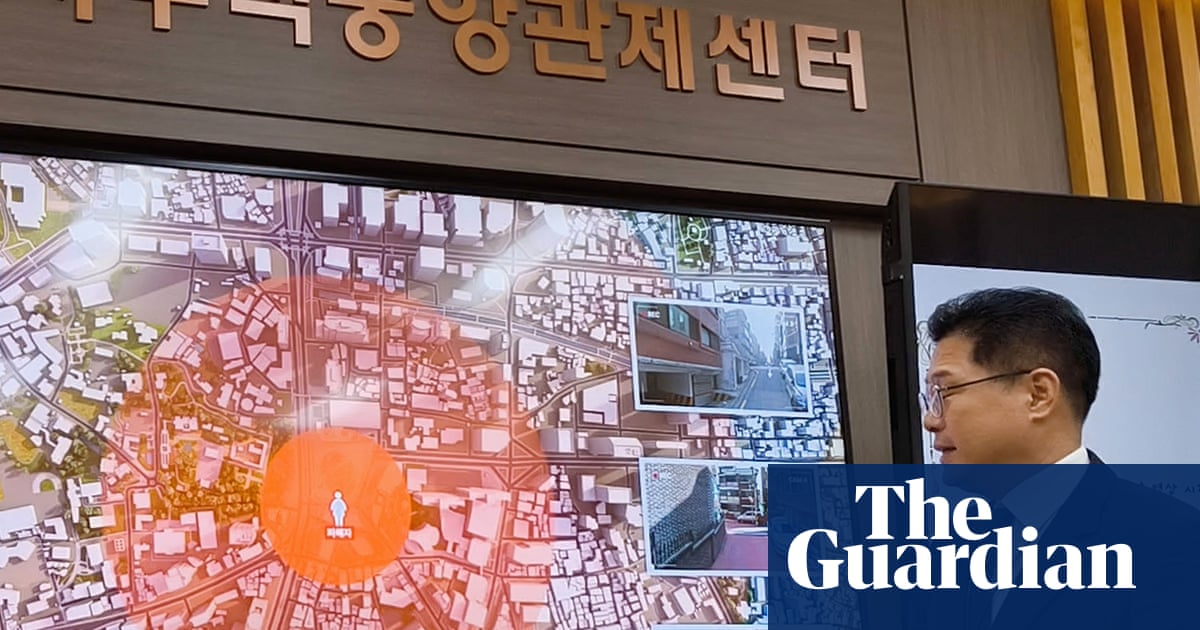
The operational mechanics of the program rely on a centralized control infrastructure located in Seoul and Daejeon. When a tagged individual enters a two-kilometer radius around a survivor, the app activates for the victim. If the distance closes to one kilometer, alerts are automatically transmitted to police and probation authorities, who then contact the survivor directly. In a demonstration of the system, a control center operator monitored a simulated scenario where a dot representing an offender moved closer to a target, triggering immediate dispatch protocols. Approximately 400 individuals have enrolled in this pilot scheme so far.
This technological shift emerges against a backdrop of escalating stalking incidents across the country. Reports of stalking have tripled since the introduction of dedicated legislation in 2021, reaching nearly 45,000 cases in 2025. The vast majority of victims are women, highlighting a gendered dimension to the crisis. The urgency for improved monitoring tools was underscored by a series of violent incidents that shocked the public, including a March case in Namyangju where a man wearing an ankle tag allegedly attacked his former partner with a drill and knife, despite existing court orders barring him from approaching her.
The failure of previous systems to prevent such tragedies has drawn scrutiny. In the Namyangju case, while the justice ministry could track the offender’s location continuously, the local police handling the stalking complaint were unaware he was being monitored. This disconnect between federal tracking capabilities and local law enforcement response has prompted reforms aimed at integrating data more effectively. The new app seeks to bridge this gap by ensuring that both the survivor and the authorities have simultaneous access to critical location data.
The control centers managing these alerts process a high volume of notifications daily, handling roughly 19,000 alerts between the two main facilities. These alerts cover over 5,000 individuals under electronic monitoring for various offenses, ranging from sexual violence to murder. While most notifications are filtered out by staff as non-critical, approximately 300 serious alerts per day require the deployment of probation officers. Each officer currently manages more than 20 monitored individuals, a workload that officials acknowledge is unsustainable and aim to reduce as the program expands.
Reactions to the new technology among survivors and advocates are mixed. Some women who have fled violent partners express relief at the prospect of knowing an offender’s whereabouts, noting that previous tools like panic-button watches did not provide sufficient peace of mind because they lacked real-time location data. One survivor noted that without knowing where her abuser was, she felt constantly vulnerable, even when using other safety devices. For these individuals, the ability to see a map and identify potential hiding spots offers a tangible sense of control.
However, human rights experts raise concerns about the psychological impact of such surveillance. Critics argue that providing survivors with real-time tracking data may inadvertently shift the responsibility for their safety from the state to the individual. There is fear that victims might feel compelled to constantly monitor the app, leading to increased anxiety and a perpetual state of readiness to flee. This dynamic could exacerbate the trauma associated with stalking, turning a tool intended for protection into a source of ongoing stress.
The effectiveness of the program also depends on the broader legal framework surrounding electronic tagging. Courts in South Korea rarely order ankle tags for stalking suspects, despite thousands of arrests. Between 2024 and 2025, police made only 1,187 applications to tag suspects out of nearly 30,000 apprehensions, with courts granting just 427 of those requests. Law enforcement agencies state that they escalate measures based on risk assessment, but the low rate of tagging limits the reach of the new app. Whether this technology will influence judicial decisions to order more frequent monitoring remains an open question.
As the program continues in its early stages, officials emphasize the continuous nature of their work, noting that monitoring cannot pause even for brief periods. The integration of real-time data into stalking prevention strategies marks a significant evolution in public safety approaches. Yet, the balance between technological empowerment and psychological burden remains delicate, requiring careful evaluation as more survivors enroll and data on outcomes begins to accumulate.
Sources behind this briefing
Go to the original reporting
- The Guardian US↗‘We can’t stop for a second’: the centre tracking South Korea’s stalkers in real time

