The short version
- Darline Graham faced audience backlash after stating she lacks expertise in national security during a debate on threats in the South China Sea and Taiwan.
- Ralph Norman positioned himself as a strong defender of US interests abroad while simultaneously distancing his campaign from President Trump’s handling of the Iran conflict.
- The race to succeed the late Lindsey Graham is shaped by conflicting signals from Washington regarding strategic ambiguity toward China and the status of pending arms deals.
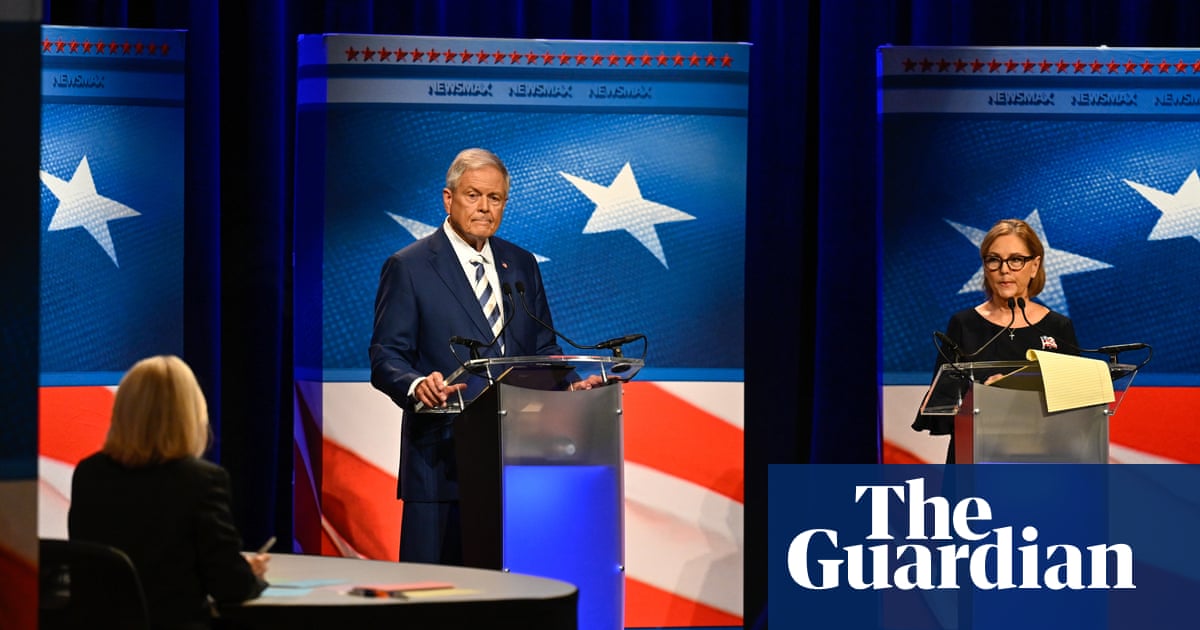
The final debate before next week’s Republican runoff election in South Carolina revealed stark contrasts in candidate preparedness on foreign policy matters. Darline Graham, the fill-in senator seeking to permanently succeed her late brother Lindsey Graham, faced immediate pushback from the audience when asked about potential threats to United States national security in the South China Sea and Taiwan. Rather than offering a detailed geopolitical analysis, Graham paused before telling the crowd at the opera house that she was not well-informed on national security issues. She emphasized her support for the military but admitted that foreign policy was not her area of expertise.
The reaction from the audience was immediate and audible, with gasps and boos echoing through the venue. Graham did not attempt to walk back her comments or offer a more polished political response. Instead, she leaned into her identity as an outsider, stating clearly that she is not a seasoned politician and that national security is simply not her thing. This moment underscored the challenges facing candidates who must navigate complex international relations without a deep background in those specific policy areas. Her approach stood in sharp relief to the expectations typically held for senators representing a state with significant military installations.
Her opponent, Representative Ralph Norman, presented a different profile during the same segment. Norman, an ultra-conservative figure who previously advocated for extreme measures regarding the 2020 election results, did not offer any disclaimers about his knowledge of international affairs. He proceeded to outline Taiwan’s economic connections to the United States and argued forcefully that the island nation warrants protection against Chinese aggression. His performance highlighted a traditional hawkish stance on Asian security matters, appealing to voters who prioritize strong, articulate defenses of US strategic interests abroad. This contrast in demeanor and substance became a central theme of the evening.
Despite the stumble on national security, Graham attempted to recover by shifting the focus to domestic issues and personal narrative. She described her family’s reliance on social security survivor benefits following the deaths of her parents, aiming to connect with voters on an emotional level. She also criticized Norman for his perceived lack of commitment to South Carolina, pointing out that he had recently lost a gubernatorial race in the state. By framing Norman as someone torn between working in Washington and serving locally, Graham sought to undermine his credibility as a representative of South Carolina’s interests. This tactic aimed to redirect attention away from her foreign policy gaps toward questions about Norman’s political loyalty and local engagement.
The debate also touched on broader national tensions within the Republican Party, particularly regarding President Donald Trump’s foreign policy decisions. Norman used the platform to distance himself from the president’s handling of the ongoing conflict with Iran. He questioned what it would take for the administration to address the situation if the Strait of Hormuz remained under the control of a country that the administration had claimed to have decimated. This criticism signaled a willingness among some conservative candidates to challenge Trump’s diplomatic strategies, even as they remain aligned with his broader political movement. It reflects a growing unease among certain factions about the clarity and consistency of US foreign policy under the current administration.
The backdrop for this primary race includes significant shifts in US-China relations under the Trump administration. Since 1979, the United States has maintained a policy of strategic ambiguity regarding Taiwan, refusing to explicitly commit to military intervention if China were to invade. This approach is designed to maintain peace by keeping intentions unclear. However, recent developments have introduced new complexities. During a summit in Beijing last May, Trump stated he was not interested in fighting a war thousands of miles away and expressed a desire for China to cool down tensions. He also placed a pending fourteen-billion-dollar arms package for Taiwan on hold, describing it as a valuable negotiating chip.
Chinese President Xi Jinping responded to these developments by warning that mishandling the Taiwan issue could lead to clashes and even conflicts. Despite Trump’s claim last August that Xi had personally assured him China would not invade Taiwan while he remains in office, Beijing brushed off this assertion. Chinese officials reaffirmed their commitment to reunification, maintaining a firm stance on territorial integrity. These diplomatic maneuvers create an uncertain environment for candidates like Graham and Norman, who must navigate voter expectations without clear guidance from the executive branch on how firmly to commit to defending Taiwan.
As early voting begins in South Carolina, the race remains tightly contested. Graham benefits from Trump’s endorsement and her connection to the late Lindsey Graham, a prominent figure known for his right-wing foreign policy views. Norman relies on his conservative credentials and his ability to articulate traditional hawkish positions. The debate highlighted not only their differing styles but also the broader challenges facing Republicans in defining a coherent foreign policy platform. Voters will have to decide whether they prefer a candidate who admits limitations in national security expertise or one who offers strong, albeit potentially controversial, stances on global conflicts.
The outcome of this primary could influence the direction of Republican foreign policy in the Senate. If Graham wins, she may continue to rely on allies and advisors for guidance on complex international issues, potentially leading to a more cautious or deferential approach. If Norman prevails, his hawkish stance might push the party toward more assertive positions on Taiwan and other global hotspots. Regardless of the winner, the debate served as a microcosm of the larger tensions within the Republican Party regarding how to balance domestic priorities with international obligations in an increasingly volatile geopolitical landscape.
Sources behind this briefing
Go to the original reporting
- The Guardian US Politics↗Lindsey Graham’s sister and fill-in senator says she’s ‘not that informed on national security’