The short version
- The African National Congress is projected to secure less than one-third of the vote in local elections, marking a significant drop from previous municipal and national results.
- Chronic issues including water outages, power cuts, and crumbling infrastructure are driving voter dissatisfaction across major urban centers like Johannesburg and Durban.
- Political fragmentation suggests that even if the ANC remains the largest party, it will likely face difficult coalition negotiations, potentially leading to continued administrative instability.
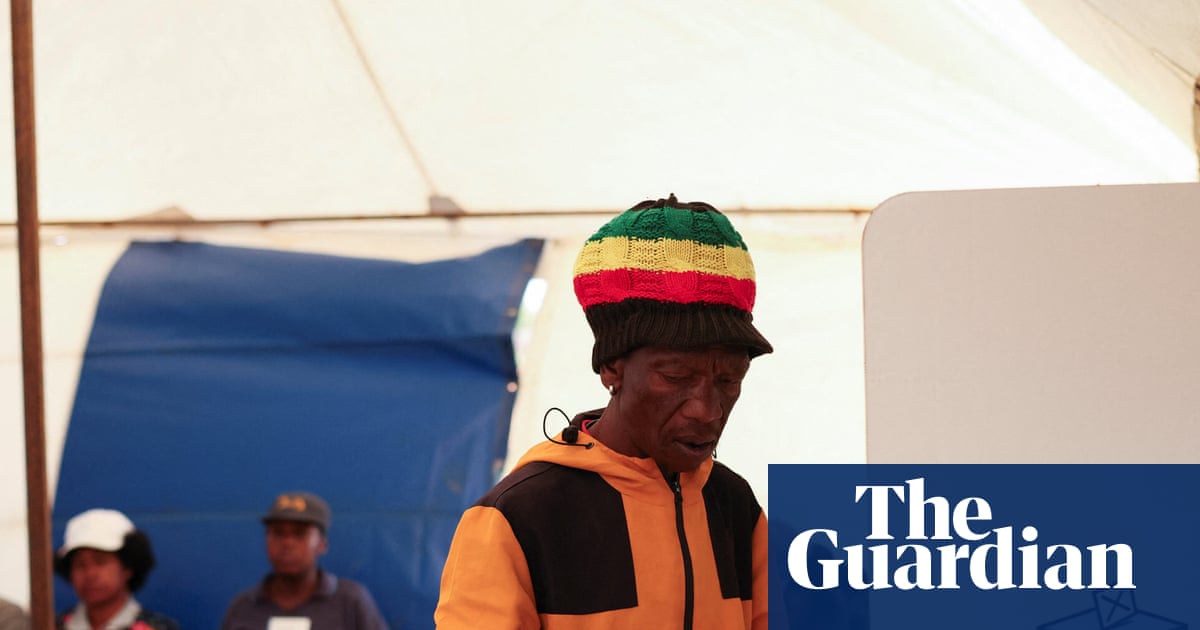
South African voters cast ballots in local elections on Wednesday against a backdrop of widespread discontent regarding essential public services. The African National Congress, which has governed since the end of apartheid in 1994, is expected to suffer significant losses. Polling indicates the party may receive less than a third of the vote, a sharp decline from its 45.6% share in the 2021 municipal elections and 40.2% in the 2024 national polls. Despite this erosion of support, the ANC is still projected to remain the largest single party in many areas, though its dominance is clearly waning.
The primary driver of this political shift appears to be the deteriorating state of municipal infrastructure. Residents in Johannesburg suburbs such as Kensington have reported severe disruptions to water and electricity supplies. Voters expressed frustration with what they described as horrible service delivery, citing repeated outages that affect daily life. This dissatisfaction is not isolated to one region; similar complaints about crumbling infrastructure and unreliable utilities are emerging across the country’s major metropolitan areas.
Johannesburg, a city of 4.8 million people, exemplifies the administrative challenges facing local government. The municipality has seen ten different mayors in the past decade, reflecting a pattern of political instability that analysts link to poor service outcomes. Neighboring municipalities show similar volatility, with Ekurhuleni having three mayors since 2021 and Tshwane, which includes the capital Pretoria, seeing four mayoral changes since 2020. This turnover undermines long-term planning and consistent policy implementation.
Public health concerns have also arisen from infrastructure failures. In October, more than 800 individuals in Bronkhorstspruit, located in east Tshwane, contracted a gastrointestinal illness linked to contaminated water supplies. Such incidents underscore the tangible risks associated with neglected municipal systems. Voters are increasingly aware that political maneuvering often comes at the expense of basic civic needs, leading to a demand for accountability and improved governance.
The fragmentation of the electorate means that no single party is likely to secure an outright majority in many key municipalities. This reality forces parties into coalition arrangements, which have historically been unstable in South Africa’s 257 municipalities. While the ANC may lead some coalitions, it could lose control of others where smaller parties hold the balance of power. The complexity of these negotiations may delay the formation of functional local governments, prolonging uncertainty for residents.
In Johannesburg, the political landscape is particularly fractured. The Democratic Alliance, led by Helen Zille in her campaign efforts, has gained traction among some voters seeking change. However, Zille faces skepticism from certain demographics due to past controversies and concerns about housing affordability in Cape Town, which the DA has governed since 2006. Meanwhile, ActionSA, led by former Johannesburg mayor Herman Mashaba, is polling around 10% but has ruled out cooperation with Zille, further complicating potential alliances.
The rise of Jacob Zuma’s uMkhonto weSizwe party presents another significant variable. In eThekwini, which includes Durban, the MK party is polling above 40%, drawing support away from the ANC, which has dropped to around 10% in that region. This shift reflects broader realignments within the political spectrum, as voters seek alternatives to traditional power structures. The ANC’s internal divisions, including factional infighting over mayoral candidates, further weaken its position.
At the national level, there is openness among ANC leadership to collaborate with the Democratic Alliance in Gauteng province, mirroring the government of national unity at the federal level. However, local ANC leaders reportedly resist such partnerships, preferring other coalition options. This disconnect between national strategy and local preferences adds another layer of complexity to post-election negotiations.
The Electoral Commission will take approximately one week to announce final results for councillors and party representation. Mayors are not directly elected but chosen by councils after the results are declared. Parties have two weeks following the announcement to form councils and elect mayors. This timeline suggests that even if voting concludes quickly, the path to stable local governance may be prolonged.
As South Africa navigates this electoral moment, the focus remains on whether new political configurations can deliver improved services. The current cycle highlights a electorate that is increasingly willing to punish incumbents for failures in basic infrastructure. Whether through coalition-building or new leadership, the coming weeks will test the ability of local governments to address urgent civic needs and restore public trust.
Sources behind this briefing
Go to the original reporting
- The Guardian World↗ANC faces anger over poor services as South Africans vote in local elections


