The short version
- Viral social media trends describe 'ferritin face' as a visual indicator of low iron stores, citing symptoms like pallor and hair loss.
- Medical experts confirm that severe iron deficiency can cause physical changes but warn that these signs overlap with many other conditions.
- Clinicians urge at-risk individuals to seek blood tests rather than relying on self-diagnosis or over-the-counter supplements without medical guidance.
A growing online trend known as 'ferritin face' has sparked debate regarding the reliability of visual cues for diagnosing iron deficiency. Influencers on platforms like TikTok frequently associate symptoms such as dark circles under the eyes, greyish skin tone, cracked lips, and hair loss with low levels of ferritin, the protein responsible for storing iron in the body. While these physical changes can indeed signal depleted iron reserves, medical professionals caution that they are not definitive diagnostic tools and often stem from a variety of other factors.
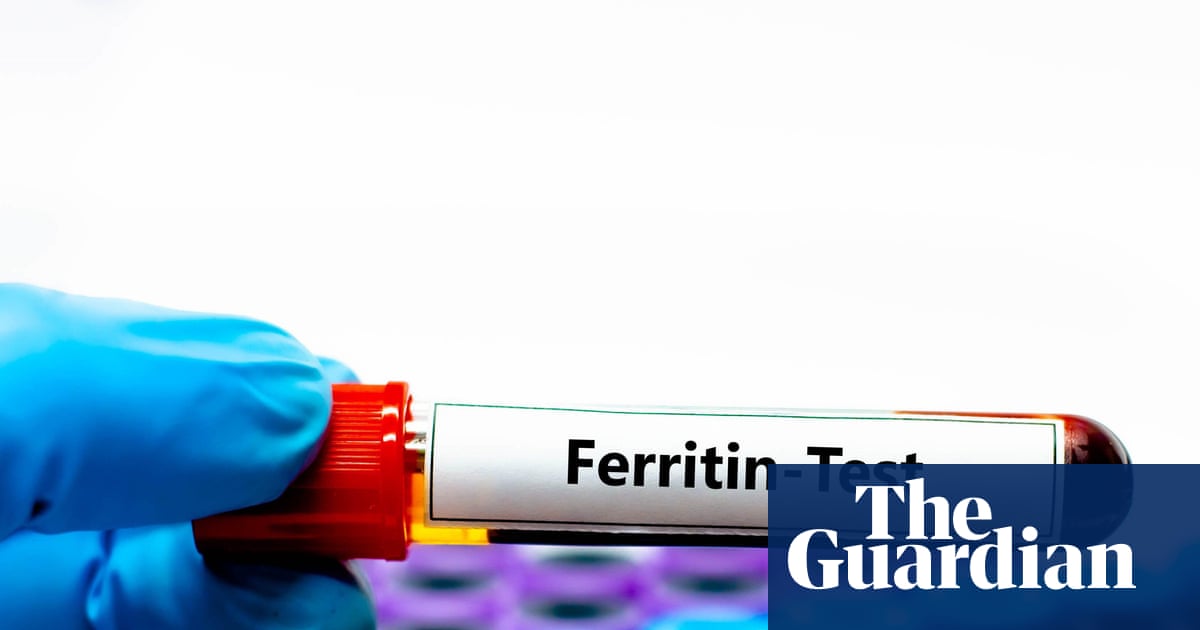
Iron is an essential nutrient that the human body cannot produce on its own, relying instead on dietary intake to maintain healthy levels. Ferritin acts as a reservoir, particularly in the liver, releasing iron in a controlled manner to support cellular function. Blood tests measuring ferritin concentrations provide a snapshot of these reserves, with guidelines from the National Institute for Health and Care Excellence indicating that levels below 30 micrograms per liter suggest deficiency. However, experts note that thresholds can vary, with some specialists considering levels under 50 micrograms per liter as potential indicators of insufficient iron stores.
The physical manifestations described in social media posts are real but non-specific. Professor Sue Pavord of Oxford University hospitals explains that iron is vital for every cell in the body, and a lack thereof can lead to fatigue, cognitive difficulties, dull or sagging skin, and a pale appearance. These effects tend to be most pronounced in individuals with severely depleted iron levels, often those who are already quite ill. Nevertheless, similar symptoms can arise from genetics, stress, dehydration, or other medical conditions, making visual assessment alone unreliable for determining the root cause.
Identifying the underlying reason for low ferritin is crucial for effective treatment. Common causes include heavy menstrual bleeding and pregnancy, which place significant demands on the body’s iron supply. Dietary choices, particularly among vegetarians and vegans, can also contribute to lower intake, while conditions like coeliac disease may impair absorption. In older adults or those with gastrointestinal issues such as gastritis or polyps, blood loss from the digestive tract is a primary concern that requires thorough clinical investigation rather than simple supplementation.
The prevalence of iron deficiency is significant, particularly among women of reproductive age. Professor Toby Richards describes it as a leading cause of disability in this demographic, emphasizing the need to stop normalizing the fatigue and exhaustion many women experience while managing periods, pregnancies, and professional responsibilities. Increased public awareness through social media can be beneficial by highlighting these often-overlooked health issues, but it must be balanced with accurate medical information to prevent misinterpretation.
Self-diagnosis poses risks, as individuals may assume they have an iron deficiency based on a list of symptoms without verifying the cause. Dr. Asiya Maula warns that this approach can lead to unnecessary anxiety or inappropriate treatment. While over-the-counter iron supplements are available and generally safe for young women who lose iron through menstruation, they may not provide the correct dosage for those with clinical deficiencies. Proper treatment often requires higher doses under medical supervision, followed by repeat blood tests after three months to assess progress.
Healthcare providers recommend that individuals at high risk—including those with heavy periods, a history of pregnancy, or specific dietary restrictions—request comprehensive blood work. This should include a full blood count, ferritin level check, and tests for vitamin B12 and folate levels to rule out other causes of similar symptoms. For older patients suspecting iron deficiency, a proper clinical assessment is essential to investigate potential sources of internal bleeding, ensuring that serious underlying conditions are not overlooked.
Ultimately, while the 'ferritin face' trend has brought attention to the importance of iron health, it underscores the complexity of diagnosing nutritional deficiencies. Visual symptoms can serve as a prompt to seek medical advice, but they cannot replace laboratory testing and professional evaluation. Experts agree that raising awareness is positive, provided it leads to informed healthcare decisions rather than self-treatment based on incomplete information.
Sources behind this briefing
Go to the original reporting
- The Guardian World↗‘Ferritin face’: are social media claims about iron deficiency fact – or fiction?