The short version
- Hundreds of tourists overwhelmed a high-altitude refuge in the Dolomites, camping overnight to secure freshly baked krapfen pastries promoted by social media influencers.
- Local mountain community leaders argue that algorithm-driven tourism is damaging the environment and disrespecting the traditional spirit of alpine regions.
- The incident mirrors similar overtourism events in other Italian mountain areas, highlighting a growing tension between digital fame-seeking and sustainable travel practices.
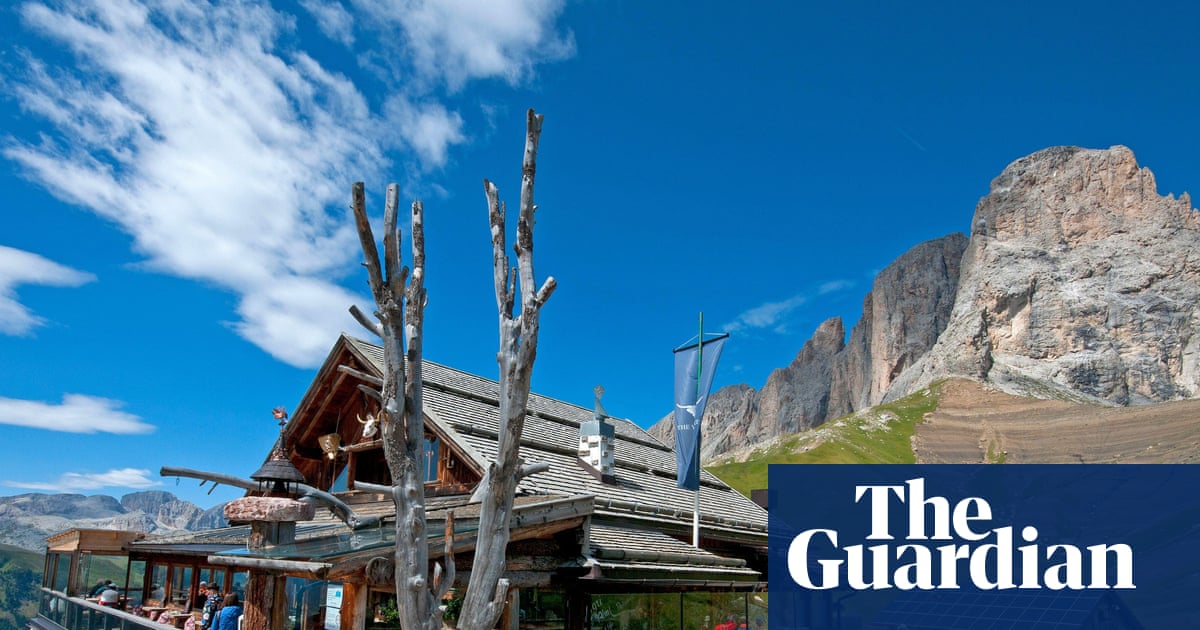
A remote mountain hut in the Italian Dolomites has become the epicenter of a new tourism crisis, not due to its scenic vistas or hiking trails, but because of a viral food trend. Hundreds of visitors descended upon the Friedrich August refuge, located at an elevation of 2,300 meters between Col Rodella and Passo Sella in Val di Fassa, creating chaotic scenes that have reignited debates about the impact of social media on natural landscapes. The influx was driven by online videos featuring food bloggers consuming krapfen, a traditional German-style fried pastry similar to a doughnut, against the backdrop of the majestic alpine scenery.
The demand for these pastries, which cost up to €4 each, has led to extreme behavior among visitors. Reports indicate that some individuals woke up at dawn or camped overnight near the refuge to ensure they could purchase the freshly baked treats before they sold out. The narrow paths leading to the premises became congested with massive queues, a situation that appeared to intensify rather than deter interest as images of the crowds were widely shared across digital platforms. One visitor told Italian broadcaster Rai News that their sole purpose for visiting was the pastry, while another cited an Instagram post accompanied by atmospheric music as the primary attraction.
Staff at the refuge have expressed frustration with the sudden surge in attention. An employee who requested anonymity noted that the establishment has been serving these pastries for three decades without incident. They attributed the current disorder to the actions of influencers, describing the resulting atmosphere as chaotic and stating clearly that they do not enjoy the situation. The staff’s long-standing routine has been disrupted by a phenomenon that prioritizes digital content creation over the traditional experience of mountain hospitality.
Local representatives for Italian mountain towns have joined the refuge staff in criticizing the trend, though their concerns extend beyond the specific issue of pastry sales. Marco Bussone, president of Uncem, the national union of mountain communities, emphasized that mountains are not playgrounds designed for algorithmic exploitation. He argued that social media algorithms are funneling large crowds into sensitive environmental areas, causing damage to the very beauty that attracts visitors in the first place. This perspective highlights a broader conflict between digital engagement metrics and environmental preservation.
Francesco Abbruscato, president of the Veneto branch of the Italian Alpine Club, echoed these sentiments by pointing out that image-driven tourism is eroding the authentic spirit of the mountains. He noted that until roughly five or six years ago, overtourism in specific points or moments was not a significant issue in the Dolomites. Today, however, iconic locations are often surrounded by dozens of people focused primarily on taking selfies, making it difficult for anyone to appreciate the natural beauty in peace. Abbruscato stressed that the core problem lies with visitors who lack knowledge of and respect for the mountain environment.
This incident is not an isolated event but part of a growing pattern of social media-induced overtourism in Italy’s alpine regions. Similar scenes occurred in Roccaraso, a town in the Abruzzo mountains, in January 2025. During that episode, day trippers flooded the resort after a TikTok star posted videos of herself on the ski slopes. These recurring events suggest that digital platforms are increasingly capable of distorting travel patterns, concentrating large numbers of people in specific locations for short periods, often without regard for local capacity or environmental impact.
The debate underscores a significant shift in how tourists interact with natural landmarks. The motivation for travel is changing from exploration and appreciation to content creation and validation. As influencers continue to promote specific spots, the pressure on local infrastructure and ecosystems grows. Mountain communities are finding themselves caught between the economic benefits of increased visitor numbers and the social and environmental costs of unmanaged crowds.
Looking ahead, local authorities and community leaders may need to consider new strategies to manage tourist flows in sensitive areas. This could include limiting access to certain trails, regulating influencer activities, or promoting less crowded alternatives. The incident at the Friedrich August refuge serves as a stark reminder that the digital age brings new challenges to heritage and natural site management. Balancing the desire for online visibility with the need for sustainable tourism remains a critical task for Italian mountain regions.
As the dust settles on this particular pastry-fueled frenzy, the underlying issues remain unresolved. The tension between global digital trends and local preservation efforts is likely to persist. Without coordinated action from platforms, tourists, and local governments, similar disruptions may continue to occur in other scenic locations. The Dolomites, a UNESCO World Heritage site, face the ongoing challenge of protecting its integrity while remaining accessible to visitors who seek genuine experiences rather than just photo opportunities.
Sources behind this briefing
Go to the original reporting
- The Guardian World↗Tourists on pastry quest overrun scenic spot in Italian mountains

