The short version
- Gasoline prices in Texas have risen significantly over the past year due to the war in Iran, impacting daily commutes and budgets.
- Voters express frustration with high fuel costs, leading some former Republican supporters to consider Democratic candidates in the Senate race.
- Despite presidential claims of energy victories, local polling suggests economic anxiety is influencing independent voters ahead of the election.
In a state where driving is an essential part of daily life, soaring energy costs are reshaping political sentiment just weeks before the midterm elections. Texans are facing higher prices at the pump, a reality that contrasts sharply with federal narratives celebrating oil production and deals with foreign nations. The disconnect between national rhetoric and local economic pressure is becoming a central theme in one of the most watched Senate races of the cycle.
The financial strain is visible at gas stations across the state. At Fuel City in Dallas, employees report that customers are filling up less frequently and purchasing smaller amounts of fuel to manage costs. Some drivers stop pumping once they reach ten or twenty dollars, opting instead for other necessities like cigarettes or beer. This behavior reflects a broader trend of budget tightening among residents who rely on their vehicles for work and daily errands.
Alina Cardenas, a nineteen-year-old radiology student, has reduced her driving to only essential trips for school and work. She notes that expenses have become harder to manage this year, attributing the shift in her financial habits directly to inflated gas prices. Her experience is not unique; many Texans are cutting back on non-essential travel to cope with the rising cost of transportation.
The economic pressure is particularly acute for those with long commutes. Tom L., a data analyst who spends nearly six hours a day driving, reports that his monthly fuel expenses have doubled to approximately four hundred dollars. He also faces increased costs for diesel used in farm work, which has risen significantly. Despite voting for the president in the previous election, he now questions that decision and remains undecided about which Senate candidate to support.
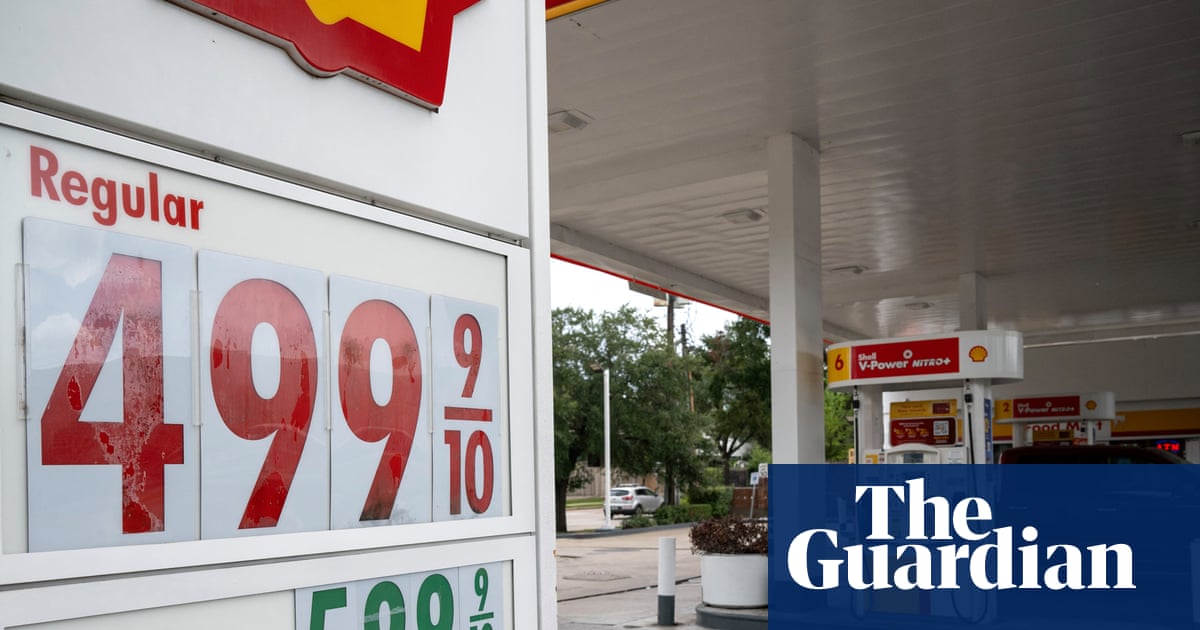
Data supports these anecdotal accounts of rising costs. According to AAA, the average price of a gallon of gasoline in Texas has climbed from two dollars and fifty-nine cents a year ago to three dollars and sixty-eight cents today. Diesel prices have seen an even sharper increase, jumping by more than eighty percent from three dollars and eighteen cents to five dollars and seventy-nine cents. These figures highlight the severity of the inflationary pressure on transportation fuels.
Tom Seng, a professor of energy finances at Texas Christian University, emphasizes that while Texans still pay less than the national average, they are feeling the pain of recent price hikes just like everyone else. He points out that gasoline prices are often the most noticeable expense for voters on election day, as people see the cost before heading to the polls, unlike utility bills or grocery receipts which may not be top of mind.
The political implications are significant in a state where Republicans have held the Senate seat for over three decades. James Talarico, a Democratic state representative, is challenging Republican Ken Paxton, a former attorney general embroiled in scandals. Recent polling shows Talarico with a slight edge, suggesting that widespread frustration with the economy, particularly among independent voters, could be shifting the balance of power.
President Trump has attempted to counter these concerns by highlighting energy victories, including the arrival of oil from Venezuela and the profits made by major Texas-based companies like Exxon and Chevron. However, these announcements have done little to alleviate voter anxiety. In Dallas-Fort Worth, drivers express deep frustration, with some indicating that high gas prices have pushed them toward Democratic candidates.
Not all voters are mobilized by these issues. Kobe Montgomery, a security guard who drives for delivery services, has not noticed the higher costs personally but plans to abstain from voting due to fear of making the wrong choice. Meanwhile, Diamond M., a warehouse worker, spends about twenty percent of her take-home pay on gas, filling up only on payday. Her story underscores the severe impact fuel costs have on low-income workers.
As election day approaches, the interplay between energy policy and voter behavior remains a critical factor. The war in Iran has exacerbated global supply issues, leading to higher prices that resonate deeply in Texas. Whether this economic discontent translates into a historic shift in the Senate race will depend on how effectively candidates can address these immediate financial concerns.
Sources behind this briefing
Go to the original reporting
- The Guardian US↗Texas voters on high gas prices under Trump: ‘Probably made me go more Democrat’


