The short version
- Dedicated sneaker collectors are increasingly prioritizing affordability and utility over high-priced status symbols.
- The collapse of the pandemic-era resale bubble has reduced the financial incentive for hoarding limited-edition footwear.
- Major brands are responding by promoting versatile, lower-cost models that serve both athletic and casual needs.
A quiet but significant shift is underway in the global sneaker market, as dedicated enthusiasts move away from premium-priced footwear in favor of more affordable options. This change marks a departure from years of escalating costs, often termed trainerflation, where flagship running shoes from major brands routinely commanded prices between £200 and £250. The current trend reflects a broader reassessment of value among consumers who previously viewed high spending as an acceptable norm for acquiring desirable styles.
The roots of this transformation can be traced back to the pandemic era, when the low end of the sneaker market experienced sharp price increases. Industry observers note that major sportswear companies realized they were losing substantial profits to third-party resale platforms like StockX and GOAT. During this period, limited releases transformed from mere footwear into speculative assets. For instance, average Nike SB Dunk Low pairs resold for more than £400 in 2020, a figure several times higher than their original retail cost.
This dynamic created a disconnect between price and perceived worth. Critics argue that brands reduced product quality while simultaneously raising prices, driven by greed during the resale boom. The financial incentives shifted away from consumer satisfaction toward maximizing margins through scarcity and secondary market speculation. As a result, the cultural meaning of trainers changed, with ownership becoming less about utility or style and more about investment potential.
Now, that bubble appears to have burst. Enthusiasts are buying fewer pairs overall and retaining their existing collections for longer periods. There is a growing excitement around trainers that do not carry triple-digit price tags. Models such as the Nike V5 RNR at £80, the New Balance 740 at £70, and the Asics Gel-1130 at approximately £90 are gaining traction. These items are no longer relegated to entry-level status but are featured prominently in marketing campaigns and retail displays.
The success of lower-priced items demonstrates that affordability does not preclude demand. The Nike Mind 001 slide, priced at £79.99, remained sold out for seven months, indicating that consumers are willing to wait for value-driven products. This behavior suggests a maturation in the market, where hype is no longer solely tied to exclusivity or high cost. Instead, practicality and reasonable pricing are becoming key drivers of consumer interest.
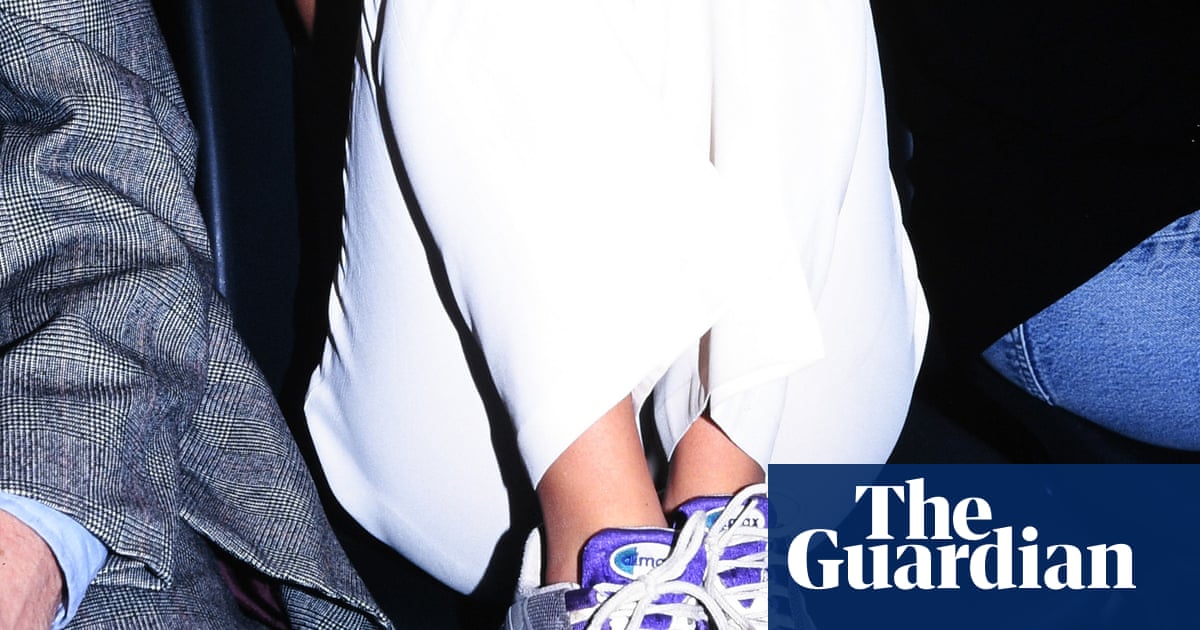
Long-time collectors are reevaluating their purchasing habits. One app developer with over a decade of collecting experience noted that while £110 seemed expensive in the mid-1990s for Nike Air Max 95s, it was attainable with savings. Today, higher prices require greater justification. Shoppers now expect shoes to perform multiple functions rather than serving merely as aesthetic additions to a collection. The threshold for spending has risen, demanding more utility from each purchase.
Historical precedents exist for fashion embracing affordable footwear. In 2010, designer Phoebe Philo helped elevate the Adidas Stan Smith, then a simple tennis shoe costing around £70, into a high-fashion staple. More recently, the £95 Samba transitioned from an indoor football shoe to a mainstream trend. However, the current movement differs in motivation. It is not driven by top-down fashion dictates but by bottom-up economic pressures and a desire for genuine value.
Household budgets have tightened, prompting consumers to question whether premium sneakers are worth their cost. This scrutiny is coming from enthusiasts who previously spent freely, making the shift particularly notable. The focus is returning to the daily runner concept, where a single pair can handle light exercise and everyday activities like grocery shopping. This versatility enhances perceived value, aligning product function with consumer needs.
Sustainability and economics are also influencing behavior. Shoe care professionals report an increase in customers opting to repair worn-out pairs rather than replace them. This trend reflects a combination of financial prudence and environmental awareness. While the £200 trainer is not disappearing from the market, brands are reminded that consumers expect quality and utility commensurate with price.
The industry is adjusting to this new reality. Sportswear companies are recognizing that convincing enthusiasts to spend more requires delivering tangible benefits. The era of disconnected pricing appears to be waning, replaced by a demand for transparency and fairness. As the market stabilizes, the definition of a desirable sneaker may once again include durability, comfort, and reasonable cost.
Sources behind this briefing
Go to the original reporting
- The Guardian US↗From Nike’s infamous 110s to £250 and back again, sneakerheads are rediscovering why cheaper shoes are worth the hype

