The short version
- Smoke from wildfires has pushed air quality indices in Seattle and Portland to hazardous levels, ranking them among the most polluted cities worldwide.
- Three major fires near Spokane have destroyed approximately 850 structures and forced roughly 67,000 residents to evacuate, with no immediate timeline for return.
- Investigators attribute one blaze to arson while two others are linked to human activity, as officials warn of worsening weather conditions later in the week.
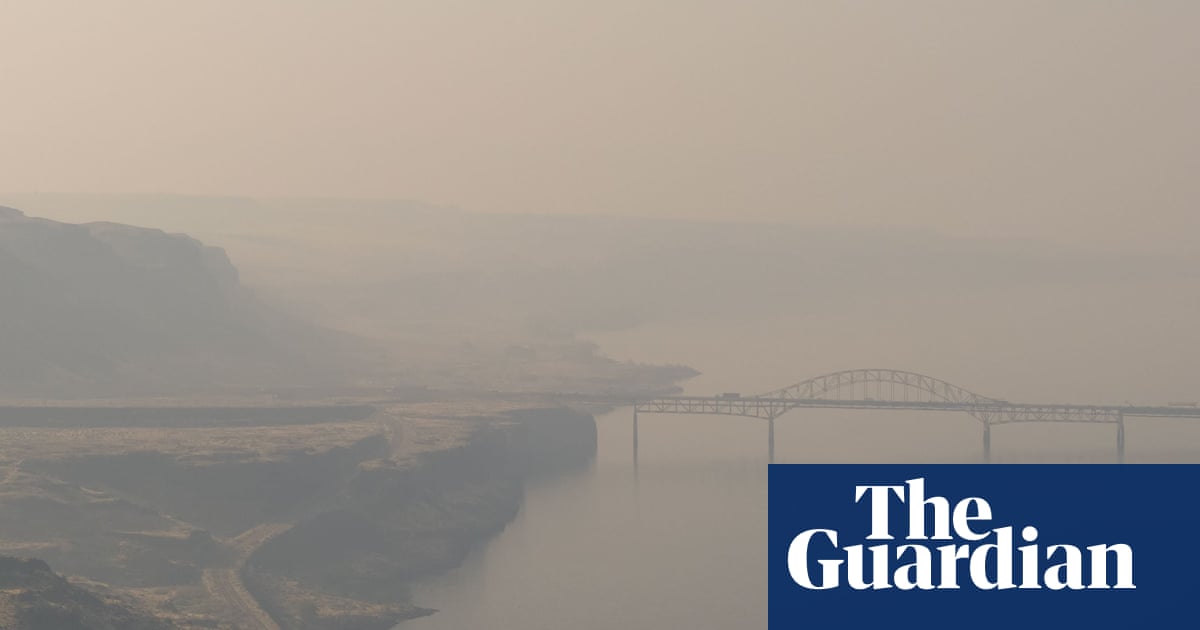
Thick smoke from multiple wildfires has enveloped the Pacific Northwest, creating severe air quality conditions across Washington and Oregon. As of Thursday afternoon, major metropolitan areas including Seattle and Portland appeared at the top of global pollution rankings compiled by Swiss monitoring firm IQAir. Sensors in these cities recorded air quality index readings exceeding 100, a threshold considered unhealthy for individuals with respiratory or cardiac conditions. In more remote sections of central and eastern Washington and Oregon, measurements climbed above 200, categorizing the air as very unhealthy for the general population.
Despite the widespread haze, emergency crews have made tactical progress against the largest blazes in Washington state. Cooler temperatures earlier in the week allowed firefighters to establish containment lines around three significant fires affecting the Spokane area. Officials stated that personnel are now focused on reinforcing these perimeters to prevent further spread. However, this temporary reprieve is expected to end as weather forecasts predict a shift toward hotter, drier, and windier conditions later in the week, with temperatures potentially reaching the upper 90s Fahrenheit.
The human toll of the fires remains significant, with approximately 67,000 people displaced since the incidents began last weekend. About 850 buildings have been destroyed, though damage assessment teams have not yet finalized counts of specific residential losses. No fatalities have been reported in connection with these blazes. John Nowels, the sheriff for Spokane County, emphasized that evacuation zones will remain active for the foreseeable future. He cautioned against relaxing restrictions until there is high confidence that fire lines can hold against incoming weather patterns.
Investigations into the origins of the fires reveal a mix of intentional and negligent causes. Authorities arrested Aaron F. Farinacci, 37, in connection with the Old Trails fire, alleging he deliberately set it. Court documents indicate he was detained after a resident reported his presence near the ignition point. Although he denied starting the fire during questioning, officials noted that investigators had previously contacted him regarding two other fire incidents last year, including one in a state park that required evacuation notices. He is scheduled for arraignment on Thursday.
The remaining two fires in the area, known as the Autumn Lane and Fairview fires, were also determined to be human-caused, though not necessarily intentional. Investigators are continuing to examine how these blazes started independently of the arson-linked Old Trails fire. Meanwhile, in California, authorities arrested a 65-year-old man suspected of sparking a separate wildfire by operating equipment recklessly and violating state fire prevention rules. That blaze has scorched nearly 15 square miles of forest in Calaveras County.
The broader context of these incidents reflects a strained firefighting capacity across the western United States. In Washington alone, more than 7,000 personnel are battling 16 uncontained wildfires that have burned over 672 square miles. Thomas Kyle-Milward, a spokesperson for the Washington Department of Natural Resources, described the current situation as potentially one of the worst fire seasons in the state's history. The sheer scale of the operations has stretched federal, state, and local resources to their limits.
For those displaced by the Spokane-area fires, uncertainty remains the defining feature of daily life. Many evacuees are staying in shelters at the Spokane convention center, while others have found temporary housing in hotels, rentals, or with friends and family. There is no clear indication of when these individuals might be allowed to return home, particularly for those whose properties may have been damaged or destroyed. The combination of ongoing fire danger and unpredictable weather patterns suggests that the evacuation orders will persist for many days.
Air quality advisories are expected to lift in some areas soon. Oregon officials anticipate that the advisory for the Portland region will expire on Thursday evening. In Seattle, the Washington Department of Ecology forecasts that smoke levels may improve by Friday. However, poor air quality is likely to persist in eastern cities like Spokane due to their proximity to the active fire zones. Residents are advised to monitor local health guidelines and take precautions against exposure to hazardous particulate matter.
As the week progresses, the focus for emergency management will shift from initial containment to long-term suppression and community safety. The potential for rapid fire growth under hotter and drier conditions means that resources must remain heavily committed to the Spokane area. The situation underscores the growing challenges faced by western states in managing wildfire risks amid changing climate patterns and increased human activity in wildland-urban interfaces.
The legal proceedings against those accused of starting fires will continue alongside the physical battle against the flames. Prosecutors in California will decide whether to file criminal charges against the man arrested for equipment negligence, while Washington authorities prepare for Farinacci's arraignment. These cases highlight the increasing scrutiny on human behavior as a contributing factor to wildfire outbreaks, adding a layer of legal complexity to an already demanding emergency response effort.
Sources behind this briefing
Go to the original reporting
- The Guardian World↗US Pacific north-west blanketed in thick smoke as firefighters push back blazes

