The short version
- Lonnie Bunch III will step down as Smithsonian secretary at year-end, acknowledging the strain of recent political conflicts.
- The Trump administration has issued executive orders and attempted personnel changes to align museum content with its policy goals.
- The board of regents faces vacancies that may complicate the selection process for Bunch's successor.
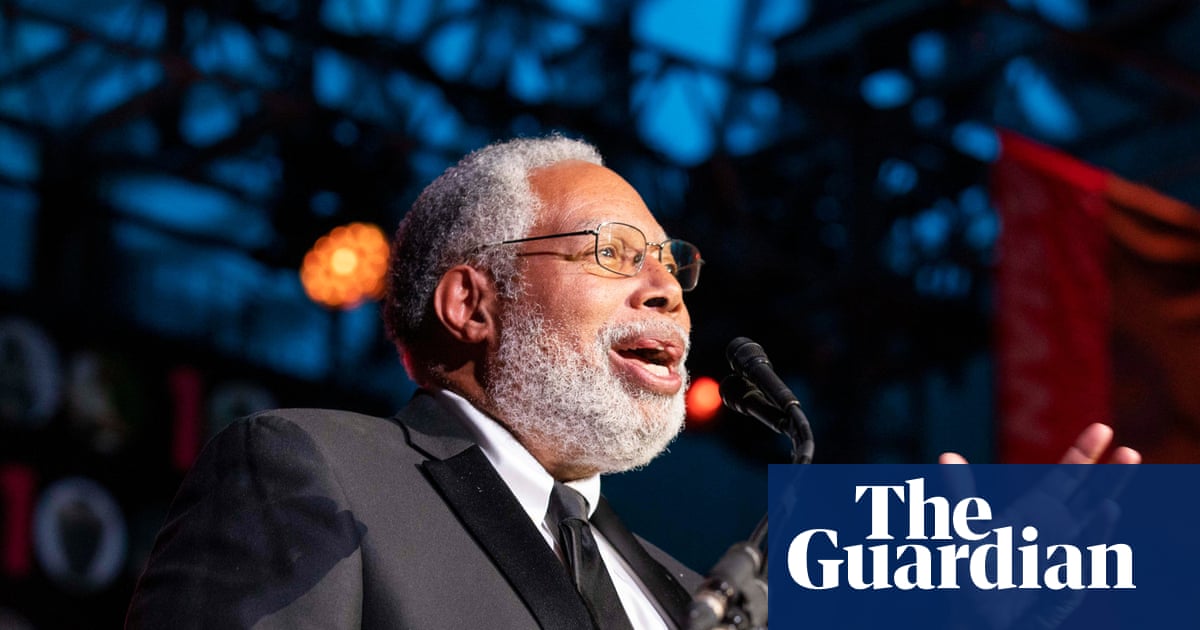
Lonnie Bunch III, the secretary of the Smithsonian Institution, has announced he will retire at the end of the current year. Bunch, who assumed leadership in 2019 as the first African American to hold the position, stated that his decision was driven by personal considerations. However, he also acknowledged the significant stress associated with recent political pressures directed at the museum complex. In a public statement, Bunch expressed pride in the institution's accomplishments and confidence in its future leadership, while noting the emotional toll of his tenure.
The departure follows an intensified effort by President Donald Trump to influence the Smithsonian’s operations and content. Although the administration largely avoided direct interference during Trump’s first term, it has recently sought to align the museum’s exhibits with specific political objectives. In March 2025, the president signed an executive order criticizing the institution for promoting what he described as a divisive, race-centered ideology. The order outlined measures intended to restore the Smithsonian as a symbol of American greatness, marking a shift in the relationship between the White House and the federal museum system.
Tensions escalated further in May 2025 when Trump attempted to remove Kim Sajet from her role as director of the National Portrait Gallery. The president characterized Sajet as partisan and opposed to his administration’s efforts to ban diversity and equity programs. Bunch resisted the move, asserting that hiring and firing authority rested with the Smithsonian leadership rather than the executive branch. Despite this pushback, Sajet resigned in June 2025, highlighting the friction between institutional autonomy and political directives.
The pressure campaign has continued into the summer of 2026. In July, Trump ordered the National Museum of American History to display signage accusing the institution of historical inaccuracies. As of now, these signs have not appeared on museum grounds. Bunch indicated in interviews that he had to strategically choose his battles to protect the Smithsonian’s integrity. He described a approach that involved drawing clear lines on certain issues while allowing others to pass, prioritizing the long-term survival and mission of the institution over personal satisfaction.
Bunch’s legacy includes the creation of the National Museum of African American History and Culture, a project he led as a historian before becoming secretary. His departure leaves a significant void in leadership during a period of heightened scrutiny for cultural institutions. The Smithsonian’s board of regents is responsible for selecting his replacement. This 17-member panel is chaired by Chief Justice John Roberts and includes members from both major political parties, as well as private citizens appointed to serve on the board.
The transition process may face logistical hurdles due to recent vacancies on the board. Three private citizen members saw their terms expire recently, and the Trump administration has not yet announced replacements for these positions. This delay could impact the timeline and composition of the group tasked with choosing Bunch’s successor. Chief Justice Roberts praised Bunch’s leadership, noting his commitment to excellence in telling the nation’s story and expressing hope for a smooth transition in the coming months.
The situation underscores broader questions about the role of federal museums in interpreting American history. While the Smithsonian is an independent federal agency, its funding and oversight structures make it vulnerable to political influence. Bunch’s acknowledgment of stress and his strategic management of conflicts suggest that maintaining institutional independence requires careful navigation of political pressures. The outcome of this leadership change will likely shape how the Smithsonian responds to future attempts to dictate its curatorial direction.
As the search for a new secretary begins, stakeholders are watching closely to see how the board balances political appointments with professional qualifications. The absence of recent appointees on the regents’ panel adds uncertainty to the process. Bunch’s retirement marks the end of an era defined by both significant cultural achievements and intense political scrutiny. The institution now faces the challenge of preserving its mission while operating under a administration that has openly questioned its historical narratives.
The Smithsonian’s response to these pressures will be tested in the months ahead. With Bunch stepping down, the next leader must navigate a landscape where political expectations and academic integrity often clash. The board’s ability to fill vacancies promptly and select a successor who can maintain stability will be critical. For now, the institution remains focused on its educational mission, even as external forces seek to redefine its role in public discourse.
This development reflects a growing trend of political engagement with cultural heritage sites. As debates over history and identity intensify, museums like the Smithsonian find themselves at the center of national conversations. Bunch’s departure is not just a personnel change but a signal of the challenges facing public institutions in polarized times. The coming months will reveal how effectively the Smithsonian can uphold its standards while managing external demands.
Sources behind this briefing
Go to the original reporting
- The Guardian World↗Smithsonian Institution secretary to retire amid Trump attacks on museum independence

