The short version
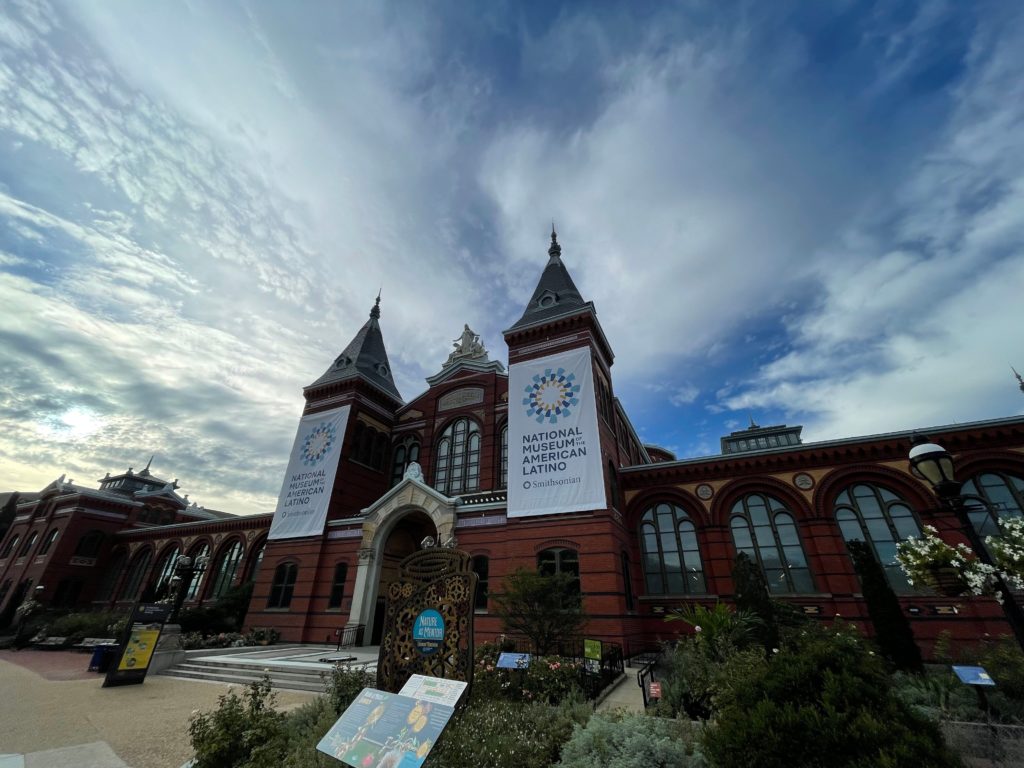
- The Smithsonian Board of Regents voted in August to locate the National Museum of the American Latino within the existing Arts and Industries Building on the National Mall.
- This decision allows the institution to proceed without seeking new congressional authorization, avoiding potential legislative delays or political opposition from current administration officials.
- Museum leadership emphasizes that the collection will focus on shared cultural narratives and historical impact rather than political affiliation or monolithic racial categories.
The National Museum of the American Latino has secured a permanent physical location after six years of operating without its own dedicated building. In August, the Smithsonian Institution’s Board of Regents voted to house the museum within the Arts and Industries Building, a historic structure situated on the National Mall. This decision marks a significant milestone for an institution that was officially enacted by legislation in December 2020 but has struggled with logistical and political hurdles since its inception.
The selection of the Arts and Industries Building is driven by both practical necessity and symbolic resonance. The structure, which dates back 145 years, is already owned by the Smithsonian. By utilizing existing property, the institution can move forward with renovations and planning without requiring new congressional approval for a construction site. This approach sidesteps the legislative process that often accompanies new federal building projects, thereby reducing exposure to potential political gridlock.
The timing of this decision carries significant weight given the current political climate. President Trump has publicly criticized the Smithsonian and proposed cuts to its funding. By avoiding the need for fresh congressional authorization, the museum’s leadership can proceed with development while minimizing the risk of federal support being withdrawn or delayed due to partisan disputes. This strategic move allows the project to maintain momentum despite external pressure.
Jorge Zamanillo, the founding director of the museum, noted that the effort to establish this institution has spanned more than three decades. Advocates argued for its creation to address a longstanding lack of representation for Latino communities within the Smithsonian and museums across the nation. While the legislative journey was lengthy, supporters compared it favorably to other major museum initiatives, such as the National Museum of African American History and Culture, which took a century to realize.
The original vision for the museum involved constructing a new facility from the ground up. However, the decision to repurpose the Arts and Industries Building offers distinct advantages. Located at the center of the National Mall, the site provides high visibility and historical significance. The first national museum opened in this building in 1881, making it a fitting location for the Smithsonian’s newest addition. Plans include expanding the footprint and potentially doubling the square footage to accommodate exhibits and visitor services.
A central challenge for the museum is representing the diverse experiences of the Latino diaspora without oversimplifying complex identities. Zamanillo emphasized that Latinos are not a monolith and do not constitute a single race or political bloc. The museum aims to capture shared cultural experiences and historical impacts that span centuries, rather than focusing on census categories or political affiliations. This approach seeks to highlight connections between different communities while preserving the nuances of their distinct histories.
The curatorial strategy focuses on scholarship and factual storytelling. Staff members are conducting interviews and collecting objects from communities across the country to build a comprehensive narrative. The goal is to present impactful stories that reflect the contributions of Latinos to the broader American history. By prioritizing cultural heritage over political identity, the museum intends to create an inclusive space that resonates with a wide audience.
As construction and planning proceed, the museum faces the task of integrating modern exhibition standards into a historic structure. The renovation will require careful attention to preservation while ensuring the building meets contemporary accessibility and safety codes. The successful completion of this project would demonstrate the Smithsonian’s ability to adapt its historic assets to serve new educational missions in a changing political landscape.
The establishment of a permanent home provides stability for future programming and fundraising efforts. With the location secured, the institution can focus on developing exhibits that educate visitors about the rich and varied history of Latino Americans. This step forward represents the culmination of decades of advocacy and offers a tangible space for exploring the ongoing influence of Latino culture in the United States.
Looking ahead, the museum will need to navigate the complexities of presenting a unified narrative while honoring regional and generational differences. The leadership team remains committed to rigorous research and community engagement to ensure accuracy and representation. As the Arts and Industries Building undergoes transformation, it will serve as a testament to the enduring effort to include Latino stories in the national historical record.
Sources behind this briefing
Go to the original reporting
- PBS NewsHour↗Smithsonian's American Latino museum finds permanent home on National Mall