The short version
- Paramount Skydance has finalized its $111 billion acquisition of Warner Bros. Discovery, forming a new corporate entity named Skydance.
- The merger reduces the number of major Hollywood studios from five to four, joining Sony, Disney, and Universal as dominant players.
- Regulatory settlements require separate negotiations for cable channels and establish an editorial independence board for CNN and CBS News.
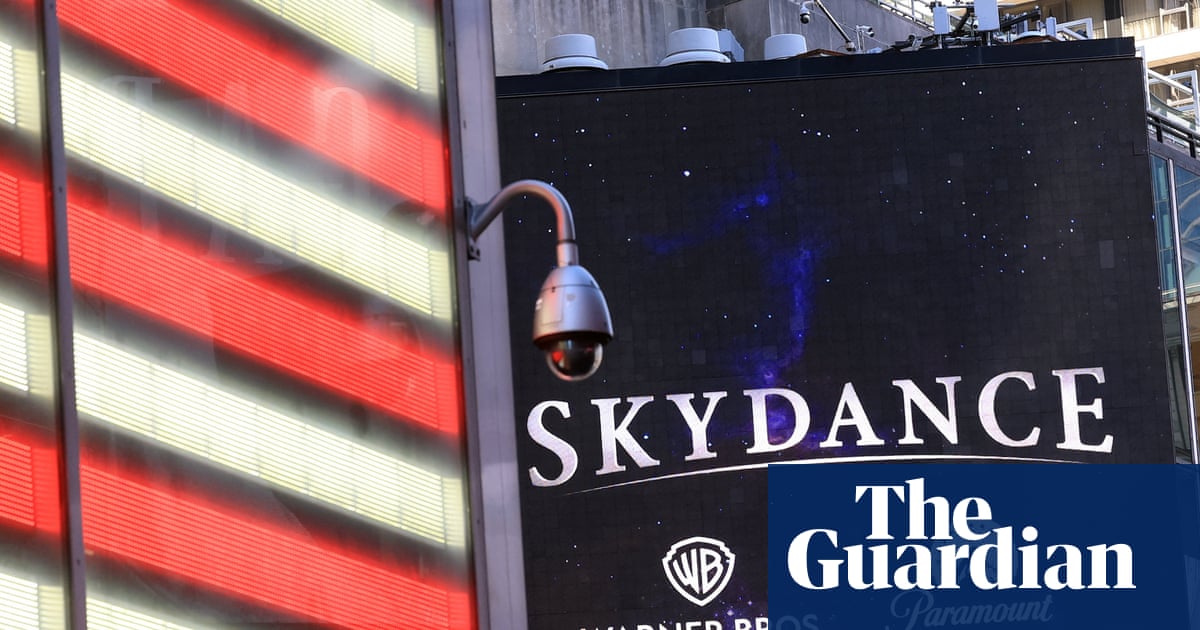
The media landscape has undergone a seismic shift with the completion of the $111 billion merger between Paramount Skydance and Warner Bros. Discovery. The deal, which was finalized after a series of legal challenges and regulatory hurdles, creates a new corporate behemoth under the banner of Skydance. This consolidation marks the end of an era for Hollywood’s 'big five,' reducing the number of major studio players to four: Skydance, Sony, Disney, and Universal. The transaction represents one of the largest mergers in entertainment history, fundamentally altering the competitive dynamics of the film and television industry.
David Ellison, the billionaire leader behind Skydance, has immediately begun to assert his influence over the newly combined entity. Reports indicate that Ellison is positioning the company not just as a traditional media conglomerate but as a technology-driven powerhouse. This strategic pivot suggests a broader vision for the future of content distribution and consumption. By integrating Warner Bros.’ vast library of intellectual property with Paramount’s streaming infrastructure, Skydance aims to leverage its scale to compete more effectively in the digital age. Ellison’s ambition extends beyond film production, encompassing live sports, news, and emerging tech platforms.
One of the most significant aspects of the merger is the consolidation of streaming services. HBO Max and Paramount+ are expected to merge into a single entity, although a specific timeline for this integration has not been disclosed. Industry analysts predict that this combination will lead to higher subscription prices, as the new service will likely command a premium due to its expanded content offerings. With Paramount+ currently being one of the more affordable options and HBO Max among the pricier ones, consumers may face monthly costs exceeding $25 or more. This trend reflects a broader pattern in the streaming market, where consolidation often results in increased prices for end-users.
The merger has also drawn scrutiny regarding its impact on news media, particularly CNN and CBS News. Following concerns about editorial independence under previous ownership structures, regulators required Skydance to establish an 'Editorial Independence Board' for these networks. Current CNN chair Mark Thompson is expected to remain in place for the time being, and Skydance has insisted that CNN will maintain its editorial autonomy. However, given Ellison’s known political connections, including his relationship with Donald Trump, some observers remain skeptical about the long-term integrity of these news outlets. The oversight board includes appointees from Ellison, which has provided limited comfort to critics worried about potential bias.
Legal opposition to the merger was significant but ultimately unsuccessful. A coalition of state attorneys general, led by California, filed a lawsuit arguing that the combination would violate antitrust laws by reducing competition. US District Judge Araceli Martínez-Olguín initially ruled in favor of the plaintiffs, suggesting that the merger could substantially harm market competition. However, a settlement was reached last month, which included concessions such as requiring separate negotiations for pay-TV rights and channel fees. This compromise allowed the deal to proceed, despite objections from free speech advocacy groups who argued that the settlement did not adequately address public concerns.
The implications for employees within the entertainment industry are also profound. Consolidation typically leads to layoffs and restructuring, which may have immediate negative effects on workers in both film and television production. While casual media consumers might not feel the direct impact of these job losses, the creative talent pool could be significantly affected. The fear among industry professionals is that reduced competition will lead to fewer opportunities for diverse voices and innovative projects. This concern remains unaddressed by the current regulatory framework, leaving many uncertain about the future of their careers.
From a consumer perspective, the most noticeable changes will likely be in pricing and content availability. As Skydance integrates its various holdings, including CBS, CNN, TNT, TBS, and others, the bargaining power with cable providers may shift. The requirement for separate negotiations for basic cable channels means that some aspects of business operations will continue as before, at least in the short term. However, the long-term strategy appears to favor a unified approach to content distribution, which could streamline offerings but also limit consumer choice.
What remains unresolved is the full extent of Ellison’s plans for the company’s technological transformation. While he has expressed interest in making Skydance a tech company, specific initiatives and investments have not been detailed. Additionally, the effectiveness of the editorial independence board in protecting journalistic integrity at CNN and CBS News will be tested over time. Public trust in these institutions may fluctuate depending on how well they adhere to their stated commitments.
Looking forward, the merger sets the stage for a new chapter in Hollywood history. The reduced number of major players could lead to more aggressive competition among the remaining studios, potentially driving innovation but also increasing risks for smaller independent producers. As Skydance navigates its first year as a unified entity, stakeholders will be watching closely to see how Ellison’s vision unfolds. The success or failure of this venture could have lasting repercussions for the entire entertainment ecosystem.
In conclusion, the completion of the Paramount-Warner Bros merger under Skydance represents a pivotal moment for the media industry. It consolidates power in fewer hands, raises concerns about consumer costs and editorial freedom, and signals a shift toward technology-driven business models. While some questions remain unanswered, the immediate impact is clear: Hollywood has entered a new era defined by scale, integration, and strategic realignment.
Sources behind this briefing
Go to the original reporting
- The Guardian US↗Goodbye Warner, hello Skydance: how will the major merger really impact Hollywood?
- Ars Technica↗Paramount completes $111B Warner merger, creating “Skydance” behemoth
- NBC News↗‘A Skydance Corp.’: David Ellison immediately puts his stamp on Warner Bros.
- CNN↗David Ellison has built a Hollywood giant in Skydance. Now he wants to make it a tech company

