The short version
- Two riders reported severe brain injuries within days of each other in July, prompting the indefinite closure of the X2 attraction.
- An investigation reveals a two-decade history of injuries and fatalities linked to the ride, alongside questions about state inspection protocols.
- Six Flags recently settled a wrongful death lawsuit related to the coaster, though the company previously denied liability for past incidents.
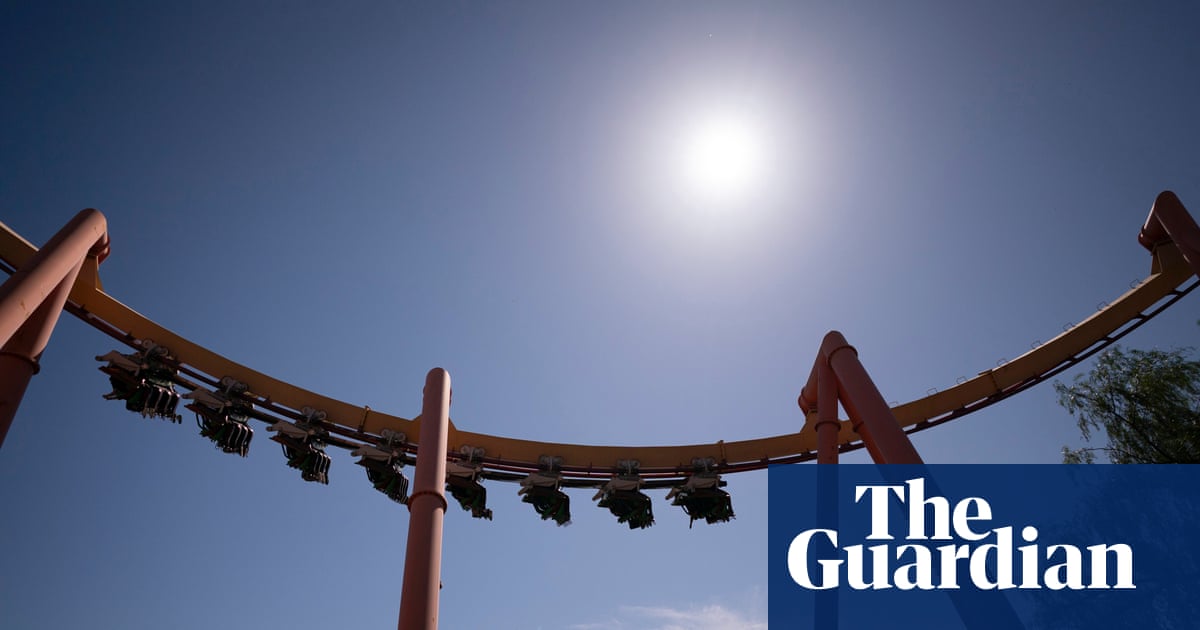
The X2 rollercoaster at Six Flags Magic Mountain in Valencia, California, has remained closed for more than a month following reports that two separate riders suffered significant brain injuries while using the attraction. The closure follows a series of incidents in July involving Pamela Guillen and Naomi Greer-Wilkinson, both of whom experienced loss of consciousness and required hospitalization after riding the coaster. Guillen, a resident of Hawaii, reported that her head struck the seat’s headrest during the ride, leading to a diagnosis of severe subdural hematoma and brain compression. She continues to manage chronic headaches and requires medication to prevent seizures.
Greer-Wilkinson, a Los Angeles resident who rode the attraction days after Guillen, also lost consciousness and was hospitalized with a traumatic brain injury. Unlike Guillen, Greer-Wilkinson remains in a coma. A spokesperson for Six Flags confirmed that the ride has been shut since July 12 but declined to comment on the specific details of the injuries or the ongoing investigation. The California Division of Occupational Safety and Health did not immediately respond to requests for comment regarding the safety status of the attraction or any potential regulatory actions.
The X2 is known for its intense design, which features seats that rotate 360 degrees while the train plummets and twists at speeds reaching up to 76 miles per hour. Marketed as a rite of passage for thrill-seekers, the ride has long been a focal point for debate regarding safety standards in the amusement industry. The recent injuries have reignited scrutiny over the mechanical integrity of the coaster and the adequacy of restraints designed to protect riders during high-G maneuvers.
An investigation by CNN highlighted a troubling pattern of incidents associated with the X2 over the past two decades. Reports indicate that multiple individuals have suffered injuries linked to the ride, including two fatalities. The inquiry also examined the process by which state officials inspect such attractions, noting that testing data provided by Six Flags was based on safety standards established by a committee comprised largely of theme park operators and ride manufacturers. This self-regulatory aspect has raised questions about the independence and rigor of safety evaluations.
Legal challenges have accompanied the physical risks associated with the X2. On August 28, 2026, Six Flags reached a settlement in a wrongful death lawsuit filed by the family of Christopher Hawley, a 22-year-old who died in 2022 from a brain injury allegedly caused by the rollercoaster. The terms of the financial settlement were not disclosed. Prior to the agreement, Six Flags had denied allegations that the ride was responsible for Hawley’s death. William Hawley, Christopher’s father, expressed hope that the resolution would contribute to ensuring the ride does not cause further harm.
The closure of the X2 represents a significant operational pause for Six Flags Magic Mountain, which has faced ongoing litigation related to the attraction. The company has historically defended its safety records, but the accumulation of severe injuries and fatalities has eroded confidence among some riders and advocates. The recent cases involving Guillen and Greer-Wilkinson underscore the potential severity of injuries that can occur even when riders follow all posted guidelines.
Regulatory bodies have yet to issue a formal statement regarding the specific causes of the July incidents or whether violations of safety codes occurred. The lack of immediate response from the California Division of Occupational Safety and Health leaves uncertainty about whether the closure is voluntary or mandated by state authorities. Inspectors typically rely on data submitted by park operators, a practice that has come under increased scrutiny following the recent investigative reporting.
For now, the X2 remains inaccessible to the public as investigations continue. The situation highlights broader concerns about safety protocols in high-thrill amusement rides and the effectiveness of current inspection regimes. As medical teams treat the affected riders, the focus shifts to determining whether mechanical failures, design flaws, or other factors contributed to the injuries. The outcome of these inquiries could influence future operations not only at Magic Mountain but across the industry.
The families of those injured have called for greater transparency and accountability. William Hawley’s comments earlier in the year reflected a desire to prevent further tragedies, emphasizing the need for rigorous safety measures. As Six Flags navigates the legal and operational aftermath of these events, the company faces pressure to demonstrate that it prioritizes rider safety over profit. The indefinite closure serves as a stark reminder of the risks inherent in extreme amusement rides.
Further developments are expected as medical evaluations conclude and regulatory reviews proceed. The case may set precedents for how similar incidents are handled in the future, particularly regarding the liability of park operators and the standards used to certify ride safety. Until more information is released by authorities or the company, the X2 will remain a symbol of the ongoing tension between thrill-seeking entertainment and public safety.
Sources behind this briefing
Go to the original reporting
- The Guardian World↗Rollercoaster at LA’s Six Flags shut after two riders suffered brain injuries, inquiry finds

