The short version
- Three primary plaintiffs have filed suit alleging catastrophic brain damage, with over one hundred additional individuals joining the legal action through their representation firm.
- Recent medical incidents include two women suffering brain hemorrhages requiring emergency surgery in July, injuries doctors attributed to rapid acceleration and deceleration forces.
- Six Flags states it does not comment on pending litigation but emphasizes its comprehensive safety program involving daily inspections and third-party evaluations.
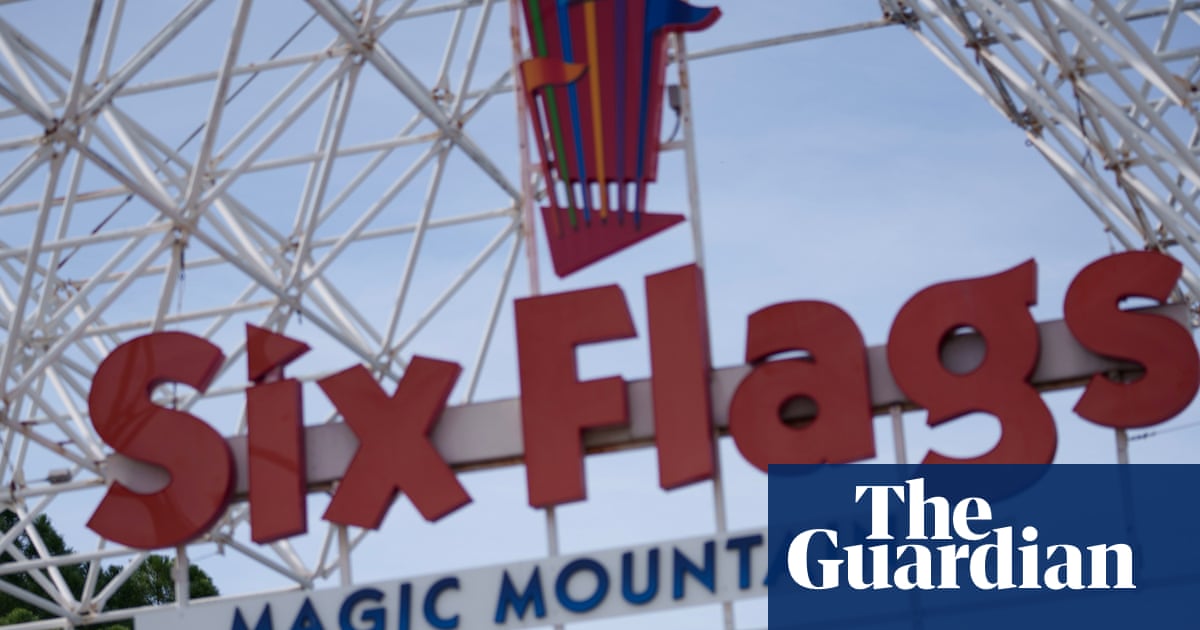
A significant legal challenge has emerged against Six Flags Magic Mountain in Valencia, California, centering on the X2 roller coaster. Three individuals have filed lawsuits alleging they sustained catastrophic brain damage after riding the attraction. Their legal representatives indicate that more than one hundred other people have joined these claims, reporting traumatic injuries linked to the same ride. This surge in litigation marks a sharp escalation in scrutiny for the amusement park, moving beyond isolated incidents to a coordinated legal front accusing the operator of negligence regarding guest safety.
The allegations stem from a pattern of severe injuries reported over recent months. In July, two women experienced brain hemorrhages that necessitated emergency surgical intervention. One of these individuals, twenty-five-year-old Naomi Greer-Wilkinson, remains hospitalized. Medical professionals attributed these specific injuries to a rapid acceleration-deceleration event experienced during the ride. These acute medical emergencies have drawn attention to the physical forces exerted on riders, suggesting that the mechanical dynamics of the coaster may pose risks beyond typical amusement park thrills.
Attorneys representing the plaintiffs argue that the design of the X2 is inherently dangerous. Gary Dordick, one of the lead lawyers, stated during a press conference that visitors sought family entertainment but instead suffered permanent harm. He emphasized that the injuries were not minor but catastrophic, affecting individuals who had no reason to expect such severe outcomes. Christopher Bulone, another attorney involved in the case, added that experts have indicated the ride possesses more variables and forces than standard coasters, making it uniquely hazardous. The legal team contends that these dangers are not reasonably foreseeable by riders.
The scope of potential liability appears broad according to the law firm handling the cases. More than three hundred people have contacted the attorneys to report injuries they believe are connected to the X2 ride. While only a fraction of these individuals have formally joined the primary lawsuits so far, the volume of complaints suggests widespread concern among former riders. The firm’s strategy involves consolidating these claims to highlight a systemic issue with the attraction rather than treating each injury as an isolated accident. This approach aims to demonstrate a pattern of harm that warrants judicial attention.
Historical data regarding the X2 coaster reveals a longer timeline of safety concerns. An investigation by CNN in August found that over nearly two decades, there have been more than a dozen reports of serious injuries associated with the ride. These historical incidents include two deaths, indicating that severe outcomes are not new to this attraction. The accumulation of past injuries alongside recent lawsuits provides context for the current legal actions, suggesting that the risks may have been present for years but are now being aggressively litigated.
Six Flags has responded by highlighting its safety protocols without addressing the specific merits of the lawsuits. A company statement noted that it does not comment on pending litigation. However, the park emphasized that it maintains a comprehensive safety program characterized by rigorous inspections and industry-leading standards. According to the Six Flags website, the facility conducts daily inspections and regular evaluations by third-party ride inspectors, state officials, insurance representatives, and internal engineering and safety experts. The company asserts that these measures ensure the integrity and safety of its attractions.
The X2 ride itself is described by the park as a fifth-dimension wing roller coaster designed to thrill even experienced enthusiasts. It features seats that rotate three hundred sixty degrees and flip as the vehicle reaches speeds of up to seventy-six miles per hour. The track includes half loops that transition into sheer drops, creating intense physical sensations. While the park markets these features as exciting, plaintiffs argue that the combination of high speed, rotation, and sudden directional changes creates dangerous forces that can cause severe bodily harm.
The X2 attraction has been closed since mid-July, following the incidents involving the two women who suffered brain hemorrhages. This closure prevents new injuries from occurring while legal proceedings unfold. The indefinite shutdown underscores the seriousness of the allegations and the potential financial and reputational risks for Six Flags. As the lawsuits progress, courts will need to determine whether the ride’s design constitutes an unreasonable danger or falls within acceptable parameters for thrill attractions. The outcome could set precedents for liability in amusement park safety.
The situation remains fluid as legal arguments develop and medical evidence is reviewed. Plaintiffs must prove that the injuries were directly caused by the ride’s operation and that Six Flags failed to meet reasonable safety standards. Conversely, the defense will likely rely on its inspection records and industry compliance to argue that the ride was safe when operated correctly. The resolution of these cases will depend on expert testimony regarding biomechanics, engineering standards, and the foreseeability of such injuries. Until then, the X2 remains a focal point for debates about risk management in entertainment venues.
This case highlights broader questions about consumer protection in high-risk recreational activities. Amusement parks operate under the assumption that riders accept certain levels of danger inherent to thrill rides. However, when injuries result from design flaws or operational failures rather than rider error, the line between acceptable risk and negligence becomes critical. The volume of claims against Six Flags suggests that many individuals feel this line was crossed. As litigation continues, the industry may face increased pressure to reevaluate safety standards for complex mechanical attractions.
Sources behind this briefing
Go to the original reporting
- The Guardian US↗Six Flags Magic Mountain sued over alleged ‘catastrophic brain damage’ from X2 ride

