The short version
- Singapore is exploring legal action against corporations linked to Indonesian wildfires, marking a significant escalation in regional diplomatic efforts to combat transboundary haze.
- The fires have caused severe health crises, with nearly 280,000 respiratory cases reported in Indonesia and widespread school closures and economic disruptions across neighboring nations.
- Despite initial reluctance to accept foreign aid, Indonesian authorities are now considering disaster declarations as civil society and political leaders demand accountability for slash-and-burn agricultural practices.
Singapore has signaled an intent to pursue legal action against companies implicated in the severe wildfires currently ravaging parts of Indonesia. This move represents a sharp departure from previous diplomatic approaches, which have often relied on quiet engagement and non-interference principles within the Association of Southeast Asian Nations. Prime Minister Lawrence Wong announced that his government is investigating specific entities responsible for the blazes while simultaneously distributing protective masks to vulnerable citizens. He emphasized that Singapore is seeking joint action with other regional partners to address the persistent smoke that has drifted across borders, affecting millions of people.
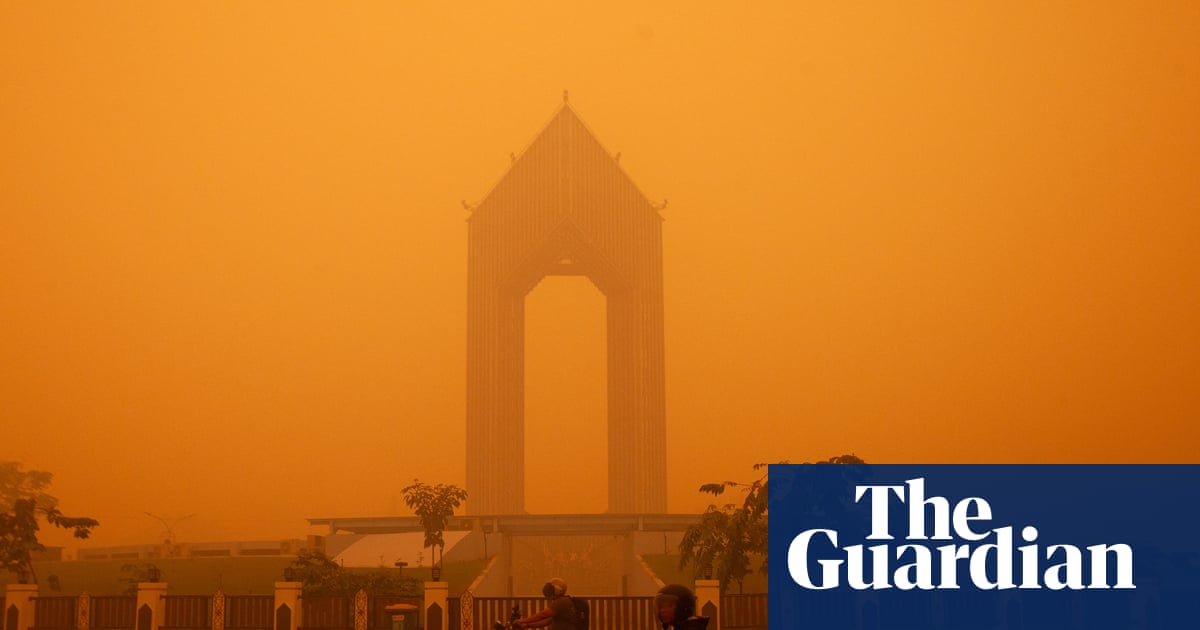
The current haze event is described as the most intense in more than a decade, driven by drier-than-usual conditions and widespread slash-and-burn practices used to clear land for agriculture. Indonesia remains the world’s largest producer of palm oil, an industry heavily linked to these deforestation methods. The resulting thick smoke has obscured skylines in Singapore and Malaysia, with images of skyscrapers vanishing into smog circulating widely on social media. The pollution has reached unhealthy levels, forcing school closures and causing a spike in respiratory illnesses across the region, including impacts felt as far away as the Philippines and Vietnam.
Public frustration is boiling over in neighboring countries, where residents are expressing anger at what they perceive as a recurring failure to address the root causes of the haze. A veteran Malaysian activist and former politician recently published a letter demanding that those responsible be named, investigated, and punished. The activist argued that clean air is a fundamental right rather than a favor granted by Indonesia. This sentiment reflects a growing impatience with diplomatic platitudes, as citizens bear the direct health and economic costs of the annual haze cycles.
The situation presents a complex legal and diplomatic challenge because several companies holding concessions in Indonesia are based in Singapore and Malaysia. A recent report by Greenpeace identified businesses headquartered in these city-states that were allegedly linked to land burning in Indonesia. While previous attempts to take legal action against such entities have often failed or created diplomatic friction, the current severity of the crisis is pushing leaders toward more assertive measures. The potential for prosecuting foreign-linked companies could set a new precedent for holding corporate actors accountable for transboundary environmental damage.
In Jakarta, pressure is mounting on the government to declare a national disaster. Such a declaration would unlock critical funds and provide assistance for medical expenses, which are becoming increasingly burdensome. The Indonesian health ministry has reported nearly 280,000 cases of respiratory infections linked to the fires, with children under five accounting for more than 60,000 of those cases. Civil society groups and student protesters in Kalimantan and Sumatra are demanding accountability, with some demonstrators holding signs calling for government intervention to protect public health.
Initially, Indonesian officials stated that the country was capable of handling the crisis independently. However, by the end of the week, Jakarta indicated it would accept international assistance. This shift follows intense criticism from regional leaders, including Malaysian Prime Minister Anwar Ibrahim, who urged immediate and effective action to tackle the root causes. The delicate balance of ASEAN diplomacy is being tested as nerves fray and public opinion turns against the perceived inaction or slow response from Indonesian authorities.
Tensions have also manifested in heated exchanges between officials. Syahganda Nainggolan, head of Indonesia’s government communication agency, responded to criticism by noting that Singapore and Malaysia rely on oxygen produced by Indonesian forests. His remarks went viral, highlighting the emotional charge surrounding the issue. Meanwhile, four firefighters were killed in a national park in Java, underscoring the human cost of the containment efforts. The forestry ministry has announced a crackdown on arsonists, but critics argue that targeting individual arsonists is insufficient without addressing the corporate interests driving land clearing.
Looking ahead, a meeting of regional foreign ministers is scheduled for next month in the Philippines, but many observers worry this timeline may be too late to mitigate the immediate health and environmental impacts. Rights groups are ramping up pressure on the Indonesian government to take stronger measures. The coming weeks will likely see increased scrutiny of corporate supply chains and potential legal challenges that could reshape how transboundary pollution is managed in Southeast Asia. The outcome of these efforts will have significant implications for regional cooperation and environmental policy enforcement.
Sources behind this briefing
Go to the original reporting
- The Guardian US↗‘Clean air is not a favour’: Indonesia’s neighbours fed up with acrid haze as Singapore threatens to prosecute

