The short version
- A multidisciplinary team identified cannabis seeds and preserved human hair in a Siberian tomb dating back approximately 2,800 years.
- The findings suggest psychoactive use of the plant occurred centuries earlier than previously documented evidence from neighboring regions.
- Independent experts question whether the chemical traces in the hair prove ingestion or merely reflect external exposure during burial.
A new study published in the journal Science proposes that humans were consuming cannabis for its psychoactive effects at least 2,800 years ago, significantly earlier than previously established records. The research centers on artifacts recovered from a monumental tomb in southern Siberia, belonging to the Scythians, an ancient nomadic group known for their migration across Central Asia into regions now comprising southern Russia and Ukraine. This discovery pushes back the timeline for confirmed recreational cannabis use by approximately three centuries compared to earlier findings in China.
The excavation took place at the Tunnug 1 site within the Uyuk Valley, a location characterized by harsh environmental conditions that challenged the international team of archaeologists from Germany, Russia, Sweden, and Switzerland. Working between spring and autumn, researchers endured swamps, snowstorms, frost, and mosquito infestations while living in tents on the remote steppe. Despite these difficulties, the dig yielded significant material culture, including weapons, horse gear, and animal-style motifs typical of Scythian burials.
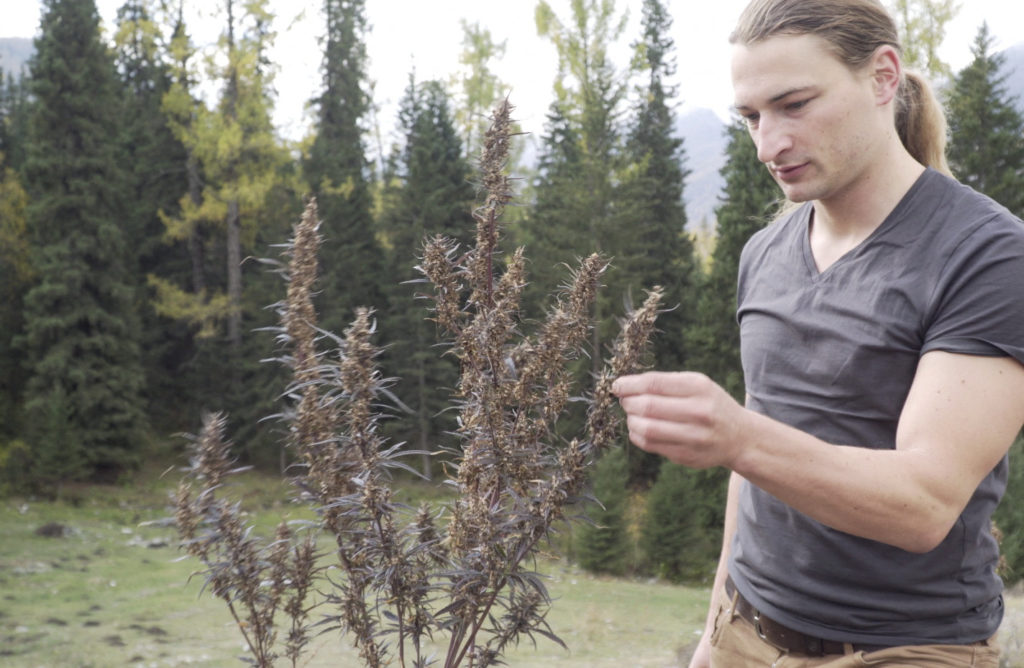
Among the larger artifacts, the team discovered more than 1,000 tiny black spots identified as cannabis seeds. Gino Caspari, an archaeologist at the University of Bern and co-author of the study, noted that the presence of these seeds was not accidental but deliberate, suggesting the plant held specific significance within the community. The discovery of both preserved plant parts and human soft tissue containing active compounds in the same context is described by the researchers as extremely rare in archaeological science.
The core of the new claim rests on the analysis of a preserved human hair braid found at the site. The study suggests that chemical traces within the hair indicate consumption of the plant for its intoxicating properties. This interpretation challenges earlier historical accounts, such as those by the Greek historian Herodotus, who wrote around 440 B.C. about Central Asian inhabitants smoking cannabis. While recent archaeologists have found seeds in various highland tombs, this study aims to provide direct biological evidence of use rather than relying solely on textual records or seed presence alone.
However, the methodology and conclusions have faced scrutiny from independent experts. Volker Auwaerter, head of the forensic toxicology section at the University Medical Center in Freiburg, Germany, criticized the hair analysis as scientifically weak. In an email, he argued that the study falls short of what was possible with available forensic techniques. Auwaerter emphasized that the data did not sufficiently distinguish between actual consumption and external exposure, noting that hair buried alongside cannabis seeds could have absorbed traces of the plant simply through contact.
Auwaerter pointed out that without rigorous forensic toxicology testing, it remains unclear whether the individuals ingested or inhaled the substance. He suggested that a more robust lab test would have been advisable and easy to arrange, stating that the hair data carries the main claims of the abstract regarding psychoactive use. His critique highlights the difficulty in proving ancient drug use definitively, especially when plants like cannabis have multiple utilitarian purposes, including oil production from seeds and fiber extraction for cloth.
Conversely, other scholars defend the significance of the findings. Elisa Guerra Doce, a researcher at the University of Valladolid in Spain who specializes in prehistoric consciousness-altering substances, stated that toxicological hair analysis is an established method in archaeology. She credited the authors with demonstrating that cannabis was not merely a funerary offering but was likely consumed by individuals involved in the burial rites. Her perspective supports the view that the chemical signatures found are indicative of actual use rather than passive contamination.
The debate underscores the complexities of interpreting ancient biological evidence. While radiocarbon dating helped establish the origin time of the seeds, the precise method of consumption—whether through inhalation or ingestion—remains uncertain according to Caspari. The study provides a compelling narrative about early Scythian practices, but the scientific community remains divided on whether the current evidence is sufficient to confirm psychoactive use beyond reasonable doubt.
As researchers continue to analyze materials from the Valley of the Tsars, this case illustrates the intersection of archaeology and forensic science. The findings offer a glimpse into the ritualistic and possibly medicinal or recreational lives of ancient nomads. Whether these results will stand as definitive proof of early cannabis high culture depends on future studies that may employ more stringent toxicological protocols to resolve the current ambiguities.
The publication of these results adds a new layer to the understanding of ancient drug use, moving beyond historical texts to biological markers. While the presence of seeds alone does not confirm recreational use, the combination with hair analysis offers a unique dataset. The ongoing discussion among experts reflects the high standards required to validate claims about ancient behaviors, ensuring that interpretations are grounded in robust scientific evidence rather than speculation.
Sources behind this briefing
Go to the original reporting
- PBS NewsHour↗Seeds and preserved hair in tomb point to oldest signs of cannabis high 2,800 years ago, study suggests


