The short version
- Heavy rainfall caused life-threatening flash flooding in north central Georgia and adjacent Tennessee communities, leading to dozens of water rescues.
- Emergency crews are stretched thin after responding to simultaneous structure fires, while officials warn that floodwaters remain dangerous even if rain subsides.
- Schools in affected counties have closed for the day, and a boil water advisory is in effect for McCaysville as search operations continue.
Severe weather systems brought intense rainfall to the border region between Georgia and Tennessee late Wednesday night and into Thursday morning, resulting in life-threatening flash flooding. The National Weather Service issued urgent warnings for the area, characterizing the situation as particularly dangerous and instructing residents to seek higher ground immediately. The agency highlighted specific risks to low-water crossings, small creeks, urban areas, highways, and underpasses, emphasizing that most flood-related fatalities occur when individuals attempt to drive through inundated roads.
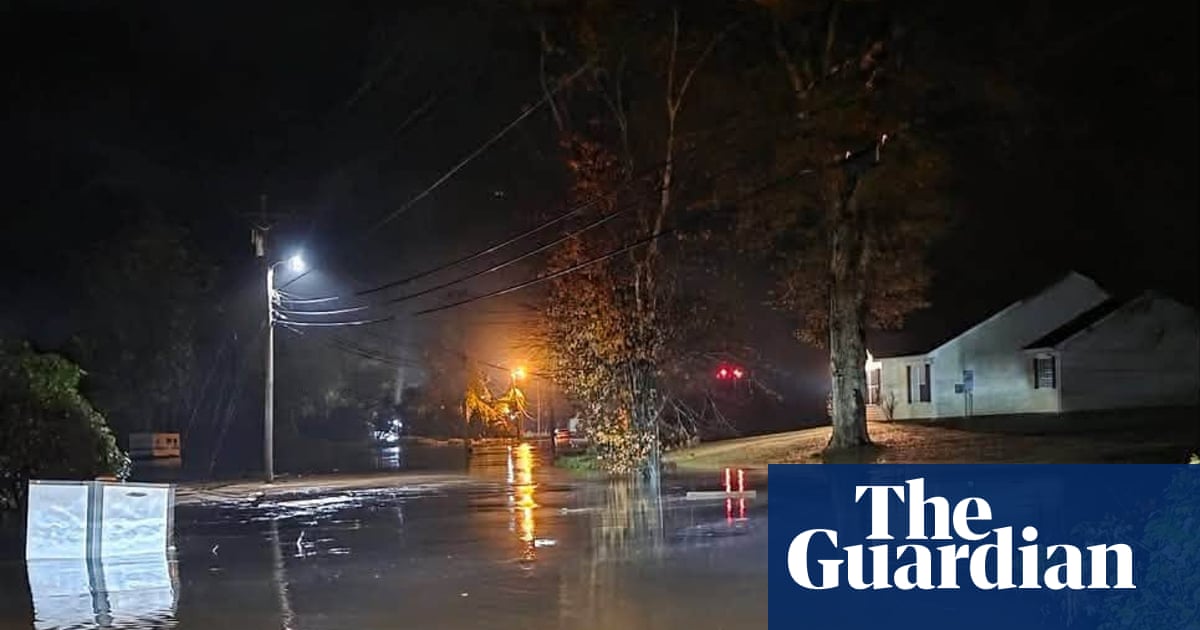
McCaysville, located in north central Georgia, experienced some of the most significant impacts, receiving up to five inches of rain by Thursday morning. This deluge triggered rapid flooding along the Toccoa River, which forms the boundary with Copperhill, Tennessee. Local law enforcement reported that water levels in certain sections reached six to seven feet, creating hazardous conditions for both residents and emergency personnel. The sheer volume of water overwhelmed local drainage systems and natural waterways, turning streets into swift currents.
Rescue operations began early Thursday morning as first responders deployed boats and aviation assets to reach stranded individuals. By mid-morning, McCaysville Police Chief Michael Earley confirmed that more than thirty people had been rescued from the rising waters. He described the event as unprecedented in his experience, noting the difficulty of conducting evacuations under such hazardous conditions. Informal reports later suggested the number of water rescues may have exceeded fifty, indicating the scale of the emergency response required.
The complexity of the situation was compounded by concurrent emergencies. Robert Poole, a spokesperson for Fannin County emergency management, explained that local resources were already strained due to multiple structure fires ignited by lightning strikes earlier in the storm system. As the rain intensified, crews had to pivot from firefighting to water rescues, stretching their capabilities even further. One notable incident involved a man who called for help after his vehicle was swept away down a creek; although communications were lost, responders identified a potential location and attempted to reach him safely.
Georgia Governor Brian Kemp announced that the state’s emergency management agency was coordinating a multi-agency response effort. This collaboration included local county teams, Tennessee first responders, and specialized assets such as helicopters and rescue boats. Game wardens from the Georgia Department of Natural Resources also joined the search-and-rescue operations in Fannin and Murray counties, assisting with efforts to locate and assist those affected by the flooding.
Authorities issued strict warnings against complacency, noting that the cessation of rainfall does not guarantee safety. Emergency management agencies emphasized that floodwaters remain extremely dangerous and conditions can deteriorate further even after the storm passes. Residents were advised to avoid flooded roads entirely, with officials reiterating the mantra to turn around rather than risk drowning in vehicles caught in rising water.
In addition to immediate rescue efforts, practical disruptions affected daily life in the region. A boil water advisory was issued for McCaysville, signaling potential contamination of the local water supply. Schools in Fannin and Gilmer counties announced closures for Thursday due to hazardous road conditions, ensuring student safety while infrastructure assessments were conducted. In Copperhill, Tennessee, city officials issued evacuation warnings for specific areas at 3 a.m. ET, reflecting the cross-border nature of the disaster.
As the immediate crisis continues, the focus remains on locating any remaining trapped individuals and assessing the extent of damage to homes and infrastructure. The combination of heavy rain, lightning-induced fires, and rapid flooding has created a complex emergency scenario that requires sustained coordination between state and local agencies. Residents in both Georgia and Tennessee are urged to stay informed through official channels and avoid unnecessary travel until conditions stabilize.
Sources behind this briefing
Go to the original reporting
- The Guardian World↗Heavy rains bring flash flooding to Georgia-Tennessee border area


