The short version
- Violent incidents in Palestinian-administered zones have nearly doubled since 2025, marking a significant geographic shift in settler aggression.
- Senior Israeli ministers appear to support this expansion, aligning with efforts to dismantle the administrative divisions established by the Oslo peace accords.
- International sanctions against key political figures reflect growing global concern over the escalating violence and its impact on diplomatic prospects.
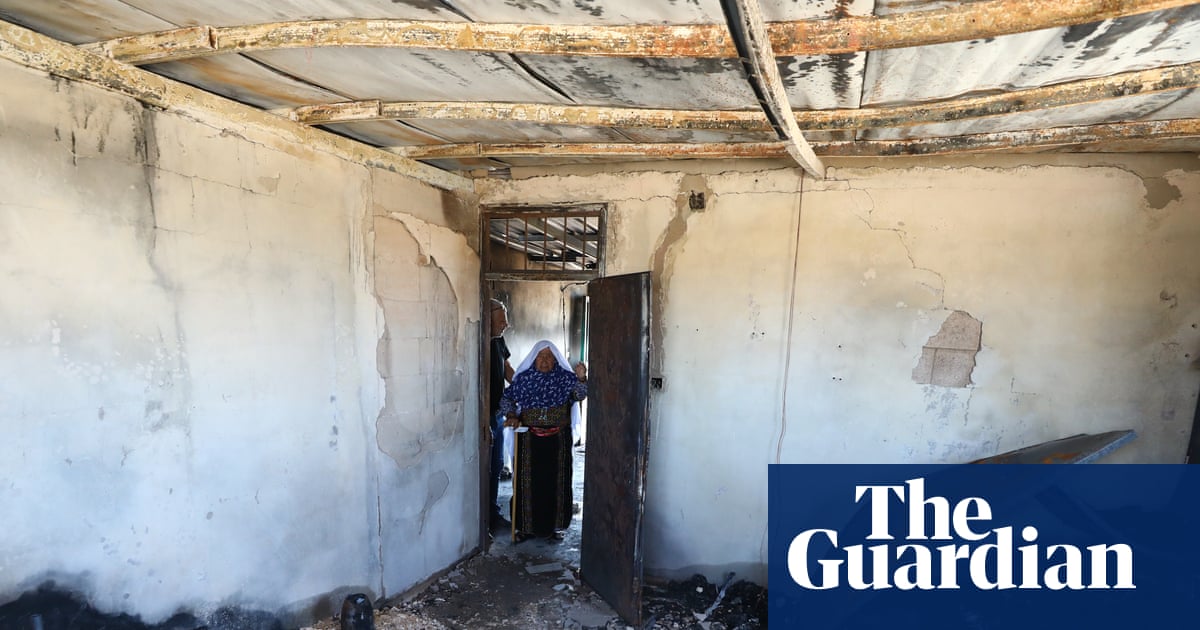
A significant geographic shift in violent incidents within the occupied West Bank has emerged, with aggression moving from areas under exclusive Israeli control into zones governed by the Palestinian Authority. According to a recent report by Yesh Din, an Israeli human rights organization, attacks in Areas A and B have almost doubled compared to figures from 2025. These regions, which encompass major cities and rural built-up spaces, were designated for Palestinian civil and security administration under the 1995 Oslo accords. The data suggests that nearly two-thirds of settler violence recorded so far in 2026 has occurred within these specific territories, signaling a deliberate change in strategy by settlers who describe their actions as part of a broader movement to establish a permanent presence in the heart of land earmarked for a future Palestinian state.
The statistical trend highlights a stark contrast between current and previous years. In Area B, which accounts for roughly 22 percent of the West Bank and includes rural Palestinian communities, violent incidents now represent 55 percent of the total, up from just 25 percent last year. Conversely, attacks in Area C, where Israel maintains full civil and security control over approximately 60 percent of the territory, have declined from 67 percent to 37 percent of the overall figure. This redistribution of violence coincides with the establishment of new farming outposts in Areas A and B since 2024. Settler leaders have openly stated that these initiatives are designed to secure strategic footholds in locations critical to Palestinian daily life, effectively challenging the administrative boundaries set decades ago.
The Oslo accords originally divided the West Bank into three distinct areas with the intention of eventually forming a unified Palestinian state. Area A, comprising about 18 percent of the land and including major urban centers like Ramallah and Nablus, was placed under full Palestinian civil and internal security control. Area B saw shared security arrangements but Palestinian civil authority. Area C remained under Israeli military and civil jurisdiction. While all three areas were theoretically part of a future state framework, successive Israeli governments have pursued policies that undermine Palestinian sovereignty claims. The current surge in violence within Areas A and B represents an intensification of this long-term policy, driven by settler groups seeking to alter the demographic and political reality on the ground.
Evidence suggests that this expansion is not merely grassroots activity but aligns with broader governmental objectives. Yesh Din notes that the successful establishment of numerous outposts in violation of Israeli law indicates a deliberate choice by authorities not to address the issue effectively. Senior ministers, including Itamar Ben-Gvir and Bezalel Smotrich, have publicly expressed ambitions to abolish the Oslo divisions and gain control over Area B. A map circulated earlier this summer by the Hilltop Foundation, which supports outpost establishment, displayed sixteen new sites between Ramallah and Nablus alone. The accompanying text boasted of a revolution in these Oslo-designated areas, pledging continued support for expansion efforts despite legal prohibitions.
The human cost of this escalating violence is rising sharply. As of late July, the United Nations Office for the Coordination of Humanitarian Affairs reported that eighteen Palestinians had died in attacks involving settlers or Israeli forces. Of these fatalities, twelve were killed directly by settlers and three by Israeli security forces, while responsibility for the remaining three deaths remained disputed. The frequency of attacks is also increasing, with approximately 190 incidents recorded per month during the first four months of 2026. This trajectory suggests the West Bank could see more than 2,000 attacks by the end of the year, placing immense pressure on local communities and security forces tasked with maintaining order in increasingly volatile environments.
International reaction to these developments has grown increasingly critical. Governments in the United States and Europe have imposed sanctions on settlers and pro-settler political figures, including National Security Minister Ben-Gvir. French Foreign Minister Jean-Noël Barrot described the situation as utterly disgraceful upon announcing France’s sanctions, emphasizing that the events should provoke revulsion among the international community. These diplomatic measures reflect a growing consensus that the current trajectory threatens not only regional stability but also the foundational principles of international law regarding occupation and self-determination. The sanctions aim to signal disapproval of policies that appear to facilitate or ignore settler violence.
The implications for peace prospects are profound. By targeting areas under Palestinian governance, settlers are directly challenging the feasibility of a two-state solution based on existing administrative boundaries. Yesh Din argues that as violence intensifies in Area C, Palestinians are forcibly pushed into Areas A and B, making these zones increasingly critical for safety and normalcy. The erosion of security in these spaces undermines the Palestinian Authority’s ability to govern effectively and erodes public confidence in any potential diplomatic resolution. The shift represents more than a tactical change; it is a strategic move to render the concept of a contiguous Palestinian state unworkable through demographic and physical entrenchment.
Looking ahead, the situation remains precarious with no clear mechanism to halt the escalation. While international sanctions provide a form of diplomatic pressure, they have not yet resulted in a cessation of violence or a reversal of settlement expansion policies. The alignment between settler actions and government rhetoric suggests that without significant political change in Israel, the trend toward increased aggression in Palestinian-governed areas will likely continue. For Palestinians living in Areas A and B, the immediate concern is physical safety and the preservation of their communities against encroachment. For the international community, the challenge lies in addressing a situation where legal frameworks are being systematically undermined by actions that appear to have tacit or explicit state support.
The data presented by Yesh Din offers a sobering assessment of the current reality on the ground. The rapid shift in violence from Area C to Areas A and B is not an isolated phenomenon but part of a coordinated effort to reshape the West Bank’s political landscape. As the number of attacks climbs and fatalities rise, the window for diplomatic engagement narrows. The actions of settlers, supported by elements within the Israeli government, are effectively testing the limits of international tolerance and Palestinian resilience. Unless addressed through robust political and legal measures, the current trajectory threatens to cement a de facto annexation of large parts of the West Bank, rendering previous peace agreements obsolete and deepening the conflict for generations to come.
Sources behind this briefing
Go to the original reporting
- The Guardian World↗Israeli settler attacks shift to heart of territory earmarked for Palestinian state

