The short version
- Elmo appeared at a Climate Week event to discuss a new Sesame Street episode depicting a severe storm, using the character to model coping mechanisms for young audiences.
- Sesame Workshop research indicates that extreme weather events significantly disrupt children's daily routines, including school attendance and outdoor play, causing widespread anxiety among families.
- Experts at the gathering emphasized that children can understand climate concepts when presented with actionable solutions and reassurance that adults are actively addressing the crisis.
A prominent figure from early childhood education took center stage at a New York City Climate Week event on Tuesday, offering a unique perspective on how young people process environmental disasters. Elmo, the red Muppet from Sesame Street, addressed an audience to discuss the emotional impact of extreme weather, drawing parallels between a fictional storm depicted in a recent episode and real-world climate challenges facing children today.
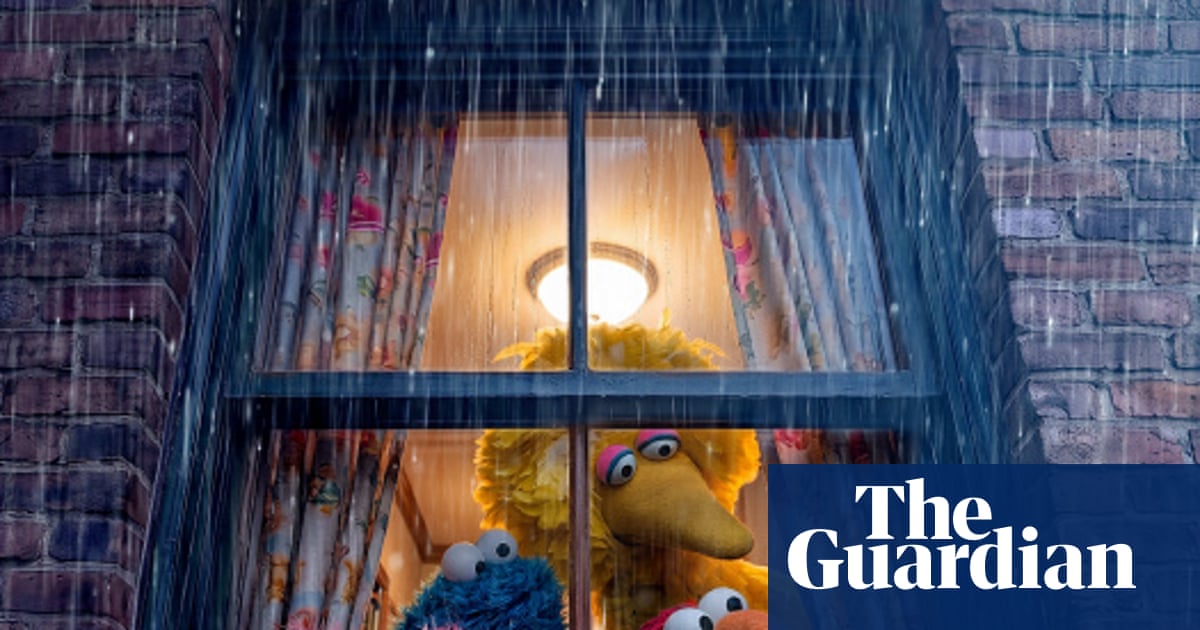
The appearance was part of a program titled 'Big Storms, Big Feelings,' which aimed to highlight the psychological effects of global heating on younger generations. Elmo recounted his character’s experience during a severe storm that struck Sesame Street, an event featured in an episode alongside musician Post Malone. He described the aftermath, noting that the neighborhood was littered with debris and branches, fundamentally altering its familiar appearance.
Despite the fear associated with such events, the Muppet emphasized resilience and community support as vital coping strategies. Elmo stated that courage involves helping others even when one feels afraid. He shared that his character prepared a emergency kit in advance and participated in cleanup efforts alongside neighbors. The narrative underscored the idea that home is defined by relationships rather than physical structures, suggesting that staying connected with loved ones provides stability regardless of weather conditions.
The event served as a platform for Sesame Workshop to share findings from recent research into how children interpret extreme weather phenomena. Kim Foulds, the vice-president of research and insight at the organization, explained that the study sought to understand how families navigate these discussions across diverse global contexts. The goal was to identify effective ways for parents to communicate about climate issues without causing undue distress.
According to Foulds, parents expressed significant alarm regarding the frequency and intensity of extreme weather events. Children reported experiencing severe heat, flooding, and other disasters that physically affected them and disrupted their daily lives. The research highlighted that these disruptions were not limited to specific regions but were felt globally, with extreme heat being a common experience across different geographies.
The most significant impact identified by the study was the interruption of routine activities essential for child development. Foulds noted that children faced challenges such as missing school, losing access to outdoor play areas, and having reduced opportunities to interact with friends and parents. These disruptions contribute to a sense of instability and anxiety, making it crucial for caregivers to provide consistent support and explanation.
Experts participating in the event, including climate scientists and representatives from Unicef, agreed that while discussing climate change with children can be difficult, young people are capable of understanding the concepts when presented appropriately. They suggested that focusing on small-scale, direct actions, such as planting trees, can empower children and reduce feelings of helplessness. The consensus was that children grasp these ideas more readily than adults when the information is framed positively.
Katharine Hayhoe, a climate scientist, stressed the importance of conveying two key messages to children: that others care about the issue and that effective solutions exist. She argued that this approach is beneficial for individuals of all ages, from five-year-olds to nonagenarians. By emphasizing community care and actionable steps, adults can help mitigate climate anxiety and foster a sense of agency among younger generations.
The event reflected a broader shift in how media organizations are addressing the climate crisis, moving beyond political discourse to focus on personal and emotional resilience. As political leaders continue to struggle with galvanizing sufficient action, cultural institutions like Sesame Street are stepping in to provide tools for families to navigate the growing reality of extreme weather. The reception from the New York audience suggested a strong appetite for content that addresses these concerns with empathy and practical advice.
Looking ahead, Sesame Workshop plans to continue developing resources that help children make sense of environmental changes. The success of the 'Big Storms, Big Feelings' event indicates that there is a need for more nuanced discussions about climate impacts on mental health and daily life. By integrating scientific insights with engaging storytelling, the organization aims to support both children and parents in building resilience against the challenges posed by a changing climate.
Sources behind this briefing
Go to the original reporting
- The Guardian US↗At Climate Week, Elmo recalls a storm on Sesame Street: ‘Courage is when you still help others’

