The short version
- Aleksandar Vucic conceded the parliamentary election to the Students' List, ending his party's long hold on power.
- The victory follows sustained protests triggered by a deadly infrastructure collapse and widespread accusations of corruption.
- Vucic attributed the loss to foreign interference while supporters celebrated the end of his administration in Belgrade.
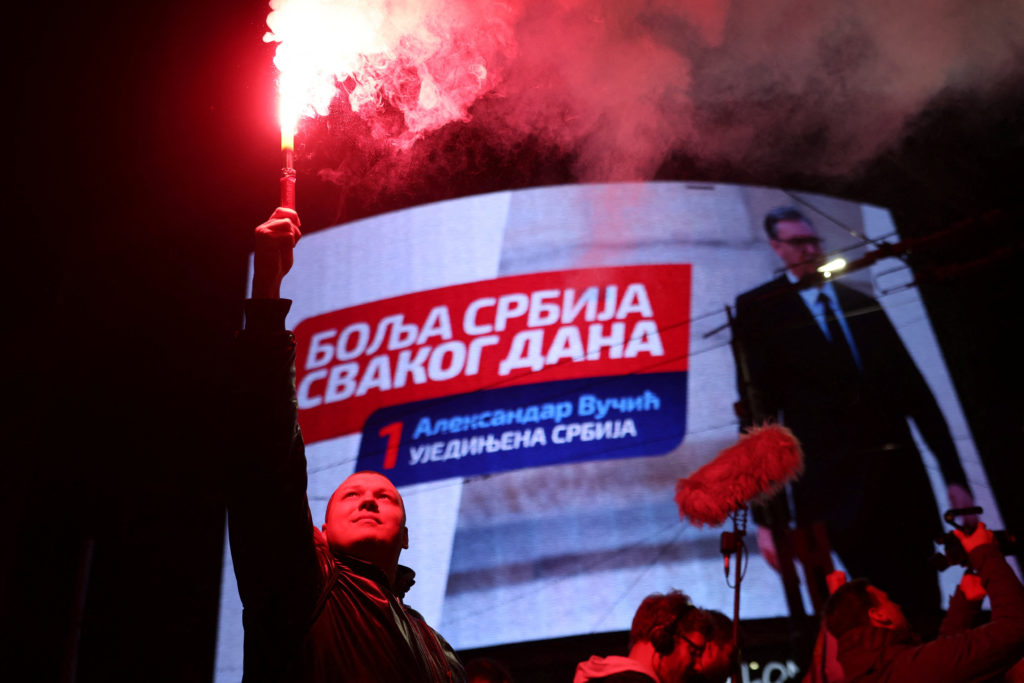
Aleksandar Vucic, the long-serving leader of Serbia, conceded defeat on Sunday in a parliamentary election that marked a dramatic reversal for his right-wing Serbian Progressive Party. The result signals a seismic political shift in the Balkan nation, where Vucic had maintained near-absolute control for 14 years. His concession came shortly after polls closed, acknowledging that the diverse, student-led opposition movement known as the Students' List had secured a majority of seats in the 250-member Parliament.
Vucic projected that his opponents would take between 135 and 140 seats, while his own party would secure approximately 105. He stated that his party received around 1.7 million votes compared to roughly 2.2 million for the Students' List. Despite accepting the outcome, Vucic blamed the loss on independent media outlets and alleged interference from unnamed European nations and an American deep state. This narrative of external manipulation has been a consistent theme in his rhetoric against the youth movement he previously dismissed as a foreign-backed attempt to destabilize the government.
The election was characterized by high turnout and rising tensions throughout the day. Police in anti-riot gear cordoned off areas near the election commission headquarters in Belgrade, while special police vehicles were positioned near camps where Vucic loyalists had gathered for over a year. Large groups of men in black clothing congregated at various points across the capital, raising concerns about potential unrest. However, the atmosphere quickly shifted to euphoria as supporters of the Students' List flooded the streets, honking horns and chanting slogans declaring that Vucic was gone.
The opposition's success is rooted in a two-year campaign of protests sparked by a tragic infrastructure failure in 2024. A concrete canopy collapsed at a train station in Novi Sad, killing 16 people. The disaster ignited widespread anger over allegations of high-level corruption, cronyism, and graft during renovation projects. For many citizens, including the mother of one victim who was seen celebrating in Belgrade, the election result represents a long-awaited opportunity for accountability and justice.
The Students' List movement presented a stark contrast to traditional political structures. Although shaped by university students, none of them appeared on the electoral ballot. Instead, the list featured little-known experts, athletes, farmers, and artists. This strategy was designed to counter Vucic's centralized authority and restore a sense of community solidarity. The campaign focused on non-partisan efforts to rebuild the economy and restore democratic institutions, appealing to voters disillusioned with established political figures.
Vucic had resigned from the presidency last month to lead his party's campaign for the prime minister position. While he retained considerable support among voters who viewed him as a capable leader able to navigate global uncertainties, his grip on power had eroded significantly since the Novi Sad tragedy. The mainstream media, which had carefully crafted his image as a stabilizing force, faced intense scrutiny from protesters who accused it of shielding corruption and dismantling democratic norms.
The student movement's ability to mobilize voters extended beyond urban centers. Campaigners cycled and walked through rural areas, traditionally strongholds for Vucic's party, to reach disillusioned citizens. Their youthful energy and message of solidarity resonated with a broad demographic that had previously felt excluded from the political process. This grassroots approach proved effective in challenging the entrenched power structures that had defined Serbian politics for over a decade.
The outcome in Serbia echoes recent political shifts in neighboring countries, including the electoral defeat of Viktor Orbán's ally in Hungary. In both cases, increased youth participation played a crucial role in ousting long-standing autocratic figures. The victory in Belgrade is likely to have broader implications for regional politics, signaling a potential wave of democratic renewal across the Balkans. As celebrations continue, the focus now turns to how the new government will address the issues of corruption and accountability that fueled the protests.
Vucic's concession speech was brief but significant, marking the end of an era defined by his dominance. While he attempted to frame the loss as a result of external pressures, the overwhelming support for the Students' List suggests a genuine shift in public sentiment. The dismantling of pro-Vucic camps and the joyous crowds in Belgrade underscore the depth of the political change. The coming months will test whether the new leadership can deliver on its promises to restore democracy and rebuild trust in government institutions.
The election results highlight the power of sustained civic engagement in challenging authoritarian tendencies. The Students' List movement demonstrated that organized, non-partisan activism could overcome entrenched political machines. As Serbia moves forward, the international community will watch closely to see how this transition unfolds. The success of the youth-led opposition offers a hopeful precedent for other nations grappling with similar challenges of corruption and democratic backsliding.
Sources behind this briefing
Go to the original reporting
- PBS NewsHour↗Serbia's strongman leader Vucic concedes defeat to student-led movement in seismic political shift