The short version
- Authorities detained ten officers, including nine from an elite unit, for allegedly torturing protesters in a government garage.
- The arrests mark the first major legal action regarding police conduct during the widespread anti-corruption demonstrations of 2025 and 2026.
- These protests were triggered by a deadly infrastructure collapse and resulted in the electoral defeat of the Serbian Progressive Party.
Serbian authorities have detained nine active police officers and one former officer in connection with allegations of excessive force used against demonstrators during recent anti-corruption protests. The interior ministry announced the arrests on Wednesday, marking a significant development in the ongoing reckoning with police conduct during the civil unrest that has gripped the country over the past two years. This action represents the first major set of detentions linked to the violence that characterized the demonstrations in Belgrade and other cities.
According to the interior ministry, the suspects served in an elite police unit and were responsible for torturing and intimidating individuals who had been detained during the protests. The ministry stated that these actions took place in the garage of a government compound located in downtown Belgrade on August 14 and 15, 2025. Officials claimed that the officers used force and threats to inflict severe pain and suffering on a large number of persons, with the intent of extracting information and unlawfully punishing them.
The ministry released only the initials of the detained officers and the former officer, maintaining anonymity for the suspects at this stage of the investigation. The statement emphasized that the actions were intended to intimidate detainees and extract information through coercion. This disclosure provides specific details about the location and timing of the alleged abuses, offering a concrete focal point for what has been a broader pattern of complaints regarding police behavior during the demonstrations.
The protests themselves emerged in the wake of a tragic infrastructure failure in Novi Sad on November 1, 2024, when a concrete canopy at a renovated railway station collapsed, killing sixteen people. The disaster sparked widespread anger and suspicion regarding corruption and negligence within the government. These sentiments fueled large-scale demonstrations across Serbia throughout 2025 and 2026, as citizens demanded accountability and transparency from state institutions.
The political consequences of these protests were profound, culminating in a snap parliamentary election held on October 25. The Serbian Progressive Party (SNS), which has long been associated with former president Aleksandar Vučić, was ousted from power by the leaderless Student List. This electoral shift marked a dramatic change in the country’s political landscape and signaled a public rejection of the status quo that had prevailed for years under SNS leadership.
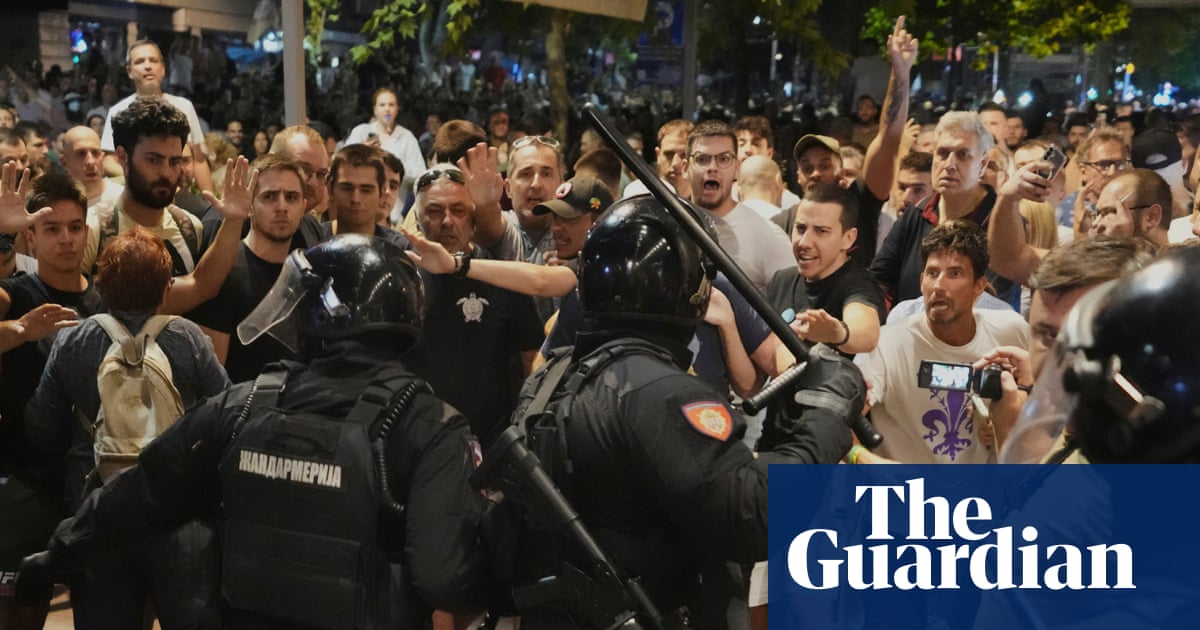
During the demonstrations, police employed various crowd-control measures, including teargas, stun grenades, and vehicles designed to disperse crowds. Dozens of students, activists, and participants have accused law enforcement of using excessive force, resulting in physical injuries and psychological trauma. These allegations have been a central point of contention between protest organizers and state authorities, with rights watchdogs and opposition politicians highlighting the severity of the police response.
Critics of the former administration, including students, activists, and opposition figures, have long accused Vučić and the SNS of political violence, media suppression, ties to organized crime, and systemic corruption. These accusations were denied by Vučić and his allies, who maintained that their governance was legitimate and lawful. The current detentions may serve as a test case for how the new political leadership addresses these longstanding allegations of misconduct.
As Serbia continues its path toward European Union membership, the handling of these cases will likely be scrutinized by international observers. The EU has emphasized the importance of rule of law and human rights in its accession criteria. The detention of high-profile police officers suggests a willingness to confront past abuses, but the full extent of accountability remains to be seen as investigations proceed.
The next steps in this process will involve formal charges and potential trials for the detained officers. Legal proceedings could take considerable time, given the complexity of the allegations and the number of individuals involved. Meanwhile, public attention remains focused on whether these arrests represent a genuine commitment to justice or merely a symbolic gesture following the political transition.
The situation underscores the delicate balance between maintaining order and respecting civil liberties in a democracy undergoing significant change. The outcome of these cases may influence future police conduct and public trust in law enforcement institutions. For now, the detentions stand as a pivotal moment in Serbia’s recent history, reflecting both the intensity of past conflicts and the potential for institutional reform.
Sources behind this briefing
Go to the original reporting
- The Guardian US↗Serbia detains police officers over alleged use of force against protesters


