The short version
- Senator Jacqui Lambie has publicly criticized the Labor government's plan to cap allied health benefits for veterans at $5,000, arguing the policy fails to address critical medical needs.
- Lambie revealed she paid out-of-pocket for surgery related to a prolapse linked to military service, citing difficulties in finding providers willing to accept Department of Veterans' Affairs rates.
- The controversy has intensified scrutiny on Veterans' Affairs Minister Matt Keogh, who faced backlash after initially declining to meet with protesting veterans.
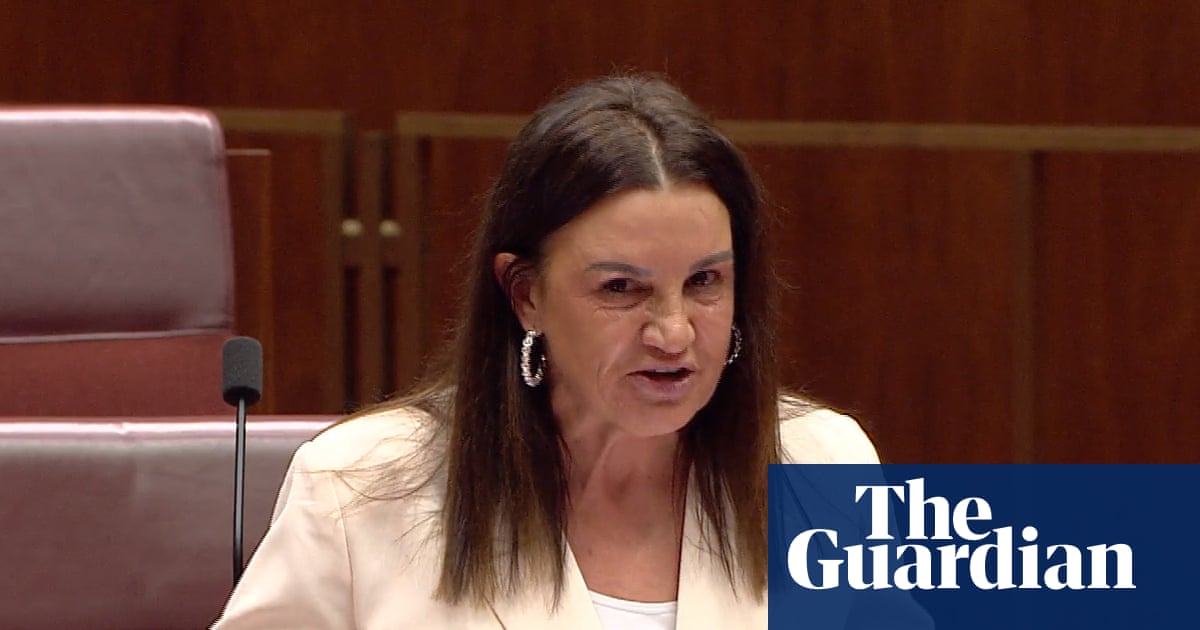
A significant political confrontation has emerged in the Australian Senate regarding the future of healthcare funding for military veterans. Independent Senator Jacqui Lambie delivered a forceful address condemning the Labor government’s proposal to implement a $5,000 annual cap on allied health services. The policy, scheduled to take effect in July 2027, represents a shift in how the Department of Veterans’ Affairs manages costs for non-medical practitioners such as physiotherapists and psychologists. Lambie argued that this financial limit demonstrates a lack of compassion for those who have served, urging Prime Minister Anthony Albanese to abandon the measure entirely.
To illustrate the practical consequences of the proposed cap, Lambie shared details of her own recent medical struggles. She disclosed suffering from a vaginal prolapse and subsequent bladder issues, conditions she attributes to back injuries sustained during her time in the army. According to Lambie, navigating the current system involves significant delays and uncertainty. She noted that without her personal financial resources, securing timely specialist care would have been nearly impossible due to the low reimbursement rates offered by the department.
The senator highlighted a broader systemic issue affecting female veterans who face similar health challenges. She referenced the case of another veteran who waited three years for treatment because few gynecologists were willing to accept the government’s payment structure. Lambie emphasized that accurate data on the prevalence of such conditions among women is limited, though health organizations estimate that half of women who have given birth experience some degree of prolapse. These conditions can also arise from menopause or physical strain, including the heavy lifting required in military roles.
Lambie questioned whether the defense force has adequately considered the physiological impacts of its training requirements on female personnel. She stated that she had previously asked the chief of the defense force about scientific evidence supporting the weight-bearing standards for women. According to her account, the response indicated that no such investigation had been conducted. This lack of inquiry, she argued, underscores a disconnect between policy makers and the physical realities faced by service members.
The political fallout from these revelations has placed intense pressure on Veterans’ Affairs Minister Matt Keogh. Earlier this week, Keogh declined an initial request to meet with veterans advocating against the cap. After facing public criticism, he agreed to a meeting, but attendees reported that he appeared dismissive and refused to shake hands. During parliamentary question time, Keogh acknowledged that declining the initial meeting was a mistake, though he denied characterizing his behavior as disrespectful.
Opposition parties have seized on the incident to demand accountability. The Coalition called for Keogh’s resignation, citing the minister’s handling of the situation as evidence of poor leadership. Despite the growing controversy, the government has not signaled any intention to reverse or modify the $5,000 cap. Officials maintain that veterans can apply for additional funding if their needs exceed the limit, but critics argue that the application process itself creates barriers to care.
Lambie’s speech also included a pointed comparison designed to highlight the severity of untreated injuries. She asked government leaders to consider how they would react if they suffered a comparable injury affecting their own bodies and were denied necessary treatment. By framing the issue in terms of personal bodily autonomy and health, she sought to humanize the statistical debate surrounding healthcare budgets. The emotional weight of her testimony has drawn attention to the gap between policy intent and patient experience.
As the debate continues, the focus remains on whether the government will adjust its stance before the policy’s implementation date. The incident underscores broader tensions within Australia’s political landscape regarding veteran welfare and resource allocation. While the Labor government defends the cap as a necessary measure for fiscal responsibility, opponents view it as an unacceptable reduction in support for those who have served. The coming months will likely see increased scrutiny of how these funds are managed and whether exceptions can be made for complex medical cases.
The controversy also raises questions about long-term data collection and preventive care within the military. If physical demands on female soldiers are not properly assessed, similar health issues may persist regardless of funding caps. Lambie’s disclosure has brought visibility to conditions that often go unreported or untreated due to stigma or logistical hurdles. Whether this leads to policy reform or merely political theater remains to be seen, but the immediate impact is a heightened awareness of the challenges facing female veterans in accessing adequate healthcare.
In the absence of a government commitment to scrap the cap, advocates continue to push for alternative solutions. The debate highlights the difficulty of balancing budgetary constraints with the moral obligation to care for veterans. As the July 2027 deadline approaches, stakeholders will be watching closely to see if political pressure forces a reconsideration of the current plan. For now, the disagreement stands as a stark reminder of the ongoing struggle to define what constitutes sufficient support for those who have served their country.
Sources behind this briefing
Go to the original reporting
- The Guardian World↗Impassioned Jacqui Lambie reveals health struggle as she condemns Labor’s ‘callous disregard for veterans’

