The short version
- Senate Republicans reelected John Thune as their leader despite losing their majority in the midterm elections.
- Several senators argued for delaying the vote to allow for deeper reflection on the party's strategic direction.
- The conference faces immediate pressure to pass spending bills and other priorities before power shifts.
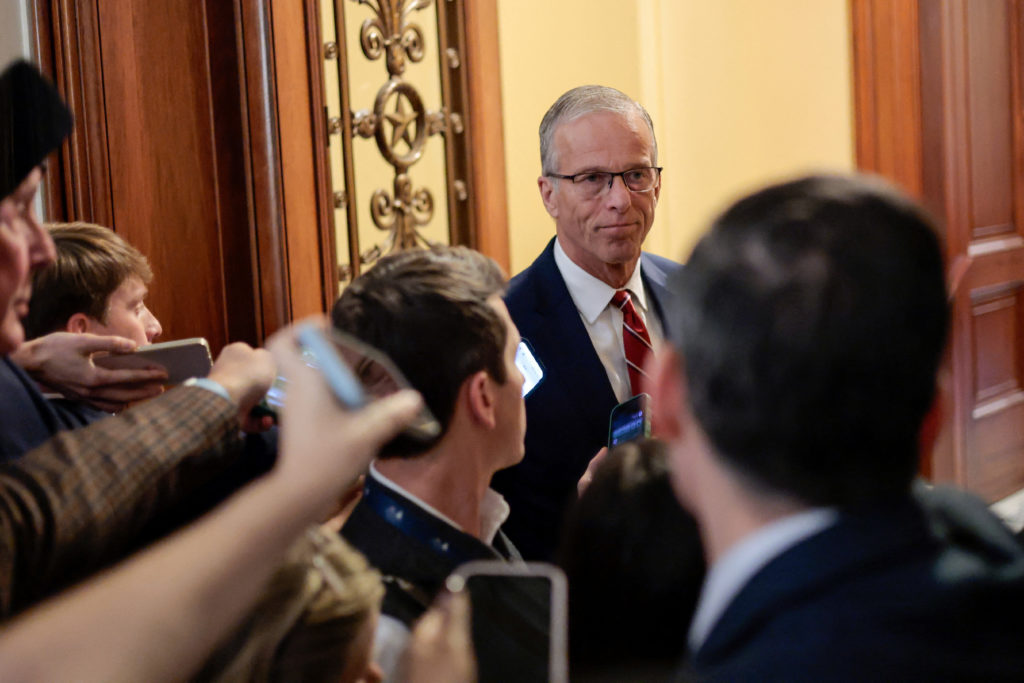
Senate Republicans have chosen to maintain continuity in their leadership structure, voting to keep South Dakota Senator John Thune as the head of the GOP conference. The decision came after a day marked by intense internal debate regarding the party’s performance in the recent midterm elections, which resulted in the loss of at least seven Senate seats and the end of their majority status. While Thune was widely expected to win the uncontested secret ballot vote due to his popularity among colleagues, the process revealed significant fractures within the caucus as members grappled with the magnitude of their electoral defeat.
The path to reconfirmation was not smooth, with several prominent senators pushing to postpone the leadership selection. Wisconsin Senator Ron Johnson circulated a letter urging a delay, arguing that the conference needed time for genuine introspection rather than rushing to ratify the existing hierarchy. Johnson ultimately walked out of the room as voting commenced, signaling his dissent. Missouri Senator Josh Hawley also voiced strong objections, suggesting that retaining the same leadership after such a severe loss sends the wrong message about accountability and strategic adjustment.
Hawley emphasized the need for a change in course, questioning the logic of maintaining the status quo when the party has suffered what he described as a wipeout. He characterized the open microphone session as frank and honest, noting that senators discussed their individual campaign experiences. However, Hawley remained unconvinced that proceeding immediately was the right move, implying that waiting might have encouraged alternative candidates to emerge or allowed for more thorough soul-searching regarding the party’s future direction.
Despite these calls for delay, a majority of the conference moved forward with the election. West Virginia Senator Jim Justice acknowledged the validity of arguments questioning why leadership should remain unchanged after such a poor showing. Yet, he also defended the current team, stating that they did not cause the electoral problems and have performed their duties well. This tension between accountability and stability defined much of the discussion, with senators balancing frustration over results against loyalty to colleagues who navigated a difficult political landscape.
Supporters of Thune highlighted his collaborative approach and ability to manage diverse viewpoints within the party. Oklahoma Senator Jim Lankford noted widespread support for Thune, contrasting his style with that of his predecessor, Mitch McConnell. Lankford argued that the leadership role is complex and unappealing to many, making it difficult to find a willing successor on short notice. He also pointed out that many new senators were already present for orientation, providing a practical reason to conclude the business promptly.
The immediate aftermath of the election focuses on legislative priorities before the transition of power. Florida Senator Rick Scott stressed the need for a concrete plan to advance the Republican agenda while they still hold influence. Senators are pushing Thune to keep the chamber in session around the clock to pass war spending measures and other key initiatives. This urgency underscores the practical significance of retaining familiar leadership during a critical period of negotiation and final legislative actions.
Thune’s tenure has been characterized by navigating relationships with President Donald Trump, who has often clashed with Senate Republicans on procedural matters. Thune resisted efforts to eliminate the filibuster for voting legislation, a stance that frustrated the president but maintained institutional norms. Despite these tensions, Trump hosted Thune at the White House recently and praised him as a fine man, leaving the leadership decision entirely to the Senate. This dynamic suggests that while external pressures exist, internal party cohesion remains the primary driver of leadership outcomes.
Two additional Senate races in Alaska and Mississippi remain uncalled, which could further reduce the Republican count. The uncertainty surrounding these final results adds another layer of complexity to the post-election landscape. As Republicans begin to reckon with their minority status, the focus shifts from electoral strategy to legislative maneuvering. The decision to keep Thune reflects a preference for stability during a period of significant political transition and institutional change.
The broader implications of this leadership choice will become clearer as the new Congress convenes. With no immediate challenger having emerged, the party appears committed to working within its current framework rather than pursuing a dramatic overhaul. This approach may help maintain unity among remaining members but could also invite criticism from those demanding more radical changes. The coming weeks will test whether Thune can effectively manage the conference’s expectations while navigating the constraints of minority status.
Ultimately, the vote represents a compromise between those seeking accountability and those prioritizing continuity. While some senators expressed deep dissatisfaction with the election results, the lack of viable alternatives and the desire for experienced leadership prevailed. The GOP now faces the challenge of defining its role in opposition, balancing ideological goals with practical legislative opportunities. The decisions made in these early days will likely shape the party’s trajectory for the remainder of the term.
Sources behind this briefing
Go to the original reporting
- PBS NewsHour↗Senate Republicans vote to keep Thune as leader after election wipeout


